



Fresh herbs can elevate a meal from good to great, but it’s a fine line. Too much, and you’ve lost the taste of your main ingredients. The secret isn't using less; it's using them smarter. Here’s how to do it.
Know Your Herbs: Delicate vs. Woody
The first step to balanced flavour is understanding
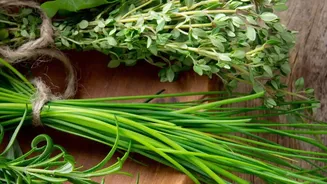
that not all herbs are created equal. They generally fall into two categories: delicate (or soft) and woody (or robust). Delicate herbs like basil, parsley, cilantro, dill, and mint have soft stems and tender leaves. Their flavours are bright but volatile and can be easily destroyed by heat. Woody herbs such as rosemary, thyme, oregano, and sage have tough, fibrous stems and more resilient leaves. Their flavours are potent, earthy, and can stand up to longer cooking times. Recognizing this difference is crucial for the next step: timing.
Timing Is Everything
The most common mistake that leads to overpowering flavour is adding herbs at the wrong time. For woody herbs, add them early in the cooking process. Tossing a sprig of rosemary or thyme into a stew or soup at the beginning allows its essential oils to slowly infuse the entire dish, creating a deep, aromatic base. You can add these herbs in the last 20 minutes of cooking for a solid flavour infusion. Delicate herbs are the opposite. Their fresh, nuanced flavours are their main asset, but they fade quickly with heat. To preserve their character, add soft herbs like parsley, basil, or cilantro during the final one or two minutes of cooking, or simply sprinkle them on top just before serving. This way, their bright notes act as a finishing touch, not a dominant force.
Master the Prep
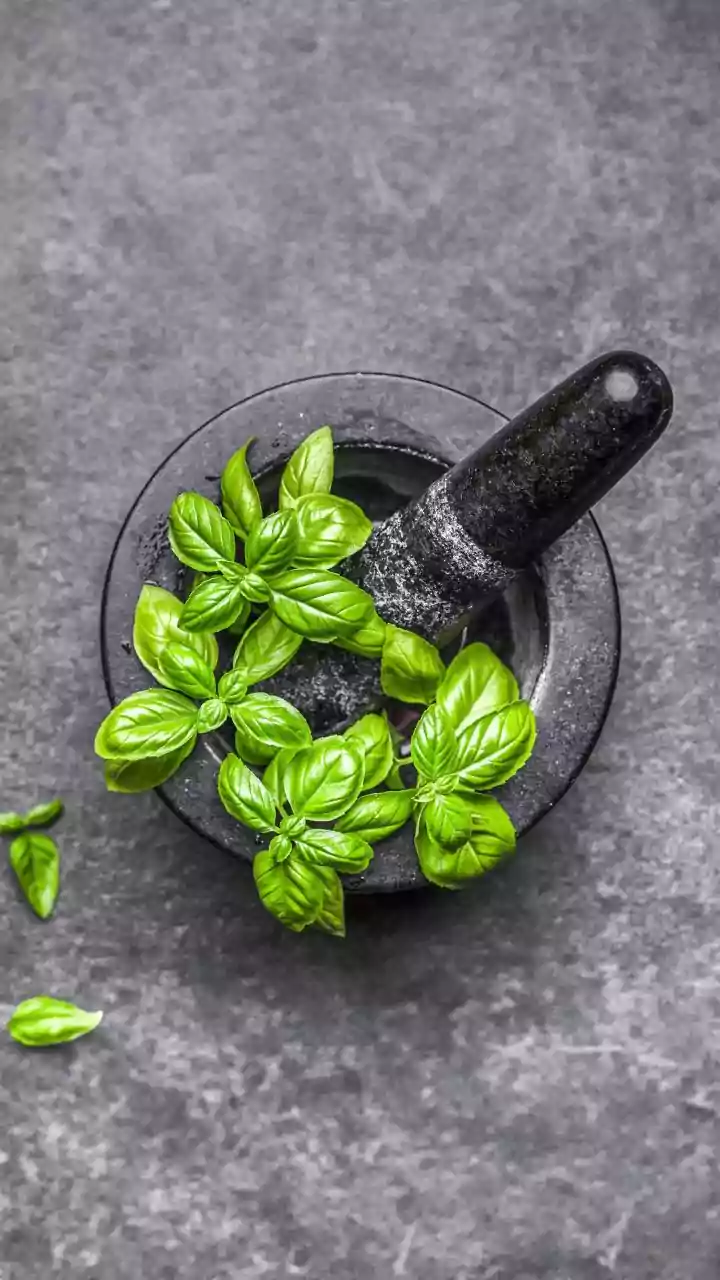
How you prepare an herb directly impacts how much flavour it releases. Finely mincing or chopping herbs breaks down their cell walls, releasing more essential oils and resulting in a stronger taste. This is great for making a bold pesto with basil, but might be too intense for a delicate fish dish. For a subtler touch, try roughly chopping or gently tearing leaves. This provides pockets of fresh flavour without overwhelming every bite. For robust herbs like rosemary, you can often add the entire sprig to a dish and remove it before serving, which infuses a gentler, more rounded flavour. Be careful not to over-chop delicate herbs, as this can bruise them and create a bitter taste.
Start Small and Layer Flavours
It’s always easier to add more than to take away. When trying a new combination, start with a small amount of herbs—less than the recipe calls for if you're unsure. Taste the dish as it cooks and adjust. This is especially important for potent herbs like rosemary and sage, where a little goes a long way. Instead of relying on a large quantity of a single herb, consider layering a few complementary ones. A classic 'bouquet garni' in French cooking often combines parsley, thyme, and a bay leaf to create a complex but balanced background aroma. Stick to one or two herbs per recipe unless you are confident they pair well together, as some flavours can clash.
Use Acidity to Create Balance
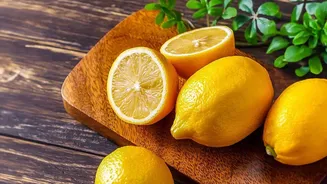
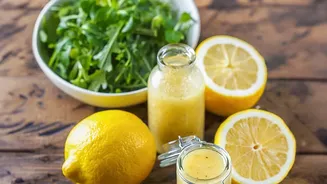
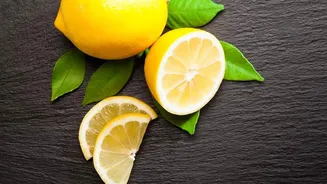
Sometimes, an herb's flavour can taste 'off' or one-dimensional on its own. An acidic ingredient can work wonders to balance and brighten the overall taste of a dish. A squeeze of lemon juice, a splash of vinegar, or the inclusion of tomatoes can cut through the richness and round out the herbal notes, making them feel more integrated and less aggressive. This is why you often see cilantro paired with lime in Mexican cuisine or basil with tomatoes in Italian dishes; the acid complements and mellows the herb's pungency.
Think Beyond the Pot
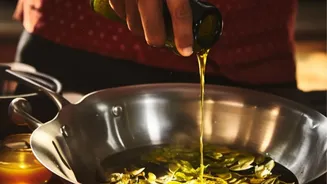
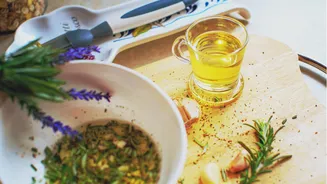
Herbs don't always need to be cooked into a dish to lend their flavour. Consider using them as a garnish to give the diner control and add a final burst of freshness. You can also create herb-infused oils or butters. Gently heating herbs like rosemary or thyme in oil and then straining them out creates a flavourful base for cooking that is much less overpowering than leaving the leaves in. Whipping chopped chives or parsley into softened butter creates a delicious compound butter that can be melted over steak or vegetables, adding flavour in a more controlled and elegant way.