







Embrace, Don't Fear, The Fruit
First things first: let's stop demonising mangoes. The king of fruits earned its title for a reason. Each delicious bite is packed with nutrients. Mangoes are a fantastic source of Vitamin C, which is crucial for immunity, and Vitamin A, essential for eye
health. They also provide folate, fibre, and a host of antioxidants that help protect your cells from damage. The problem isn't the mango itself, but how we consume it. The main concern for most people is its high sugar content and calorie count. A medium-sized mango can contain over 30 grams of sugar. So, the goal isn't to avoid them, but to eat them mindfully.
Rule 1: Portion Control is Everything
This is the single most important rule. It's easy to lose track and finish two or three mangoes in one sitting, but that's where the trouble starts. A sensible serving is about half a medium mango or one cup of sliced fruit. Think of it as a deliberate snack, not an endless buffet. If you're buying large varieties like Chaunsa or Langda, one-third of the fruit might be a more appropriate portion. Resisting the urge to have more can be tough, but treating it as a precious, portioned indulgence makes each bite more satisfying and keeps your daily sugar intake in check. This simple change prevents the blood sugar spikes that can lead to energy crashes and cravings later.
Rule 2: Timing Your Treat
When you eat your mango matters. Consuming it as a dessert right after a heavy meal is a common habit, but it's not ideal. Your body is already working hard to digest your main course, and adding a sugar-rich fruit on top can lead to bloating and poor digestion. Furthermore, eating mangoes late at night can interfere with your blood sugar levels while you sleep. The best time to enjoy a mango is as a mid-morning or mid-afternoon snack, between meals. This allows your body to digest the fruit efficiently and use its natural sugars for an energy boost when you might need it most.
Rule 3: Pair It Wisely
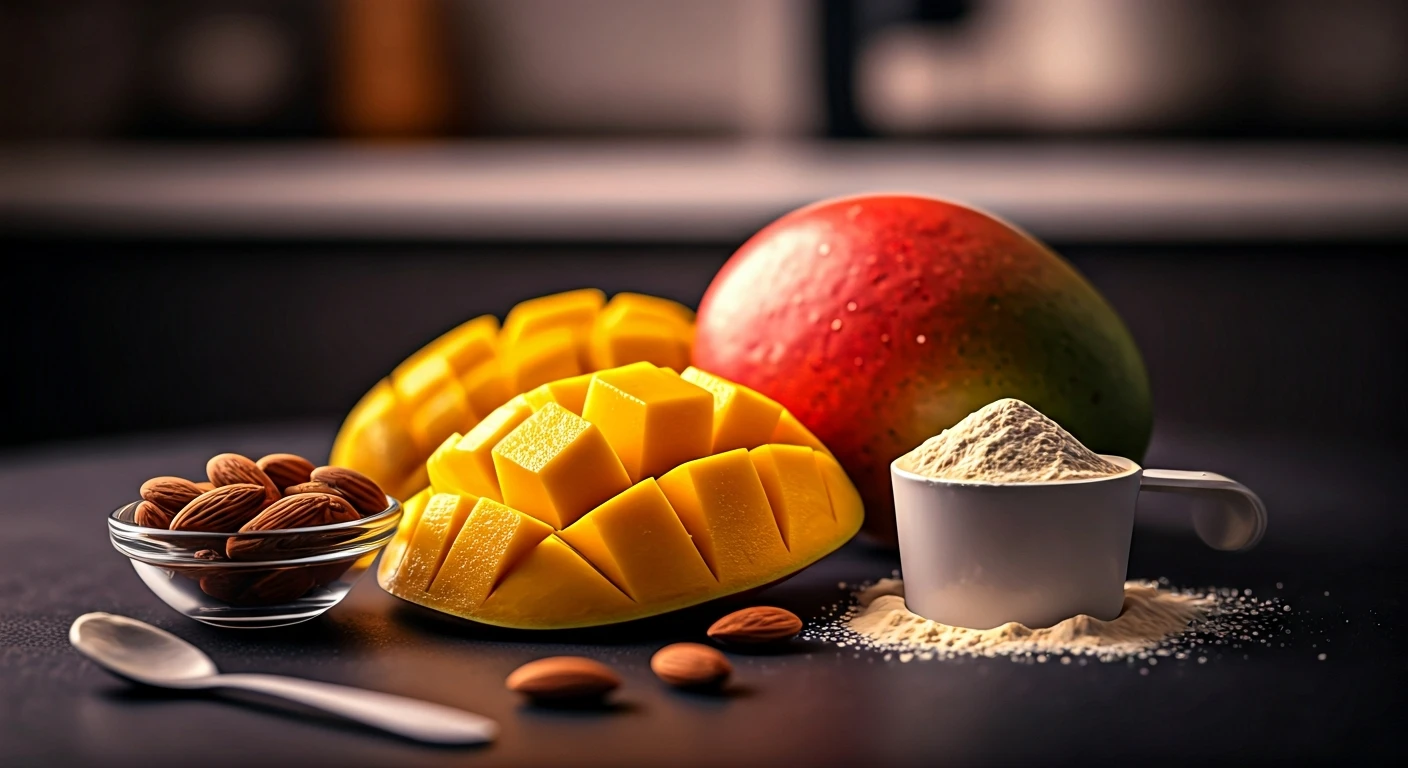
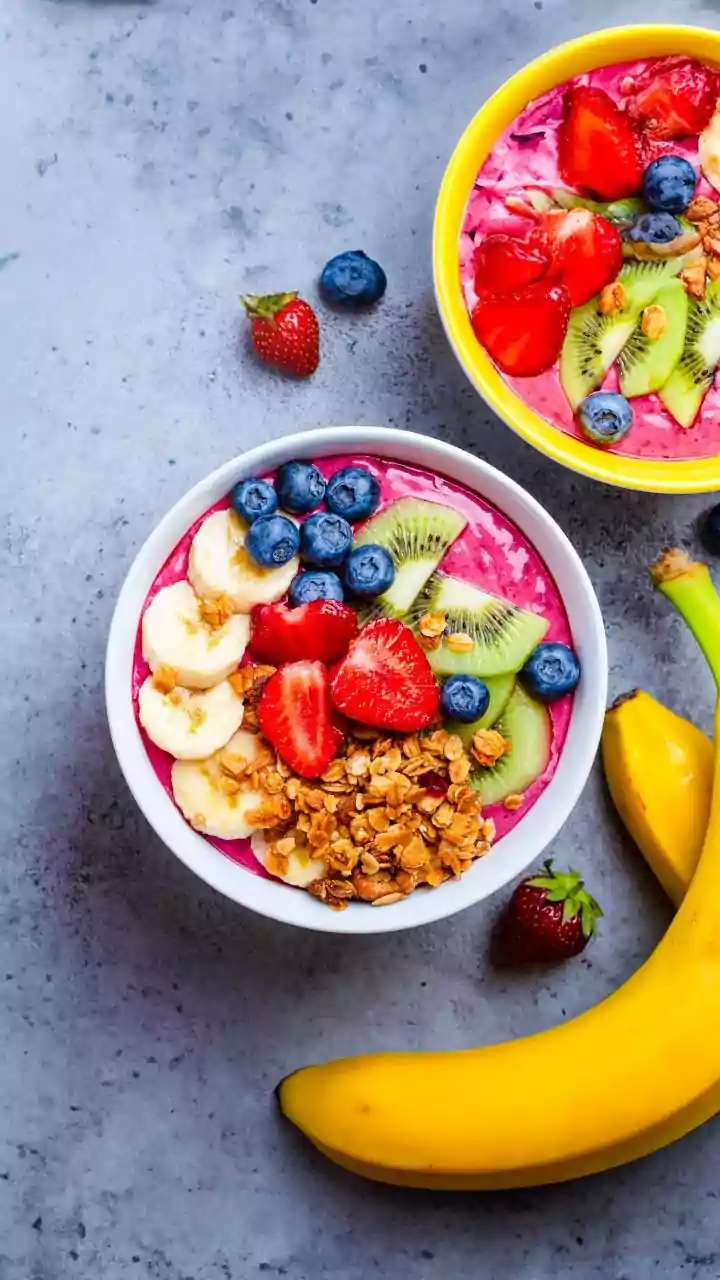
Eating a mango by itself can cause a rapid increase in blood sugar. To slow this down, pair it with a source of protein or healthy fat. This helps to stabilise blood sugar by slowing the absorption of fructose (fruit sugar). For instance, enjoy your sliced mangoes with a handful of nuts like almonds or walnuts. You can also add it to a bowl of plain Greek yoghurt, which provides both protein and probiotics. Another great option is to blend it into a smoothie with some chia seeds or flax seeds, which add fibre and healthy fats. This pairing strategy turns the fruit from a simple sugar rush into a more balanced and sustaining snack.
Rule 4: Listen to Traditional Wisdom
You've probably seen your grandparents soak mangoes in a bowl of water for a few hours before eating them. This isn't just an old wive's tale. Ayurvedic wisdom suggests this practice helps reduce the fruit's 'heating' properties (a concept known as 'taseer'). While the science on this is still developing, the practice has a clear benefit: it helps wash away phytic acid, an anti-nutrient found on the surface that can interfere with the absorption of minerals like iron and zinc. Soaking also cleans the fruit of any residual pesticides and dirt. It’s a simple, traditional step that makes your mango-eating experience cleaner and potentially more nutritious.
A Special Note for Diabetics
If you have diabetes, you don't necessarily have to give up mangoes entirely, but caution is paramount. The key is strict portion control and monitoring. Stick to a very small portion (perhaps a few slices) and always pair it with protein or fat as mentioned above. It's crucial to eat it when your blood sugar is stable and to avoid juices or milkshakes, which are concentrated sources of sugar without the beneficial fibre. Most importantly, consult your doctor or a registered dietitian. They can help you understand how to fit this seasonal treat into your diet plan safely, without compromising your health management.