

Your Balcony, A Mini-Sanctuary
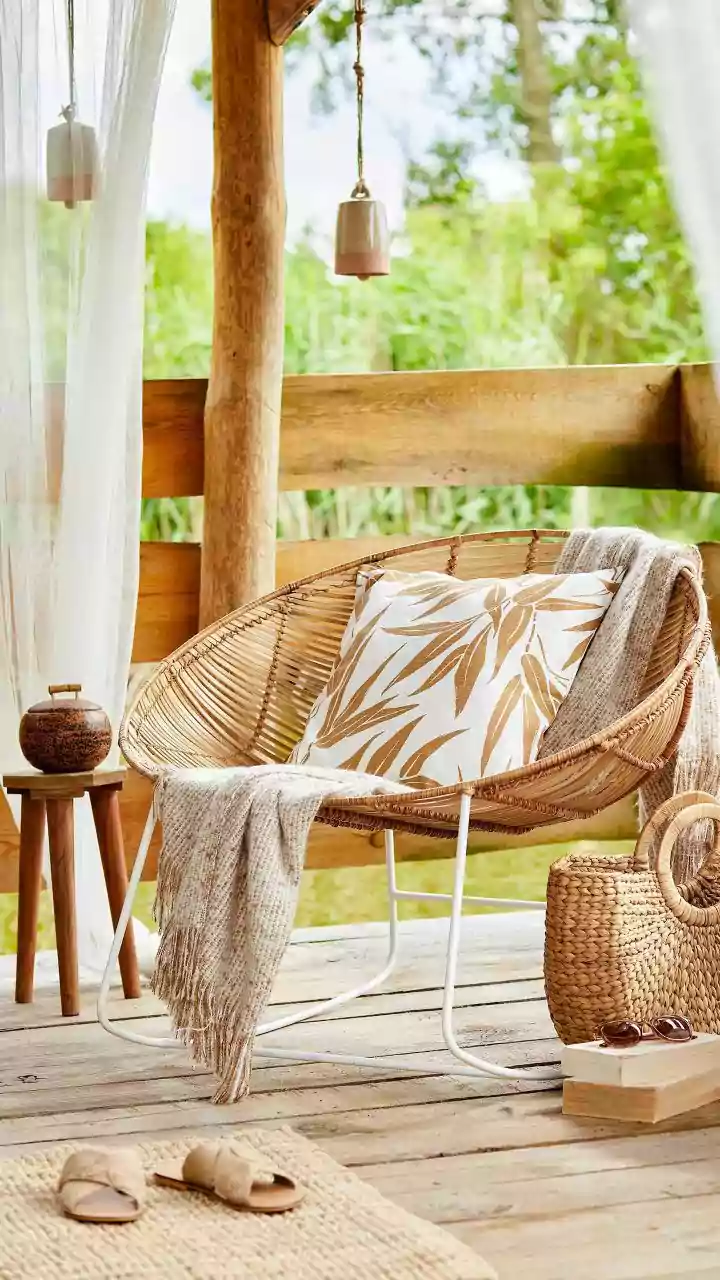
In the concrete landscape of our cities, green spaces are shrinking. However, your balcony can serve as a vital stepping stone for urban wildlife. A 'nature patch' isn't about creating a full-scale forest; it's about providing the three essentials for survival:
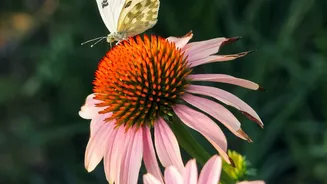
food, water, and shelter. By curating a small habitat, you support local biodiversity, offering a much-needed refuge for pollinators and small birds navigating the urban environment. This small act contributes to a larger ecological network, connecting fragmented habitats and helping essential species thrive. The reward is a front-row seat to nature's daily drama, from a sunbird sipping nectar to a bee diligently pollinating your flowers.
The Right Plants are Your Foundation
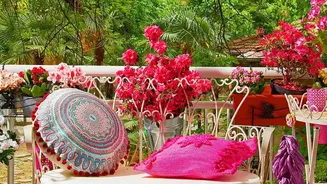
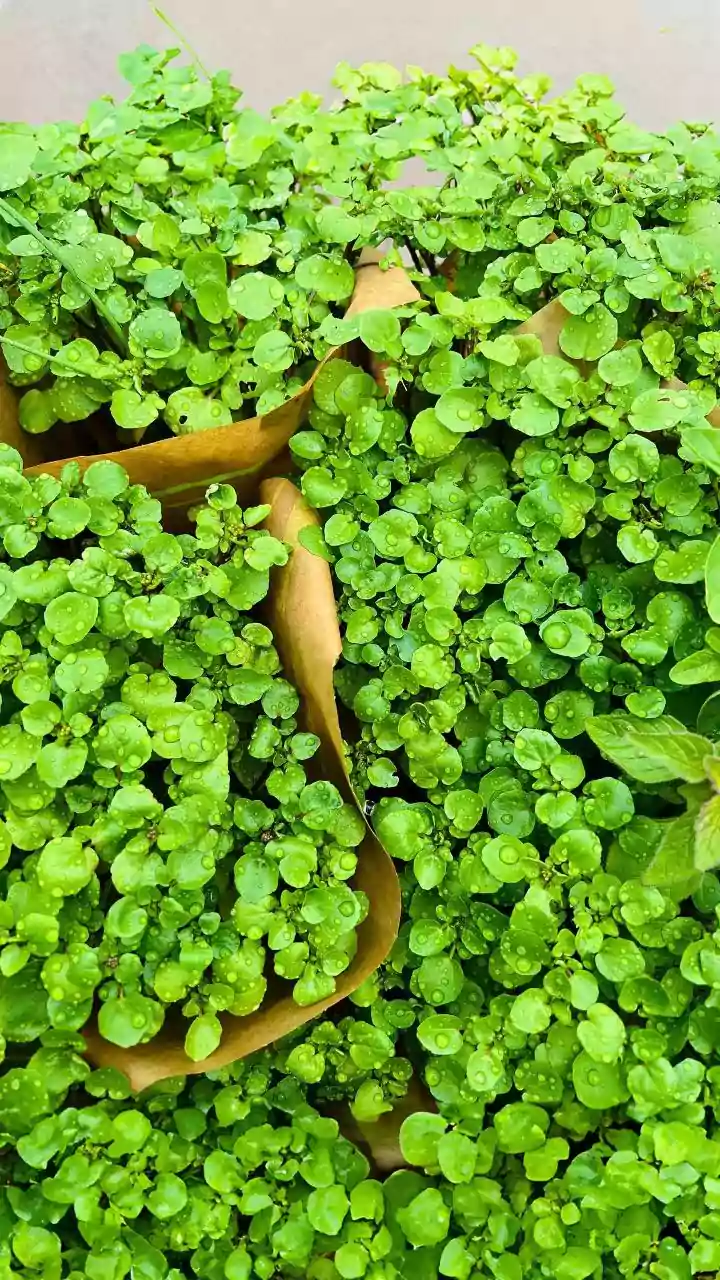
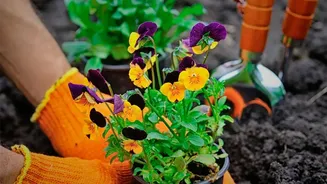
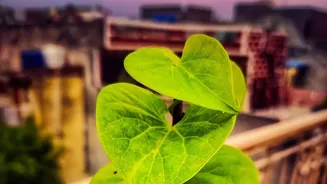
The heart of your nature patch is its plant life. The goal is to provide a consistent food source. Opt for a variety of native, nectar-rich flowering plants to attract birds and pollinators. In India, species like hibiscus, marigold, and ixora are excellent choices, offering bright, nectar-filled blooms that are irresistible to sunbirds and butterflies. Sunflowers are another fantastic option; their large heads produce abundant seeds for sparrows and finches after the flowers fade. Fragrant plants like jasmine also draw in nectar-seeking birds and insects. Consider layering your planting with a mix of small shrubs, climbers like the butterfly pea, and seasonal flowers to create a diverse and attractive buffet. Planting in clusters makes them more visible to passing wildlife.
Just Add Water: A Lifeline for Wildlife
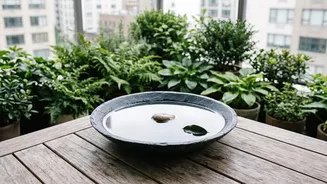
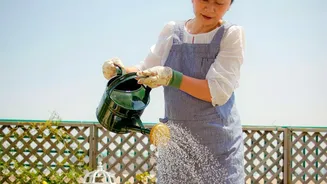
A reliable water source is perhaps the single most effective way to attract birds to your balcony. It doesn't need to be elaborate. A shallow ceramic dish, an old pan, or an upside-down bin lid can serve as a perfect birdbath. The ideal depth is shallow, just one to three inches, allowing birds to drink and bathe safely. Placing a few pebbles or a small branch in the water gives birds a safe perch and an escape route for any smaller creatures that might fall in. It's crucial to keep the water fresh and clean, changing it daily to prevent the spread of disease and stop mosquitoes from breeding. Position the bath in a spot that offers some shade and is close to plants, giving birds a safe place to retreat and preen.
Provide Shelter and Safe Spaces
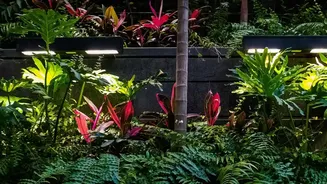
Wildlife needs places to hide, rest, and nest. Dense foliage from plants like bougainvillea can offer excellent cover and protection from predators. You can also create dedicated shelters. A simple 'bug hotel' can be made by bundling hollow bamboo canes or drilling holes in a block of wood and placing it in a sunny spot to attract solitary bees. Leaving a corner of a large pot with some dry leaves and twigs can provide refuge for ladybirds and other beneficial insects. Even small log piles or stacks of old terracotta pots can become desirable real estate for invertebrates. These nooks and crannies are essential for insects to shelter, breed, and hibernate, forming the base of a healthy balcony food web.
Go Organic for a Healthy Ecosystem
To create a truly safe haven, you must avoid chemical pesticides and herbicides. These products are indiscriminate, harming the beneficial insects and birds you're trying to attract. Instead, embrace organic pest control. A simple spray made from neem oil, liquid soap, and water is highly effective against common pests like aphids and whiteflies without harming pollinators. Companion planting is another powerful strategy; growing marigolds can help deter pests from your other plants naturally. If you notice pests, inspect your plants daily and act quickly with these gentle remedies. A healthy, poison-free environment is the only way to ensure your nature patch is a sanctuary, not a trap.