






The Dawn of a New Space Era
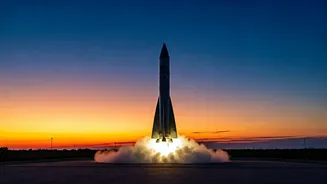
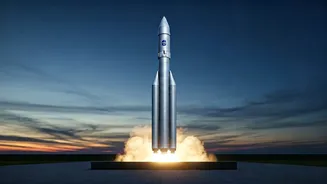
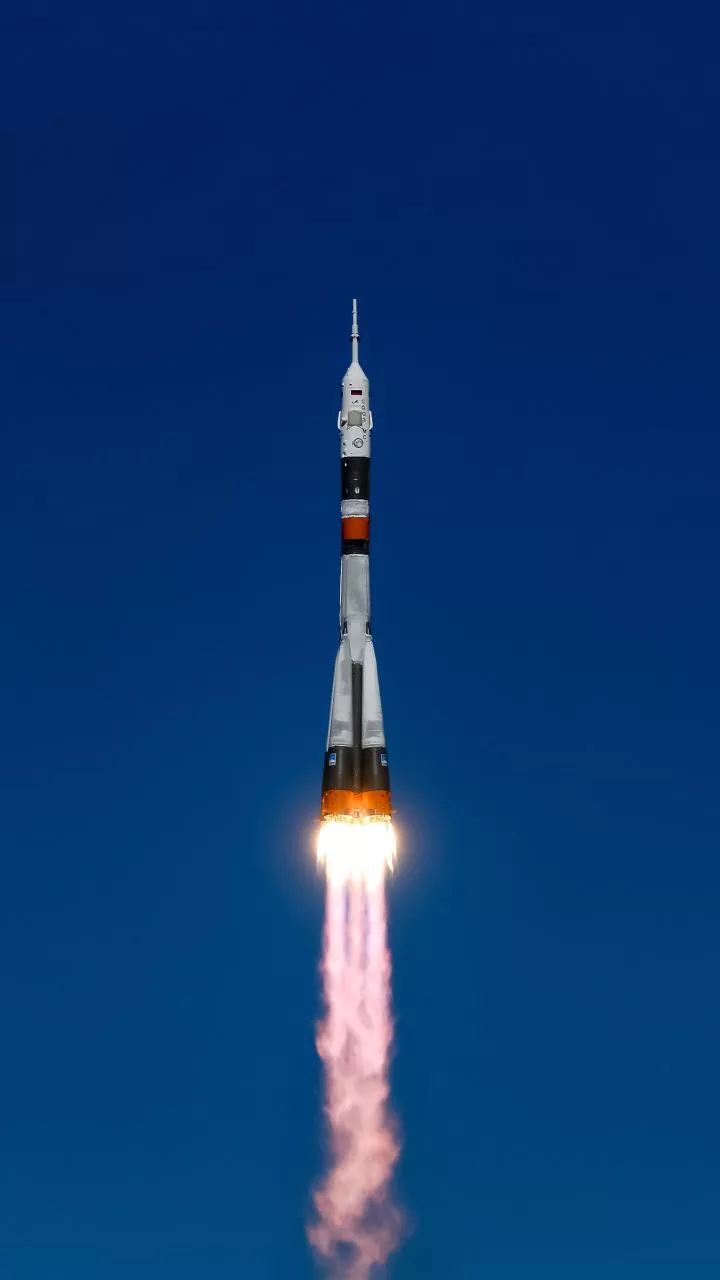
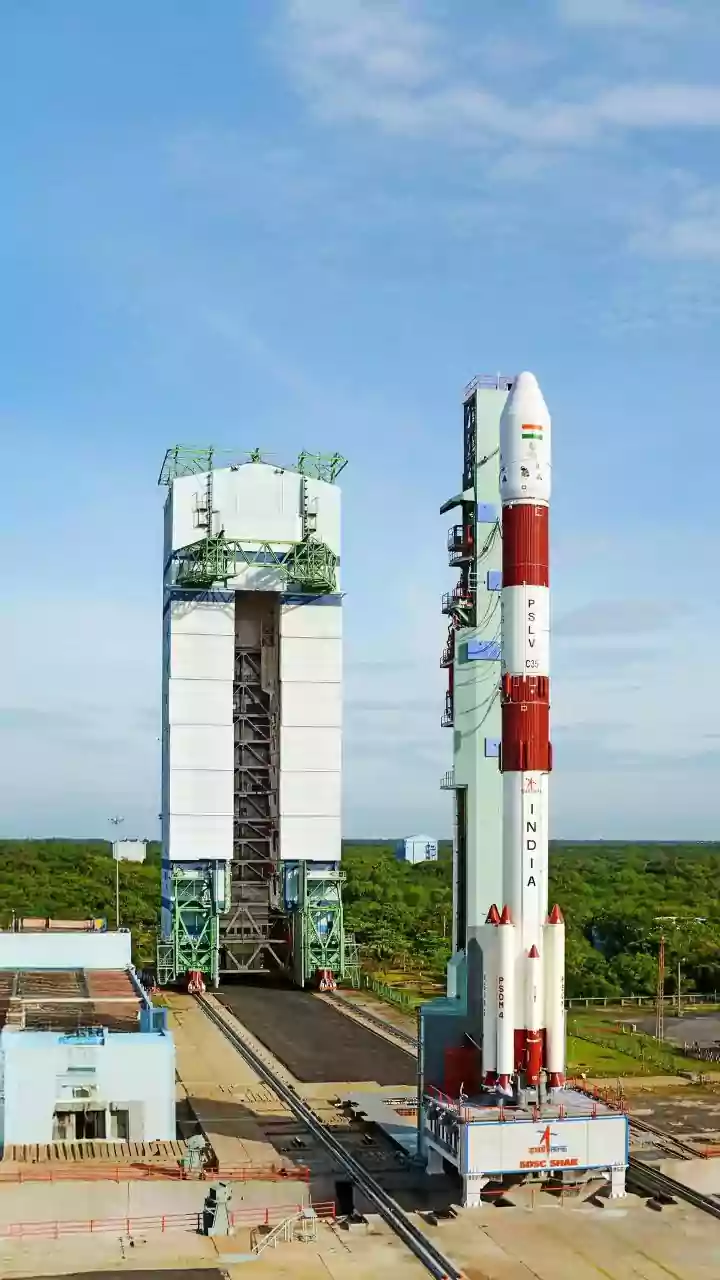
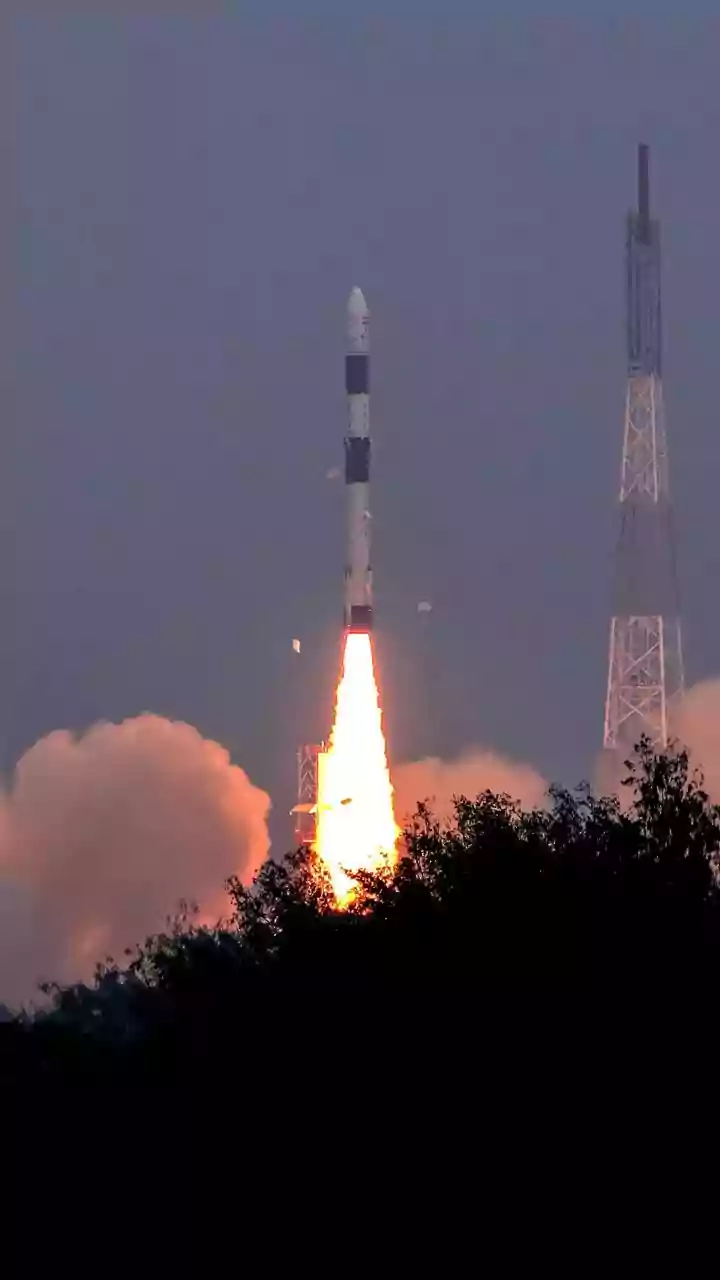
Sometime between July 12 and August 4, 2026, Skyroot Aerospace plans to launch its Vikram-1 rocket from the Satish Dhawan Space Centre in Sriharikota. This mission, named 'Aagaman' (Sanskrit for 'arrival'), isn't just another launch. It's poised to be the first-ever
orbital launch by a privately-owned and operated Indian company. While India's state-run ISRO is a world-renowned space power, this would mark the moment the nation's private sector truly joins the orbital space race, a feat only a handful of companies globally have achieved. This step signifies a massive milestone for the country's commercial space ambitions.
From Suborbital Hops to Orbital Speeds
The challenge is immense. In November 2022, Skyroot successfully launched Vikram-S, India's first privately built rocket, on a suborbital mission. That flight, called 'Prarambh' ('the beginning'), reached an altitude of about 89.5 kilometres before splashing down. An orbital launch, however, is a different beast entirely. It’s not just about going up; it’s about going sideways fast enough—roughly 28,000 kilometres per hour—to fall around the Earth continuously. Achieving this requires a more powerful, multi-stage rocket, flawless stage separations, and precision guidance systems—all of which Skyroot claims to have developed for Vikram-1.
Meet Vikram-1: India's Private Workhorse
The Vikram-1 is a seven-storey-tall, multi-stage launch vehicle named in honour of Dr. Vikram Sarabhai, the father of India's space program. Built using an advanced all-carbon composite structure to keep it light and strong, it’s powered by a combination of solid and liquid propulsion systems. Notably, it incorporates 3D-printed engines, a cutting-edge technique that speeds up manufacturing and reduces costs. The rocket is designed to carry small satellites, weighing up to 350 kg, into Low Earth Orbit, targeting a 450-km high orbit in its maiden flight. This upcoming mission will be partially commercial, carrying payloads for both Indian and international customers.
Why This Launch Matters for India
A successful mission by Skyroot would be a game-changer. It would signal the maturation of India's private space ecosystem, which the government opened up to private participation in 2020. This single event could unlock a torrent of investment and innovation, positioning India as a competitive hub for launching the thousands of small satellites planned for deployment in the coming years. It strongly aligns with national initiatives like 'Make in India' and 'Aatmanirbhar Bharat' (Self-reliant India). According to Skyroot's co-founder and CEO, Pawan Kumar Chandana, the moment Vikram-1 lifts off, India's private space industry will cross a threshold it has never crossed before.
The Bigger Picture: A New Global Player
Skyroot's efforts are part of a larger global trend where private companies like SpaceX and Rocket Lab have disrupted the launch market, dramatically lowering costs and increasing access to space. By developing its own orbital launch capability, India's private sector can compete for a slice of a global space economy projected to be worth trillions of dollars. For India, it’s not just about national pride; it’s about strategic capability. Having a domestic, private launch option ensures a resilient and responsive access to space, crucial for everything from communications and Earth observation to national security. India's space economy is projected to grow from about $8.4 billion to $44 billion by 2033, and this launch could be a significant catalyst.