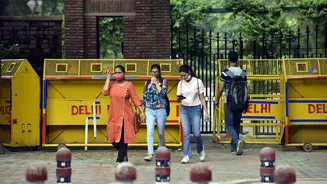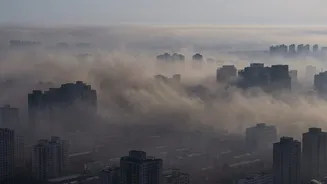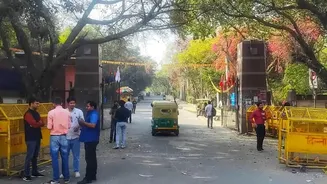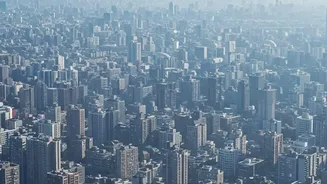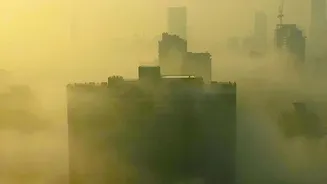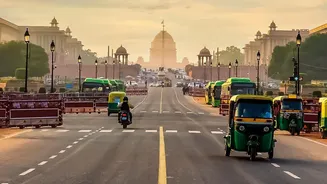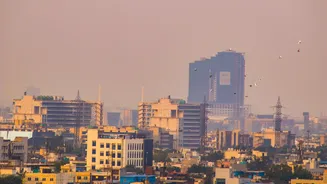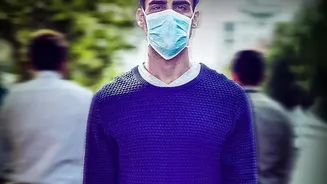






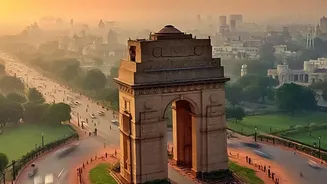

As a thick, grey smog settles over Delhi this winter, the city's air quality has once again plummeted. But beyond the alarming AQI numbers is a deeper, more personal crisis: the disproportionate and devastating impact on its most vulnerable people.
An Unequal Breath
As
of November 12, Delhi's Air Quality Index (AQI) was recorded in the 'very poor' category, with an overall reading of 323. This follows a post-Diwali spike where pollution levels entered the 'severe' category in many areas. These numbers are driven by a mix of factors including vehicular emissions, industrial output, and stubble burning from neighbouring states. The primary culprits are fine particulate matter, PM2.5 and PM10, microscopic particles that can penetrate deep into the lungs and enter the bloodstream. While everyone is at risk, the health burden is not shared equally. For children, the elderly, outdoor workers, and those with pre-existing health conditions, this toxic air is not just an inconvenience—it's a direct threat to their life and well-being.
The Youngest Lungs at Greatest Risk
Childhood is a critical window for lung development, and prolonged exposure to toxic air can cause irreversible damage. Experts warn that breathing polluted air can lead to suboptimal growth of the lungs in children, preventing them from ever reaching their full capacity. This increases their lifelong vulnerability to respiratory infections, asthma, and other chronic lung diseases. Studies have shown that children in Delhi suffer from a significantly higher prevalence of respiratory symptoms like sneezing and sore throats compared to those in rural areas. Research indicates that a staggering number of children in the city may already have irreversible lung damage due to poor air quality. These fine particles can also interfere with brain development and have been linked to lower IQ scores in school-age children.
The Elderly: A System Under Siege
For senior citizens, the danger is just as acute. Age-related declines in immune and lung function make them more susceptible to the harmful effects of air pollution. Pollutants can trigger or worsen chronic conditions like asthma, Chronic Obstructive Pulmonary Disease (COPD), and heart disease, which are more common in older adults. The constant inflammation caused by breathing in pollutants can damage blood vessels, increase blood pressure, and elevate the risk of heart attacks and strokes. Emerging research also points to a disturbing link between long-term exposure to air pollution and cognitive decline, including an increased risk of dementia and Alzheimer's disease.
No Choice But to Breathe Poison
While many residents can afford air purifiers and limit their time outdoors, Delhi's vast population of outdoor workers has no such luxury. Construction workers, street vendors, delivery personnel, and auto-rickshaw drivers are on the front lines of this crisis, spending their days enveloped in toxic air. Studies have found that these workers report a high incidence of health issues, including headaches, eye irritation, and respiratory problems. Lung function tests revealed that a significant percentage of sweepers (39%), auto drivers (33%), and street vendors (27%) had restricted lung function. This constant exposure not only damages their health but also leads to a drop in productivity and loss of income due to illness, creating a vicious cycle of poverty and poor health.