





The New Nightly Ritual
Forget simply brushing your teeth and falling into bed. For a growing number of young people, the “wind-down routine” has become a meticulously choreographed event. Scroll through TikTok or Instagram, and you’ll find a flood of content under hashtags
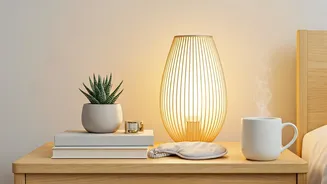
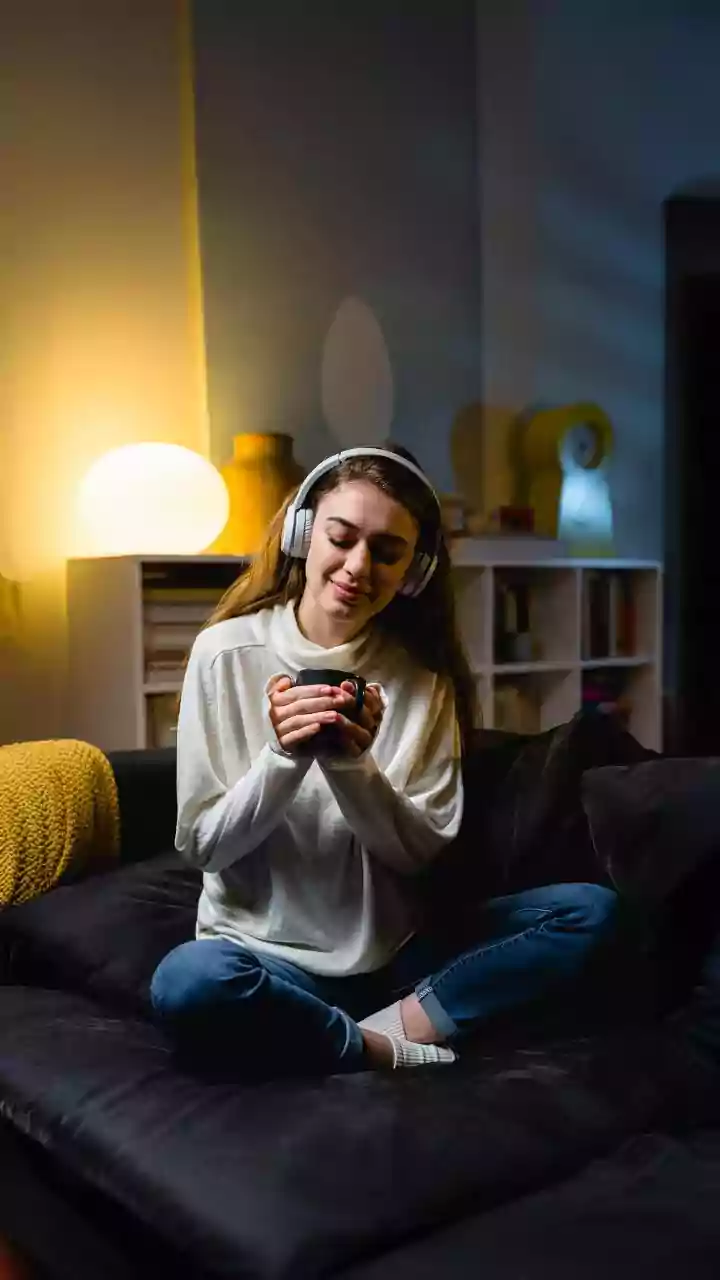
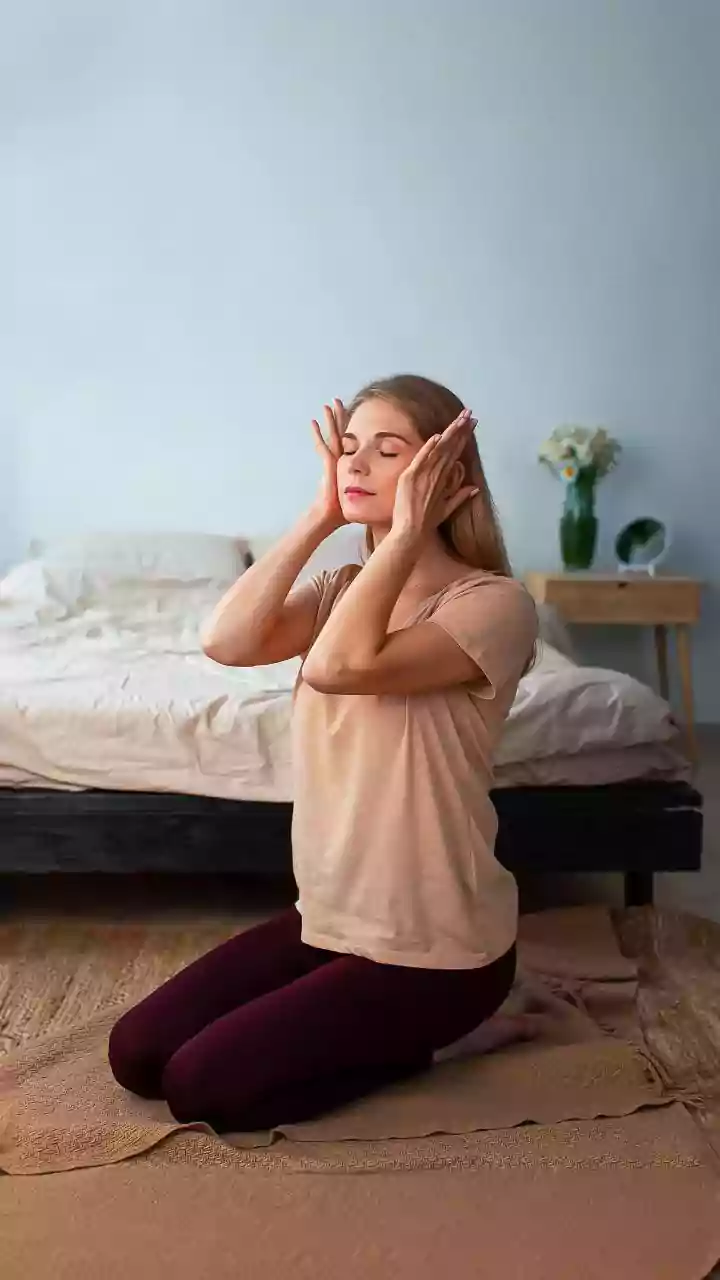
like #sleeproutine and #winddownwithme. These short videos showcase a new ideal of bedtime: one that is serene, intentional, and, above all, aesthetically pleasing. The scene is often set with warm, ambient lighting from a sunset lamp, calming lo-fi music, and a distinct lack of blue light from phone screens (at least, after the camera stops rolling). The routine itself is a multi-step process involving elaborate skincare regimens, journaling in a chic notebook, and slipping into matching silk pyjama sets. It’s less about the biological necessity of sleep and more about crafting a personal sanctuary away from the chaos of the digital world.
Beyond the ‘Sleepy Girl Mocktail’
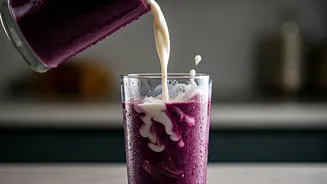
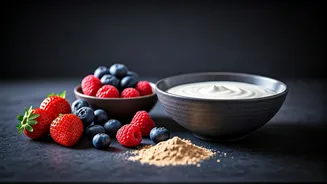
At the heart of this trend is a collection of viral products and wellness hacks. The most famous is the “sleepy girl mocktail,” a fizzy concoction of tart cherry juice, magnesium powder, and sparkling water that promises a deeper, more restful slumber. Its popularity skyrocketed on TikTok, with users swearing by its calming effects. But the aesthetic goes far beyond a single drink. It’s a carefully curated ecosystem of consumer goods. Think weighted blankets to soothe anxiety, expensive pillow sprays with lavender and chamomile, high-end candles with names like “Dusk” or “Snooze,” and sound machines that play gentle rain sounds. This has created a booming market for “sleep-care,” where brands sell not just products, but the promise of a perfect night’s rest. It transforms the bedroom into a wellness spa, where every item is chosen for its function and its visual appeal.
A Response to Burnout Culture?
So, what’s driving this obsession with perfecting sleep? For many, it’s a direct response to the pressures of modern life. Gen Z, a generation reporting high levels of anxiety and stress, is often described as living in an “always-on” culture. The aesthetic sleep routine can be seen as an attempt to reclaim control and carve out a moment of peace. In a world of constant notifications and digital noise, creating a structured, phone-free ritual before bed is a powerful act of self-preservation. It’s a way to signal to both mind and body that the day is officially over. This focus on rest marks a significant departure from the “rise and grind” hustle culture that dominated the previous decade. Instead of celebrating sleep deprivation as a badge of honour, this trend champions rest as a crucial pillar of well-being and productivity.
The Performance of Rest
However, there’s a complex layer to this trend: the performance of it all. When a personal wellness routine is designed to be filmed and shared, does it lose some of its authenticity? Critics argue that the aesthetic sleep routine can become another form of social media pressure. It sets an impossibly high bar for relaxation, suggesting that if your wind-down doesn’t look like a scene from a luxury hotel ad, you’re doing it wrong. This can turn self-care into another chore on the to-do list, creating a cycle of comparison and inadequacy. The pressure to have the right products, the right lighting, and the right pyjamas can ironically add to the stress that the routine is meant to alleviate. It raises the question: are these routines truly for personal well-being, or are they for public consumption?