




More Barrels on the Market
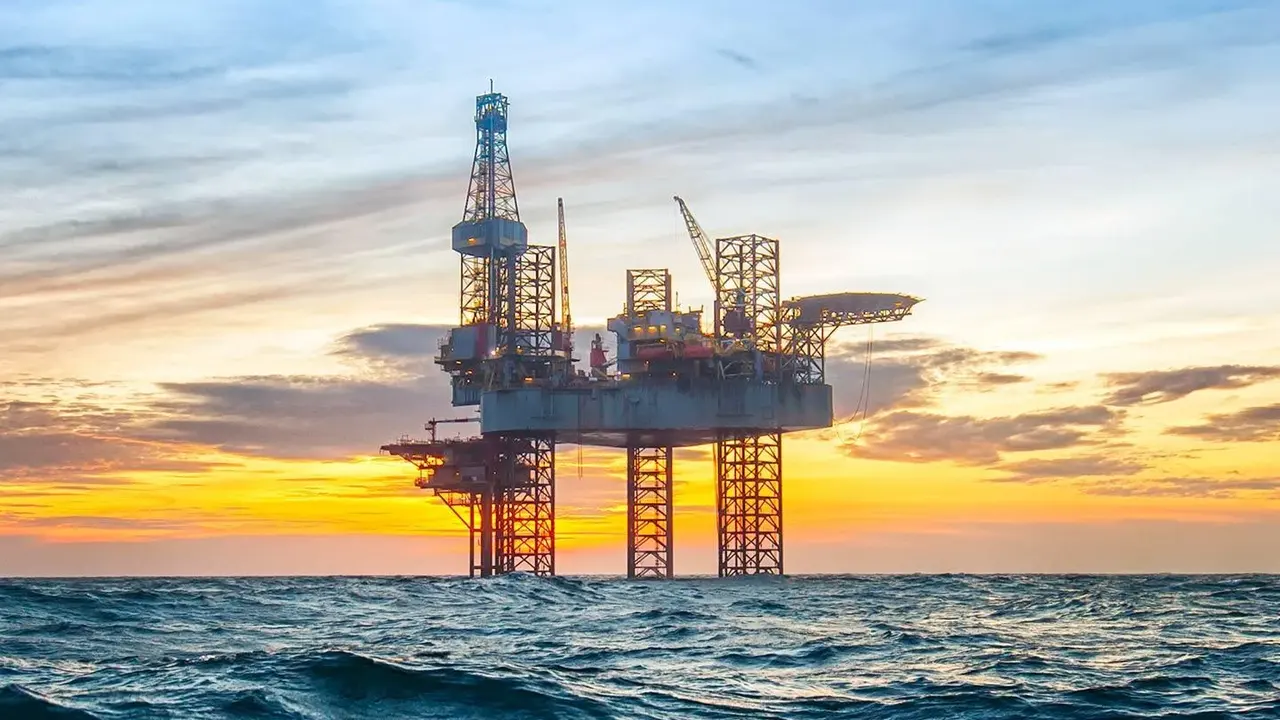
Recently, there has been some movement on the supply side of the global oil equation. In a virtual meeting on August 2, 2026, seven key OPEC+ member countries, including Saudi Arabia and Russia, agreed to increase their production targets. For September,
this means an additional 188,000 barrels per day (bpd) will be added to the market, completing a phased rollback of earlier production cuts. On the surface, this is the classic economic formula for lower prices: when supply goes up, prices should come down. However, the world of oil is far more complex than this simple rule suggests.
The Journey from Crude to Petrol
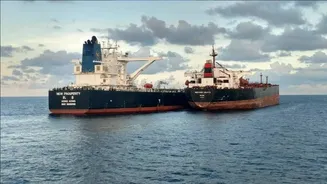
Crude oil, the raw material, is only the first ingredient in the final price of petrol. After being extracted, this crude oil is sold on the international market, predominantly in US dollars. For an import-dependent country like India, which sources over 85% of its crude from abroad, this is a crucial step. The price paid is not just the headline crude price but is also heavily influenced by the USD-INR exchange rate. A weaker rupee means more rupees are needed to buy the same dollar-denominated barrel of oil, adding to the cost before the oil even begins its journey to India. Added to this are freight charges and insurance, which can fluctuate based on geopolitical stability and shipping lane security.
The Refining Bottleneck
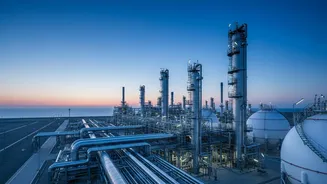
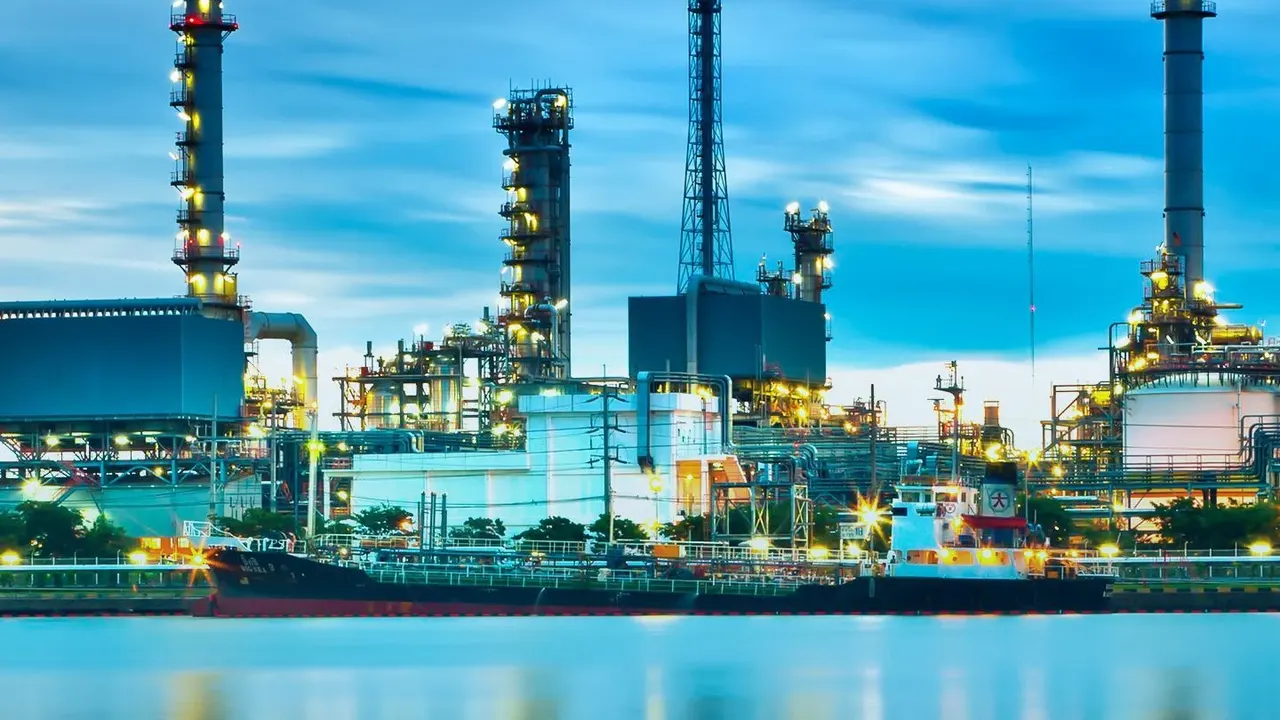
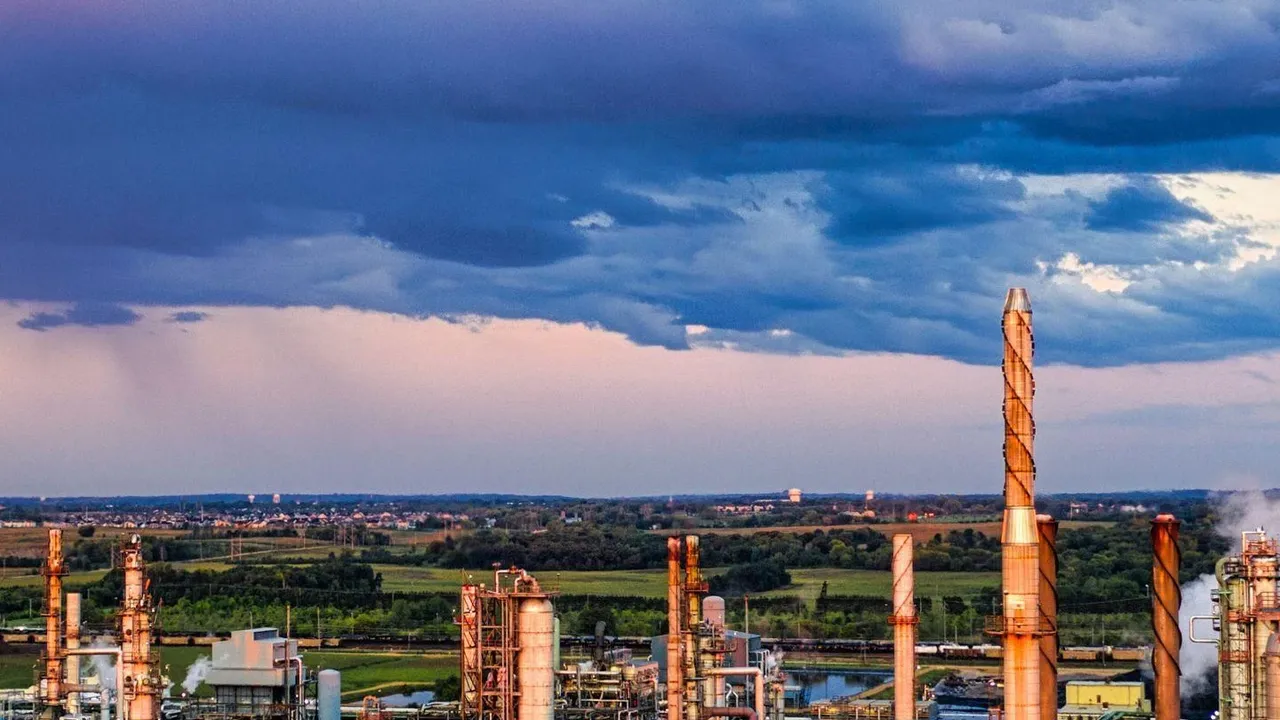
Once crude oil lands in India, it cannot be pumped directly into cars. It must be refined into petrol, diesel, and other petroleum products. This is where a major, often overlooked, factor comes into play: refining capacity. Even if crude oil is cheap and plentiful, a lack of sufficient refining capacity can create a bottleneck, keeping the supply of finished petrol tight and prices high. Major global players like ExxonMobil and Chevron have recently warned that a critical shortage in global refining capacity is causing fuel prices to remain stubbornly high, even when crude prices fall. This disconnect means that refining margins—the profit made by turning crude into finished products—can be exceptionally high, adding another layer to the final retail cost.
Taxes: The Largest Slice of the Pie
Perhaps the most significant factor for Indian consumers is the tax component. In India, taxes levied by both the Central and state governments make up a substantial portion of the retail price of petrol and diesel. These fuels are currently kept outside the Goods and Services Tax (GST) regime, meaning they are subject to Central Excise Duty and state-level Value Added Tax (VAT). The Centre charges an excise duty of ₹19.90 per litre on petrol. On top of this, each state levies its own VAT, which varies significantly across the country. This is why petrol prices differ from one state to another. Combined, these taxes can account for a massive portion of the price you pay at the pump, often insulating retail prices from swings in the global crude market.
Global Jitters and Local Factors
The final price is also influenced by a host of other elements. Geopolitical tensions, such as conflicts in the Middle East or Eastern Europe, can disrupt supply chains and increase insurance costs for oil tankers, adding a risk premium to the price. Domestically, the cost of blending ethanol into petrol, along with marketing and distribution costs incurred by oil marketing companies, also adds up. The Indian government has pointed out that a range of factors, including freight costs, refining expenses, and exchange rates, all contribute to the final price, not just the cost of crude. Therefore, a drop in crude prices alone is rarely enough to trigger an immediate and proportional cut at the pump.