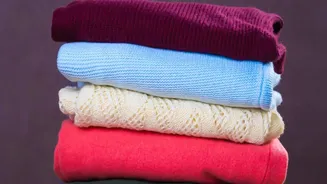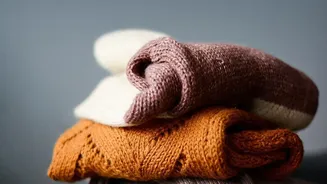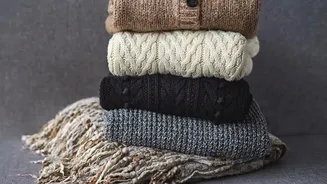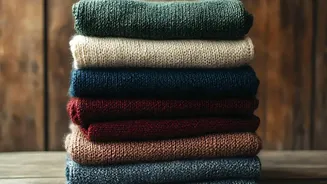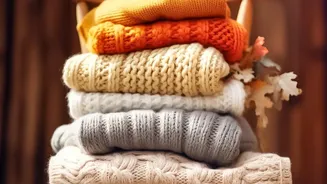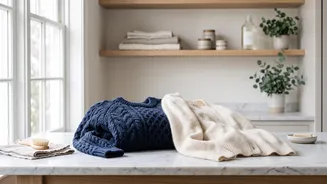




Your favourite woollen sweater is more than just a piece of clothing; it's a warm embrace on a chilly day. But the fear of shrinking it to a doll's size can be real. Proper care is the secret to keeping your woollens soft, vibrant, and perfectly shaped.
Why Gentle Care Is Non-Negotiable
Wool fibres are not just strands; they have a complex, scaled structure. When exposed to the triple threat of heat, excessive moisture, and aggressive friction, these scales lock together in a process called felting. This is what causes irreversible shrinking and stiffness. The primary benefit of gentle washing and drying is preservation. By avoiding harsh conditions, you maintain the natural softness and shape of your garments. Properly cared-for wool can last for decades, making your initial investment worthwhile. Furthermore, wool has natural antimicrobial and odour-resistant properties, meaning it doesn't need to be washed after every single wear. Simply airing it out is often enough, reducing wear and tear.
Before You Wash: The Prep Work
Success begins before the garment even touches water. First and foremost, always read the care label. It is your single most important guide. If it says 'Dry Clean Only', trust it. For washable wools, separate them from heavier items like jeans that can cause excessive friction. Turn your woollens inside out to protect the outer surface from pilling. The most crucial choice you'll make is your detergent. Standard laundry detergents are too alkaline and contain enzymes that can break down wool's protein fibres, leading to damage. Opt for a pH-neutral, wool-specific wash. Brands like Eucalan, Woolite, and Soak are formulated to clean gently while conditioning the fibres.
The Hand-Washing Method: Gold Standard Care
Hand-washing is the safest method for most woollens, especially delicate or hand-knitted items. Fill a basin or clean sink with cool or lukewarm water, never hot. Water temperatures should stay below 30°C to prevent shock to the fibres. Add your wool detergent and mix it in before submerging the garment. Let it soak for about 10-15 minutes, gently squeezing the soapy water through the fabric. Avoid any vigorous rubbing or wringing, which causes felting. To rinse, drain the soapy water and refill the basin with fresh, cool water of the same temperature. Gently press the water through the garment until no suds remain. Using a no-rinse formula like Eucalan can simplify this step and reduce handling.
Can You Machine Wash Wool? Yes, Carefully
Many modern wool garments are treated to be machinewashable. However, this requires using the correct settings. Always select the 'wool', 'delicate', or 'hand wash' cycle on your machine. These cycles use minimal agitation and a low spin speed to mimic the gentle nature of handwashing. Always use cold water. For extra protection, place your wool items in a mesh laundry bag to prevent snagging and reduce friction. Don't overload the machine; giving the garments space to move freely in the water is key to a gentle clean. Remember, even if the label says machinewashable, a gentle cycle is not a suggestion—it's a rule.
The Crucial Final Step: Proper Drying
How you dry your woollens is just as important as how you wash them. Never, ever put wool in a highheat tumble dryer, as the combination of heat and friction is a guaranteed recipe for shrinkage. Also, never hang a wet wool garment. The weight of the water will stretch the fibres, permanently distorting its shape. The correct method is to lay the item flat to dry. First, gently remove excess water by placing the sweater on a clean, thick towel. Roll the towel and sweater together, pressing gently to absorb moisture. Then, unroll it and lay the garment flat on a fresh, dry towel or a mesh drying rack. Reshape the sweater to its original dimensions, smoothing out any wrinkles. Allow it to air dry completely, away from direct sunlight or heat, flipping it over occasionally to ensure it dries evenly.