





First, Identify Your Foe
Mealybugs are small, oval, soft-bodied insects that cover themselves and their eggs in a white, waxy, cottony substance for protection. You'll typically find these pests clustered in protected areas, such as where leaves join the stems, along leaf veins,
and on new growth. They feed by sucking sap from the plant, which can lead to yellowing leaves, stunted growth, and even leaf drop. They also excrete a sticky substance called honeydew, which can lead to the growth of sooty mould.
Why Gentle and Organic Matters
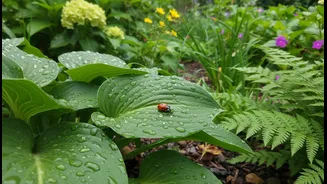
Choosing non-toxic, organic solutions is especially important for plants on a balcony, which is part of your home's immediate living space. Harsh chemical pesticides can pose risks to you, your family, and your pets. Organic methods are targeted and break down quickly, posing less risk to beneficial insects like bees and ladybugs that might visit your balcony garden. Gentle solutions also protect your plants from the chemical burns and stress that aggressive treatments can cause.
Weapon 1: Simple Organic Soap Spray
An effective first line of defence is a simple insecticidal soap spray. It works by breaking down the mealybugs' protective waxy coating and suffocating them. It's crucial to use a true soap, not a synthetic detergent like many dish soaps, which can harm your plants. Pure castile soap is an excellent choice. To make the spray, mix about one tablespoon of liquid castile soap into one litre of water. Pour it into a spray bottle and shake well. This solution is a contact killer, meaning it must coat the insects to be effective.
The Ultimate Solution: A Precise Neem Oil Ratio
For a more powerful and lasting effect, neem oil is your best ally. Derived from the neem tree, this oil is a natural pesticide that works in multiple ways: it suffocates pests on contact, disrupts their hormonal systems to prevent growth and reproduction, and acts as an anti-feedant. To create an effective spray, you need an emulsifier to help the oil mix with water. The castile soap from the first recipe serves this purpose perfectly. For a one-litre batch, combine one litre of warm water with one to two teaspoons of neem oil and about half a teaspoon of liquid castile soap. Shake vigorously before and during application to keep the mixture emulsified.
The Right Way to Apply Treatment
Application is just as important as the recipe. Before spraying the entire plant, always test your solution on a small, inconspicuous leaf and wait 24 hours to ensure there's no damage. The best time to spray is in the early morning or late evening, as applying oils in direct, hot sun can scorch the leaves. Thoroughly coat all surfaces of the plant, paying close attention to the undersides of leaves and the joints where stems meet, as this is where mealybugs love to hide. Don't be shy; the leaves should be dripping wet.
Persistence Is Key: Your Treatment Schedule
A single spray is rarely enough to solve a mealybug problem. The waxy coating can protect some adults, and unhatched eggs will soon produce a new generation of pests. You need to break their life cycle. Reapply your chosen spray every five to seven days for at least two to three weeks. This persistent approach ensures you eliminate the newly hatched crawlers before they have a chance to mature and reproduce. Continue treatment until you see no signs of mealybugs for several weeks.