



Beyond the Bag: The Fresh Food Difference
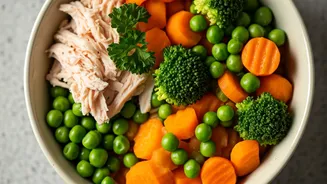
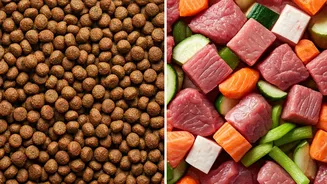
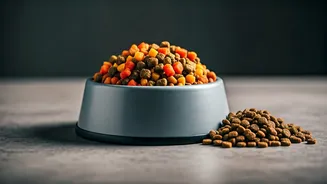
For decades, dry kibble has been the convenient go-to for dog owners. However, the high-heat processing used to create these pellets can reduce the nutritional value of the ingredients. Fresh food diets, on the other hand, are typically minimally processed
or gently cooked to preserve the integrity of the nutrients. This means that the vitamins, minerals, and proteins from real ingredients like meats and vegetables are more readily available for your dog's body to use, a concept known as bioavailability. Many veterinarians are recommending fresh, gently cooked food, especially for dogs with specific health concerns.
The Customisation Advantage
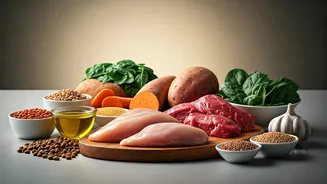
One of the most significant benefits of a fresh meal plan is the ability to customise it. Every dog is unique, with different needs based on their breed, age, activity level, and health status. A custom routine allows you to control every ingredient, which is a game-changer for dogs with food allergies or intolerances. Common allergens for dogs often include proteins like beef and chicken, as well as dairy and wheat. By preparing meals yourself or using a custom service, you can easily eliminate problematic ingredients and introduce novel proteins that don't trigger a reaction.
Visible Health Benefits
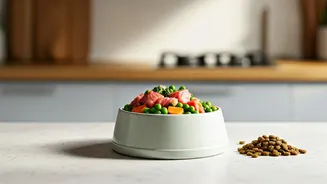
Pet parents who switch to fresh diets often report seeing tangible improvements in their dog's health. Better nutrient absorption and quality ingredients, including essential fatty acids, frequently lead to a shinier coat and healthier skin. Many owners also notice an increase in their dog's energy levels and excitement for mealtimes. Furthermore, the higher moisture content in fresh food helps support hydration, which is vital for kidney function and overall health. Research has even suggested that dogs fed fresh food can experience improved long-term health and a longer lifespan.
Improved Digestion and Weight Management
Digestive health is a cornerstone of overall wellness. The high digestibility of fresh food means a dog’s system doesn't have to work as hard, and it can absorb more nutrients. This often results in smaller, firmer stools—a clear indicator of a healthy gut. For dogs with sensitive stomachs, a fresh diet with simple, recognizable ingredients can be transformative. A custom routine also makes weight management more straightforward. You have precise control over calories and portions, helping overweight dogs slim down or underweight dogs gain healthily, all without the empty fillers found in some commercial foods.
Getting Started Safely
The idea of creating a custom meal plan can seem daunting, but it doesn't have to be. The most crucial first step is to consult with your veterinarian. They can help you determine if a fresh diet is right for your dog and ensure any homemade plan is nutritionally complete. A balanced homemade diet must contain the right proportions of protein, fat, carbohydrates, and essential vitamins and minerals like calcium. Many online resources and veterinary nutritionists can provide balanced recipes. When you decide to make the switch, do it gradually over one to two weeks, slowly mixing the new food with the old to allow your dog's digestive system to adjust.