
Protein's Role in Muscle Repair
Every time you engage in strenuous activity, from lifting weights to a vigorous yoga session, you create tiny micro-tears in your muscle fibres. This is a normal part of getting stronger. Protein's job is to swoop in and repair this damage, which in turn
helps your muscles grow back bigger and stronger. Think of protein as the essential toolkit for your body's repair crew. This toolkit is made up of smaller components called amino acids. There are 20 different amino acids, and nine of them are considered 'essential' because our bodies can't produce them. We must get these nine essential amino acids from the food we eat to effectively stimulate muscle protein synthesis, the process of rebuilding muscle tissue.
Understanding 'Complete' Proteins
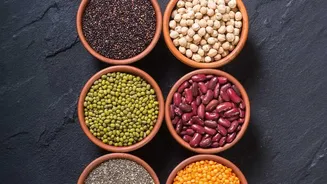
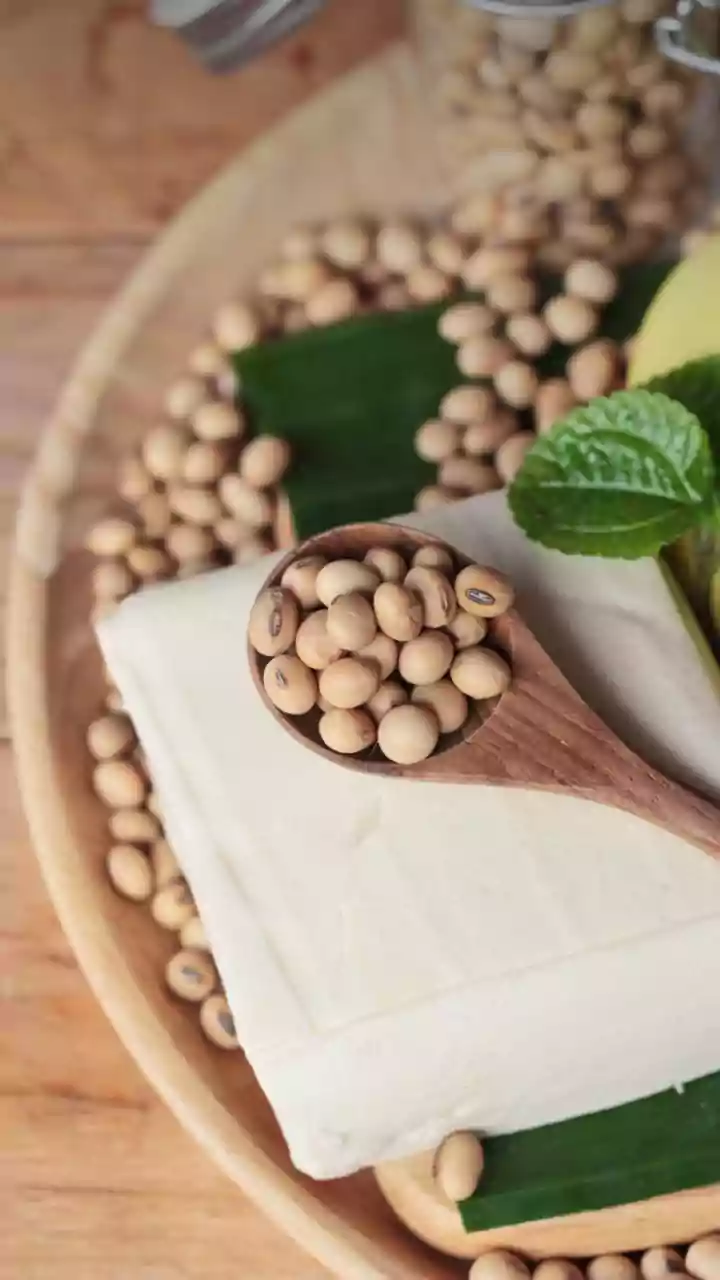
You've likely heard the terms 'complete' and 'incomplete' proteins. A complete protein is a food source that contains all nine essential amino acids in adequate amounts. Animal products like meat, eggs, and dairy are classic examples. In the plant kingdom, foods like soy (including tofu, tempeh, and edamame), quinoa, and buckwheat are considered complete protein sources. Most other plant foods, such as grains, legumes, nuts, and seeds, are 'incomplete' because they are low in one or more of these essential amino acids. For example, beans are typically low in the amino acid methionine, while rice is low in lysine. But this doesn't make them inferior; it just means they benefit from being part of a team.
The Myth of Meal-by-Meal Combining
An old but persistent myth suggested that you needed to combine these complementary plant proteins within the same meal to form a 'complete' protein. Thankfully, nutritional science has moved on. Our bodies are incredibly resourceful and maintain a 'pool' of free amino acids. This means you don't need to stress about perfectly pairing foods at every single meal. As long as you eat a wide variety of plant-based protein sources throughout the day, your body can pull the different amino acids it needs from this pool to build complete proteins and repair muscle tissue effectively. The focus should be on overall dietary variety, not on specific meal-time combinations.
Tofu and Seeds: A Power Pairing
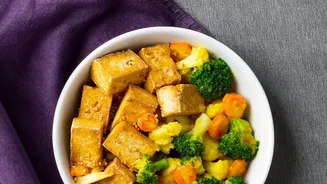
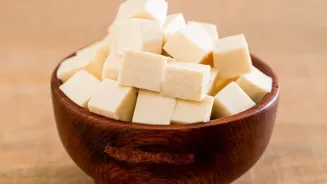
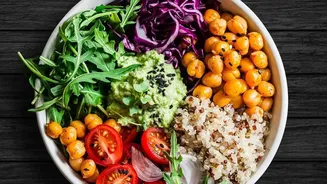
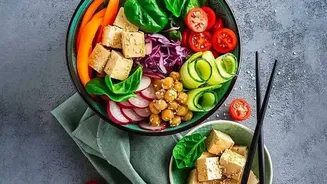
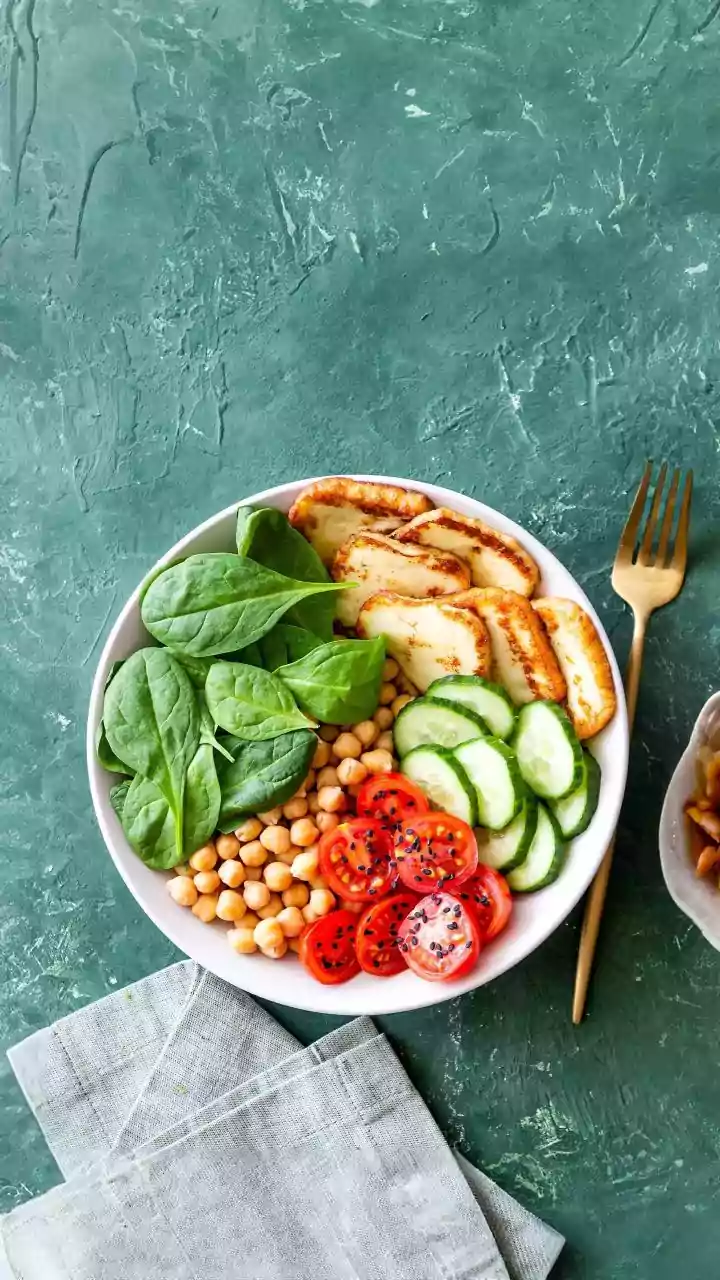
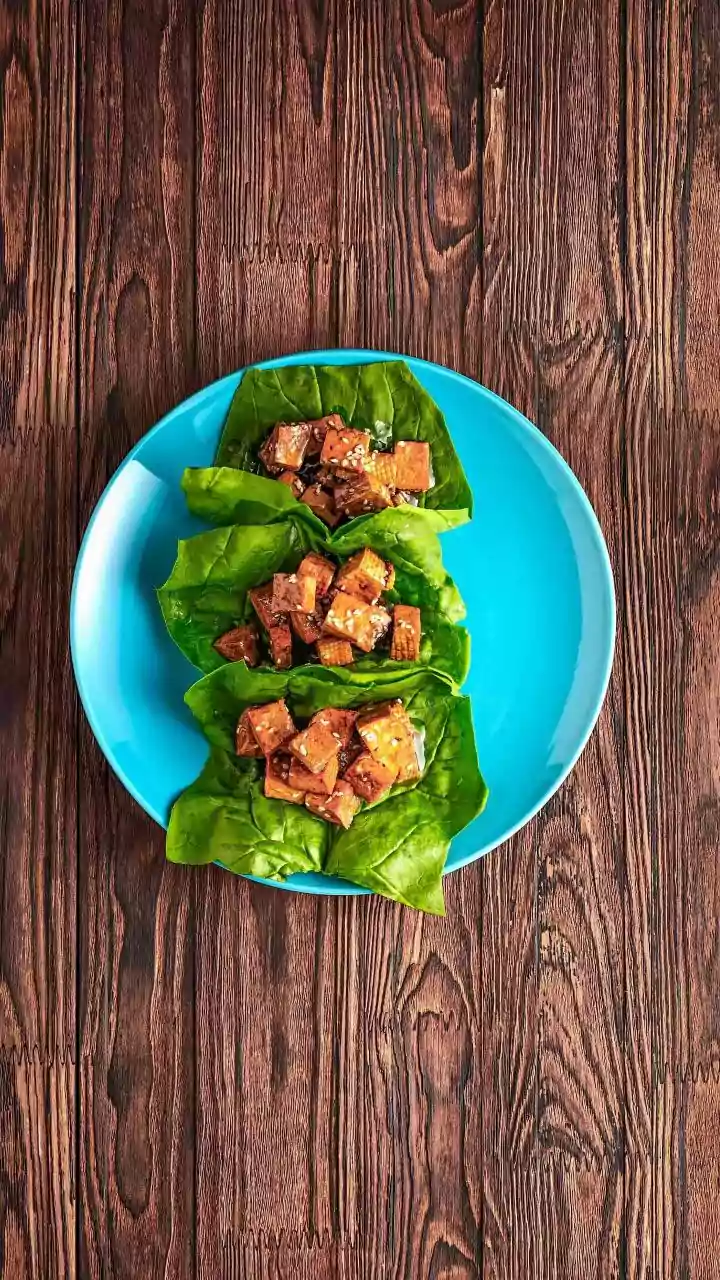
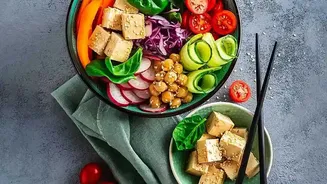
The headline's example of tofu and seeds is an excellent illustration of protein combining. Tofu, made from soybeans, is a complete protein on its own and is particularly rich in lysine. It's a fantastic base for any muscle-focused meal. Seeds—like chia, hemp, pumpkin, or sunflower seeds—also bring their own impressive amino acid profiles. Hemp and chia seeds are also considered complete proteins. When you sprinkle seeds over a tofu scramble or blend them into a tofu-based smoothie, you're not just adding texture and healthy fats; you're diversifying your amino acid intake, ensuring your body has an abundant supply of all the building blocks it needs for optimal recovery. For example, pairing beans with nuts or seeds, such as in a salad with chickpeas and sunflower seeds, is another great combination.
More Classic Protein Combinations
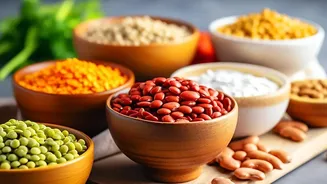
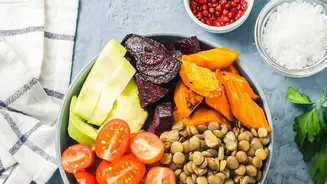
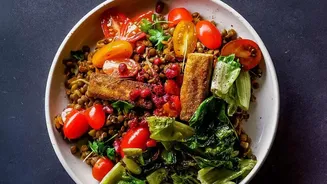
Beyond tofu and seeds, many traditional food pairings around the world are natural examples of protein complementation. The classic combination of rice and beans works because the beans supply the lysine that rice lacks, and the rice provides the methionine that beans are low in. Similarly, hummus (made from chickpeas) served with whole-wheat pita bread is another perfect pair. Other simple and effective combinations include peanut butter on whole-wheat toast, lentil soup with a side of whole-grain bread, and a quinoa salad loaded with various vegetables and beans. By incorporating a mix of grains, legumes, nuts, and seeds into your daily diet, you effortlessly cover all your protein bases.