



Declare War on Damp and Mould
After weeks of high humidity, mould and mildew are public enemy number one. These fungi thrive in damp, poorly ventilated spaces, leaving behind a musty smell and unsightly patches on walls, furniture, and even clothes. Your first mission is to improve
air circulation. Whenever the rain lets up, open windows and doors to create cross-ventilation. Pull large furniture like beds and cupboards a few inches away from the walls; this small gap prevents moisture from getting trapped and allows air to flow freely. Check inside wardrobes and cabinets, which are prime breeding grounds for mildew. To keep them dry, you can place moisture absorbers like silica gel packs or even bowls of coarse salt. For existing mould spots on walls, a simple solution of equal parts white vinegar and water can help clean the area and inhibit future growth.
Inspect for Leaks and Seepage
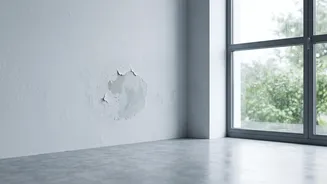
Slow leaks that started in June or July may now be showing up as significant damp patches or peeling paint. Do a systematic walk-through of your home. Pay close attention to the corners of ceilings, the areas around window and door frames, and any walls that are exposed to the elements. Signs of trouble include dark, wet patches, bubbling paint, or white, powdery deposits on the walls. While minor sealing around a window might be a DIY job using silicone sealant, significant seepage from the roof or external walls points to a structural issue. Such problems are typically the landlord's responsibility to fix. Prolonged seepage can weaken the structure, so it's crucial to address it promptly.
Prioritise Electrical Safety
Water and electricity are a dangerous mix, and monsoon conditions heighten the risk of short circuits and shocks. Never touch switches or electrical appliances with wet hands. Conduct a visual inspection of all accessible wiring. Look for any frayed cables or loose connections, especially near areas prone to dampness. Keep electrical gadgets away from windows and balconies where rainwater might splash in. During heavy thunderstorms with lightning, it's wise to unplug expensive electronics like televisions, computers, and Wi-Fi routers to protect them from power surges. If you notice any flickering lights, sparks, or a burning smell from a socket, stop using it immediately and inform your landlord. Do not attempt complex electrical repairs yourself.
Air Out Clothes and Linens
Fabrics are moisture magnets during the monsoon. Clothes, bedsheets, and curtains can feel perpetually damp and develop a sour, musty odour. It’s essential to ensure everything is bone-dry before storing it. Even a slightly damp t-shirt in a closed cupboard can lead to mildew spreading to other items. If you dry clothes indoors, ensure the room is well-ventilated. On dry, sunny days, take the opportunity to air out heavy curtains, blankets, and rugs. Shaking them out and letting them hang in a breezy spot for a few hours can release trapped moisture and odours. For clothes that have developed a mildew smell, adding half a cup of white vinegar to the rinse cycle during washing can help.
Check Drains and Pest Entry Points
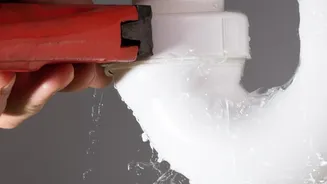
Clogged drains are a common monsoon menace. Balcony and bathroom drains can easily get blocked with leaves and debris, causing water to back up and potentially enter your home. Ensure these are clear and flowing freely. A weekly flush with hot water can help keep internal pipes clear of grease and soap buildup that can cause blockages. The damp weather also invites pests like mosquitoes, cockroaches, and termites. Check for any gaps in window meshes and seal any small cracks or holes in walls or floors where insects might be entering. Ensure there is no stagnant water collecting in or around your home, as these are breeding grounds for mosquitoes.
Communicate With Your Landlord
As a renter, it's important to distinguish between minor upkeep and major repairs. While you can manage day-to-day cleaning and mould prevention, issues like major leaks, widespread dampness from structural faults, and faulty electrical systems are generally the landlord's responsibility. Document everything clearly. Take photos and videos of the damage, such as water seeping through a wall or a major crack. Send a written request for repairs to your landlord via email or WhatsApp, attaching the evidence. This creates a clear record. Indian tenancy laws generally state that the landlord is responsible for keeping the property in a liveable condition, which includes undertaking major repairs not caused by the tenant's negligence.