







The Rise of the 'Augmented Professional'
Across India, from the tech hubs of Bengaluru to the manufacturing floors of Pune, a new reality is taking shape. The fear of AI eliminating jobs is being replaced by the opportunity of AI augmenting them. Professionals are not being replaced by AI, but
by other professionals who know how to leverage AI effectively. This shift marks the rise of the 'augmented professional'—an individual who combines deep, industry-specific knowledge with AI fluency to achieve unprecedented levels of productivity and insight. According to a recent Michael Page report, 73% of Indian professionals now use generative AI at work, a significant jump from previous years, showing a rapid move from novelty to necessity. This isn't about everyone becoming a coder; it's about doctors, lawyers, marketers, and accountants using AI as a co-pilot to enhance their existing skills.
Domain Expertise as the New Anchor
While the demand for specialised AI roles like Machine Learning Engineers and Data Scientists is soaring, the bigger transformation is happening within traditional job functions. An AI model can generate marketing copy, but it needs a seasoned brand manager to ensure it aligns with brand voice and strategy. An AI can analyse medical scans, but it requires a radiologist's expertise to interpret the results in the context of a patient's history. This is why employers are increasingly looking for a potent combination: domain expertise plus AI literacy. Reports indicate that pay for roles requiring AI skills commands a significant premium, with some estimates suggesting a 40% to 56% increase over non-AI counterparts. This premium isn't just for tech wizards; it's for the finance analyst who can use AI to build better predictive models or the HR manager who uses it to identify top talent more efficiently.
How Different Sectors Are Adapting
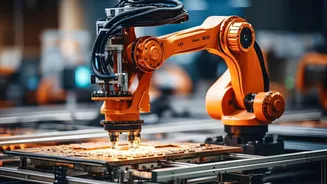
The integration of AI is not uniform and varies across India's key industries. In the IT and BPO sectors, AI is automating routine coding and customer service tasks, pushing the workforce towards higher-value roles in AI management, cybersecurity, and data analytics. In manufacturing and logistics, AI is being used for predictive maintenance and supply chain optimisation, requiring technicians who understand both the machinery and the data it produces. Even in agriculture, AI tools are helping with crop monitoring and yield prediction, creating a need for agronomists who are also comfortable with data platforms. This trend is creating a barbell-shaped labour market, with high demand for both highly skilled AI specialists and domain experts who can apply these new tools, while routine, middle-skill jobs face pressure.
Upskilling: The Bridge to the Future
The critical takeaway for professionals across India is the urgent need for upskilling. However, this doesn't mean everyone needs to enrol in a deep-learning course. For many, the first step is developing strong AI literacy—understanding what AI can and cannot do. This is followed by mastering practical skills like prompt engineering to communicate effectively with AI models and learning to use the AI-powered tools relevant to one's specific field. Companies and the government are recognising this massive need. Initiatives like NASSCOM's FutureSkills PRIME are aiming to reskill millions of professionals in emerging technologies. The consensus is clear: lifelong learning is no longer a buzzword but a core component of career survival and growth in the AI era. The future belongs to those who can learn, unlearn, and relearn at the pace of technology.