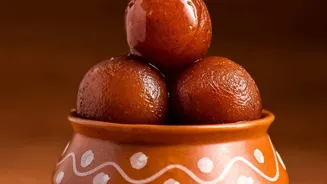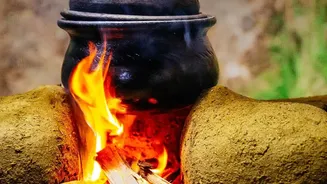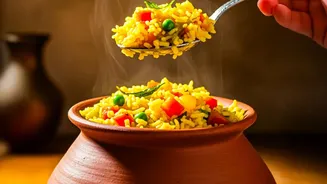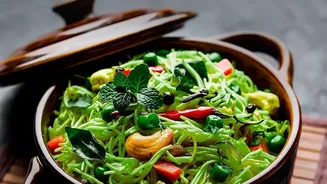




An Ancient Practice for Modern Kitchens
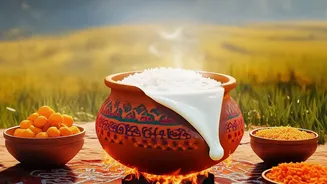
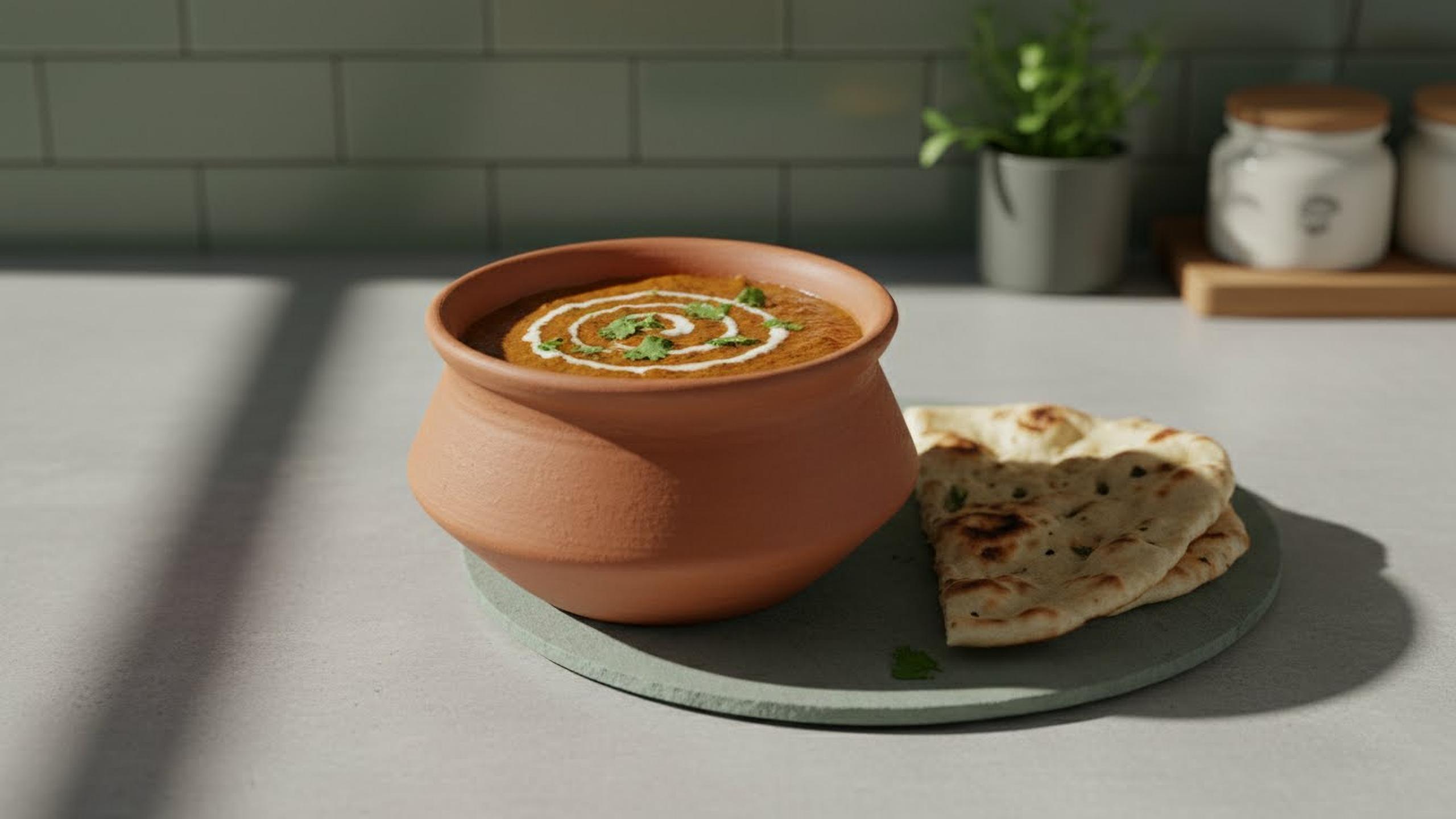
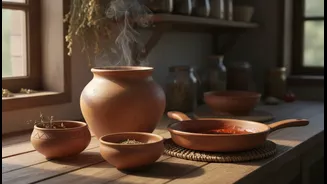
For centuries, clay pots—known as handi or matka in India—were staples in kitchens around the world. Before stainless steel and non-stick pans, these humble earthen vessels were trusted to prepare nutritious and delicious meals. Today, a growing number
of home cooks are looking past modern conveniences and turning back to this traditional method. This revival isn't just about nostalgia; it’s a conscious choice for a more sustainable and mindful approach to food. The decision to cook with clay is often tied to a desire for authenticity, connecting with culinary heritage, and slowing down in a fast-paced world.
The Science of Superior Flavour
The secret to a clay pot's magic lies in its porous nature. Unlike metal cookware, clay breathes, allowing heat and moisture to circulate slowly and evenly. This process locks in the food's natural moisture, making dishes exceptionally tender and juicy without requiring excess oil or water. The slow, gentle heat distribution prevents burning and allows flavours to meld and deepen in a way that high-heat cooking can't replicate. Furthermore, clay is alkaline. This property helps neutralize the pH balance of acidic ingredients like tomatoes, lending them a natural sweetness and creating a richer, smoother taste.
Health and Wellness Benefits
The lifestyle appeal of clay pot cooking is deeply connected to its health advantages. Since the pots retain moisture so effectively, far less oil is needed, making it ideal for preparing lighter, low-fat meals. The slow cooking process also helps preserve the delicate vitamins and minerals in food that can be destroyed by high heat. Pure, unglazed clay pots are 100% natural and free from the chemicals or synthetic coatings found in some modern cookware, ensuring that no harmful substances leach into your food. This guarantees a pure, wholesome meal every time.
Choosing Your Earthenware Companion
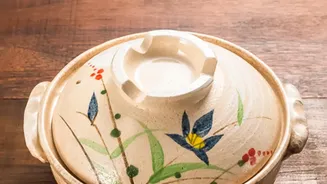
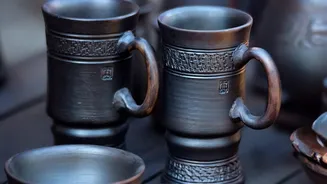
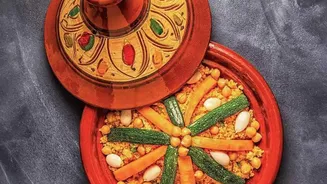
Getting started with clay pot cooking involves choosing the right vessel. Pots come in various forms, including earthenware, stoneware, and terracotta. Unglazed pots, which are entirely natural, require 'seasoning' before their first use—a process that usually involves soaking the pot in water and sometimes treating it with oil. This strengthens the pot and seals its pores. Glazed pots are easier to clean but may not offer the same porous benefits as their unglazed counterparts. From Spanish cazuelas to Indian handis and Japanese donabes, each type is designed for specific cooking styles, whether it's for simmering curries, baking bread, or making stews.
Care and Cooking Tips
Cooking with clay requires a slight shift in habits. The cardinal rule is to avoid sudden temperature changes, known as thermal shock, which can cause the pot to crack. Always start cooking on low heat and increase it gradually. When cleaning, avoid harsh soaps or detergents, especially with unglazed pots, as the porous clay can absorb them. A gentle scrub with warm water, and perhaps some baking soda or flour paste, is usually sufficient. Finally, ensure your pot is completely dry before storing it to prevent mould. With proper care, a clay pot can last for years, becoming a cherished part of your kitchen.