






The Weaver's Burden: Unpredictable Yarn Costs
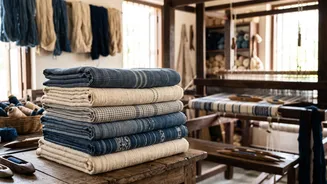
For a small-scale weaver, the cost of cotton yarn is the single most critical factor determining their livelihood. Unlike large textile mills, independent weavers and small cooperatives have minimal bargaining power and limited capacity to stockpile raw
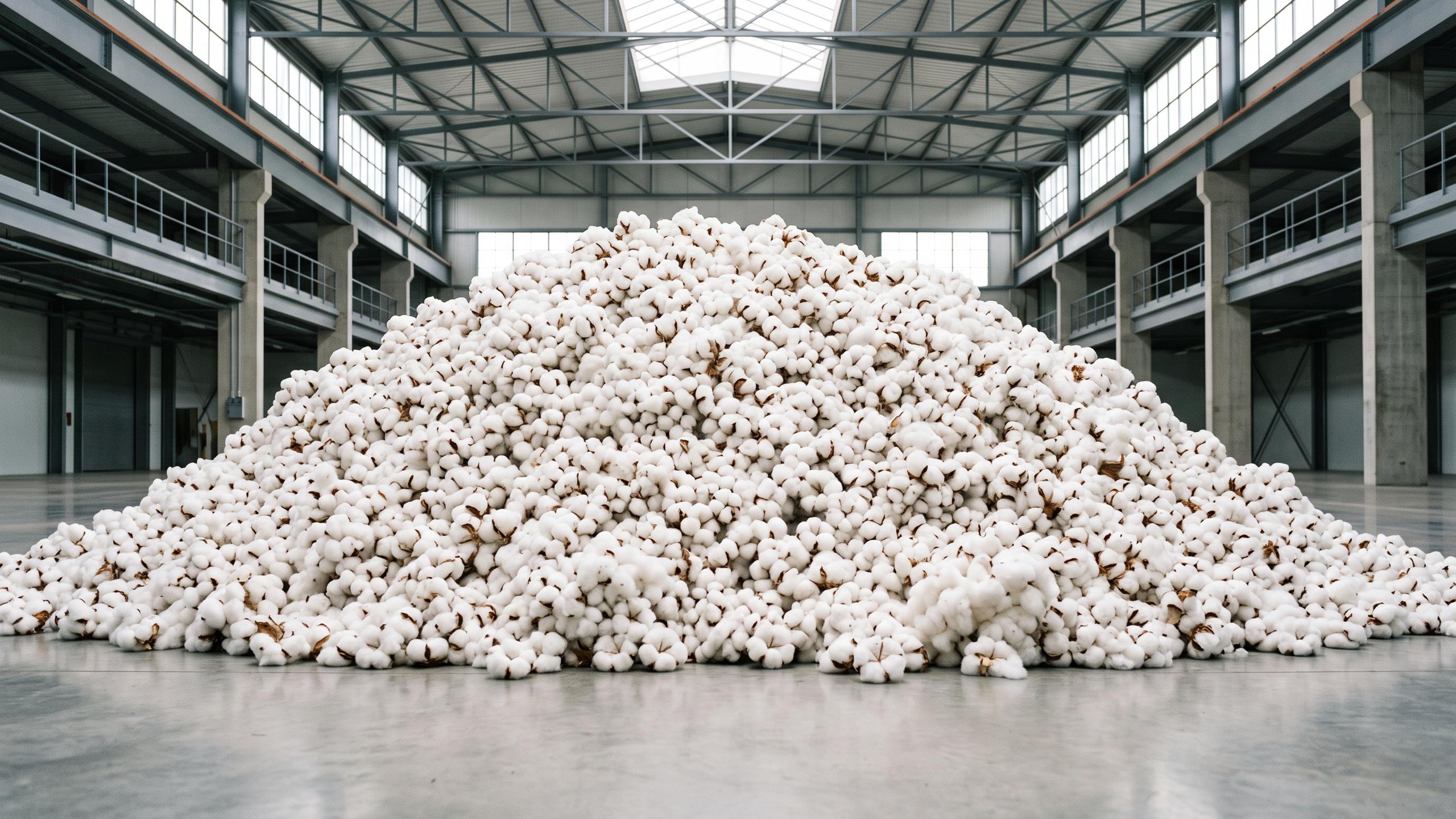
materials. When yarn prices spike, their margins evaporate almost instantly. A sudden increase can mean the difference between a small profit and a significant loss on a finished saree or shawl that took weeks to create. This volatility makes financial planning impossible, pushing many artisan families into debt and forcing them to abandon their ancestral craft. The core of the problem lies in the price of raw cotton, which is subject to dramatic swings based on weather, global demand, and government policy.
A National Tug-of-War: Farmers vs. Mills
The Indian government faces a constant balancing act between two powerful and competing interests. On one side are millions of cotton farmers who need high prices to earn a decent living and stay afloat. On the other side is the massive textile industry, comprising spinning mills and garment exporters, which requires low and stable cotton prices to remain competitive against global rivals in countries like Bangladesh and Vietnam. If domestic cotton prices are too high, the textile industry suffers, risking large-scale job losses and a decline in exports. If prices fall too low, farmers face ruin. Small-scale weavers are caught in the middle of this economic tug-of-war, as the price they pay for yarn is a direct consequence of this larger conflict.
The Import Duty: A Critical Policy Switch
The primary tool the federal government uses to navigate this challenge is the import duty on raw cotton, typically set at 11%. When this duty is active, it acts as a protective barrier for farmers. It makes imported cotton more expensive, encouraging domestic mills to purchase Indian-grown cotton. This props up local prices and ensures farmers receive a fair rate, often supported by the Minimum Support Price (MSP) mechanism. However, this protection for farmers translates into higher input costs for the textile industry. When the government wants to provide relief to the textile mills and, by extension, yarn consumers, it can flip this switch 'off' by temporarily waiving the duty.
Why the Safeguard is Currently 'Off'
In late 2026, the government has kept this switch in the 'off' position. Facing lower than expected domestic cotton production and soaring prices, the 11% import duty was temporarily waived to help the struggling textile sector. With domestic prices climbing sharply, allowing duty free imports provides a crucial safety valve. It increases the overall supply and helps cool down domestic rates, preventing them from spiralling out of control. This is the 'safeguard' in action for weavers: the policy is currently geared towards making their primary raw material more affordable. By lowering the cost for spinning mills, the move aims to prevent a crippling spike in yarn prices, thus protecting the weaver's ability to continue working without facing impossible costs.
An Imperfect and Temporary Shield
While the duty waiver provides immediate relief from high prices, it is a blunt instrument, not a permanent solution. This strategy puts the interests of the textile industry and weavers directly against those of cotton farmers, who face lower prices due to cheaper imports. Realizing this, the government also employs a suite of more targeted initiatives aimed directly at weavers. Schemes under the National Handloom Development Programme (NHDP) provide everything from subsidised yarn and loom upgrades to insurance and scholarships for weavers' children. These programmes attempt to build a more resilient foundation for the handloom sector, insulating it from the inevitable shocks of a policy that must constantly pivot between protecting the farmer and supporting the factory.