
What Exactly is Slow Decorating?
Slow decorating is a philosophy that prioritizes quality over quantity and personal stories over passing fads. Its roots can be traced to the 'Slow Food' movement, which championed a more mindful and sustainable approach to consumption. In home design,
this means resisting the urge to fill every corner of a new space immediately. Instead, it’s about patiently curating a collection of furniture, art, and objects that you truly love and that hold personal significance. The goal is to create a home that feels lived-in and authentic, telling the story of your life and travels, rather than looking like a page from a catalog. This approach is not only more budget-friendly but also more sustainable, as it encourages investing in well-crafted, timeless pieces and secondhand finds instead of mass-produced items destined for a landfill.
Start with the 'Bones' of the Room
Every successful slow-decorated room begins with a strong foundation. Before you even think about decorative accessories, focus on the essential, high-impact pieces. These are the functional anchors of your space, like a comfortable sofa, a sturdy dining table, or a quality bed frame. Because you are buying fewer items upfront, you can invest more in these core pieces, choosing timeless designs made from durable materials that are built to last. Think about the functionality you need most. Before you start shopping, live in the space for a while. Notice the flow of traffic, where the natural light falls, and how you actually use the room from day to day. This observation period is critical; it reveals the practical needs that a rushed design process often overlooks.
The Art of Layering Over Time
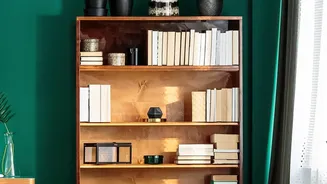
Once your foundational pieces are in place, the real joy of slow decorating begins: the layering. This is where you add personality, texture, and depth to your room, stage by stage. Instead of buying generic decor to fill shelves, wait until you find something meaningful. This could be a piece of art from a local artist, a rug you discovered on a trip, or a cherished family heirloom. The key is to let these items come into your life organically. By doing so, your home becomes a living diary of your experiences. This approach also allows you to mix styles and decades, creating a space that feels eclectic and soulful. An antique armchair can coexist beautifully with a modern sectional if the pieces are chosen with intention.
Maintaining Cohesion in an Evolving Space
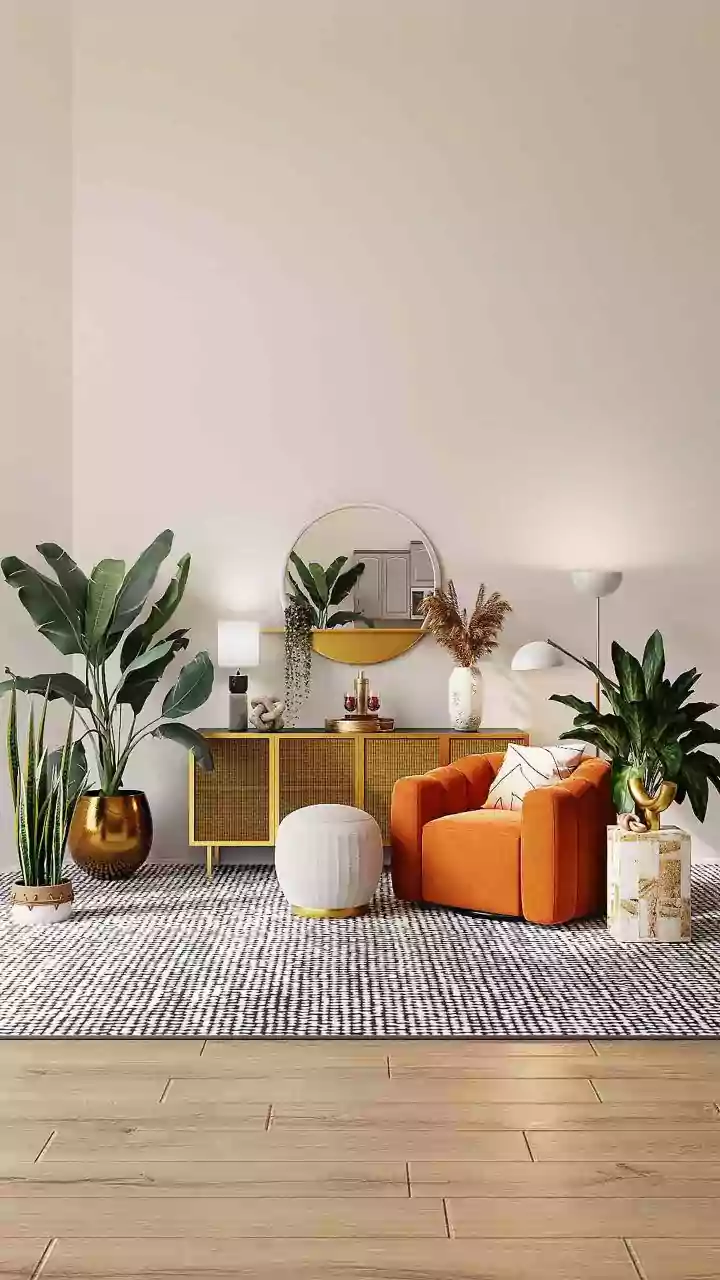
The biggest challenge in slow decorating is ensuring the room feels cohesive rather than chaotic. How do you make sure that pieces collected over years work together? The trick is to establish a loose framework at the beginning. This doesn't mean a rigid set of rules, but rather a guiding vision. Start by picking a general color palette of three to five complementary colors. This will help you make decisions as you add new items. You can also define a general style or mood—are you aiming for calm and minimalist, or vibrant and eclectic? Having this in mind will guide your choices. Another key factor is scale. Pay attention to the size of your furniture to ensure pieces are balanced. For instance, a delicate antique table might look out of place next to an oversized modern sofa.
Embracing the Journey, Not the Destination
Ultimately, slow decorating is a mindset shift. It requires letting go of the pressure to have a 'finished' home. A home is not a static project to be completed, but an evolving space that grows and changes with you. There is a unique satisfaction that comes from a room where every object has a purpose or a memory attached. This process encourages contentment and helps you define your personal style, free from the influence of fleeting trends. By taking your time, you are more likely to make thoughtful choices that lead to a calmer, more functional, and deeply personal environment that truly feels like your own.