





What Defines an 'Ultimate' Adventure?
In a world of curated experiences, the word 'ultimate' is often overused. But when it comes to a forest, the criteria are simple and profound. It’s about remoteness—a true escape from the hum of civilization. It’s about biodiversity, the thrill of stepping
into a living, breathing ecosystem teeming with life found nowhere else. And most importantly, it’s about responsible immersion, the chance to witness nature on its own terms, leaving nothing behind but footprints. An ultimate adventure respects the wild, it doesn't try to conquer it. It’s a journey that changes your perspective, reminding you of the planet's raw, untamed beauty. It’s less about a destination and more about a state of being—present, aware, and humbled.
Case Study: Silent Valley National Park
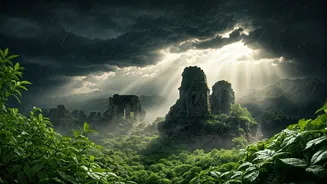
If any place in India embodies this spirit, it is the Silent Valley National Park in Kerala. Nestled in the Nilgiri hills of the Western Ghats, this is not your typical tourist spot. It's a core area of the Nilgiri Biosphere Reserve, a UNESCO World Heritage Site, and one of the last remaining tracts of undisturbed tropical evergreen rainforest in India. Its name is beautifully literal; the near-total absence of cicadas lends the forest an almost reverential quiet, broken only by birdsong and the rustle of leaves. This isn't a park you can simply drive through. Access is strictly controlled, ensuring the fragile ecosystem remains pristine. This exclusivity is part of its profound appeal.
A Sanctuary of Rare Life
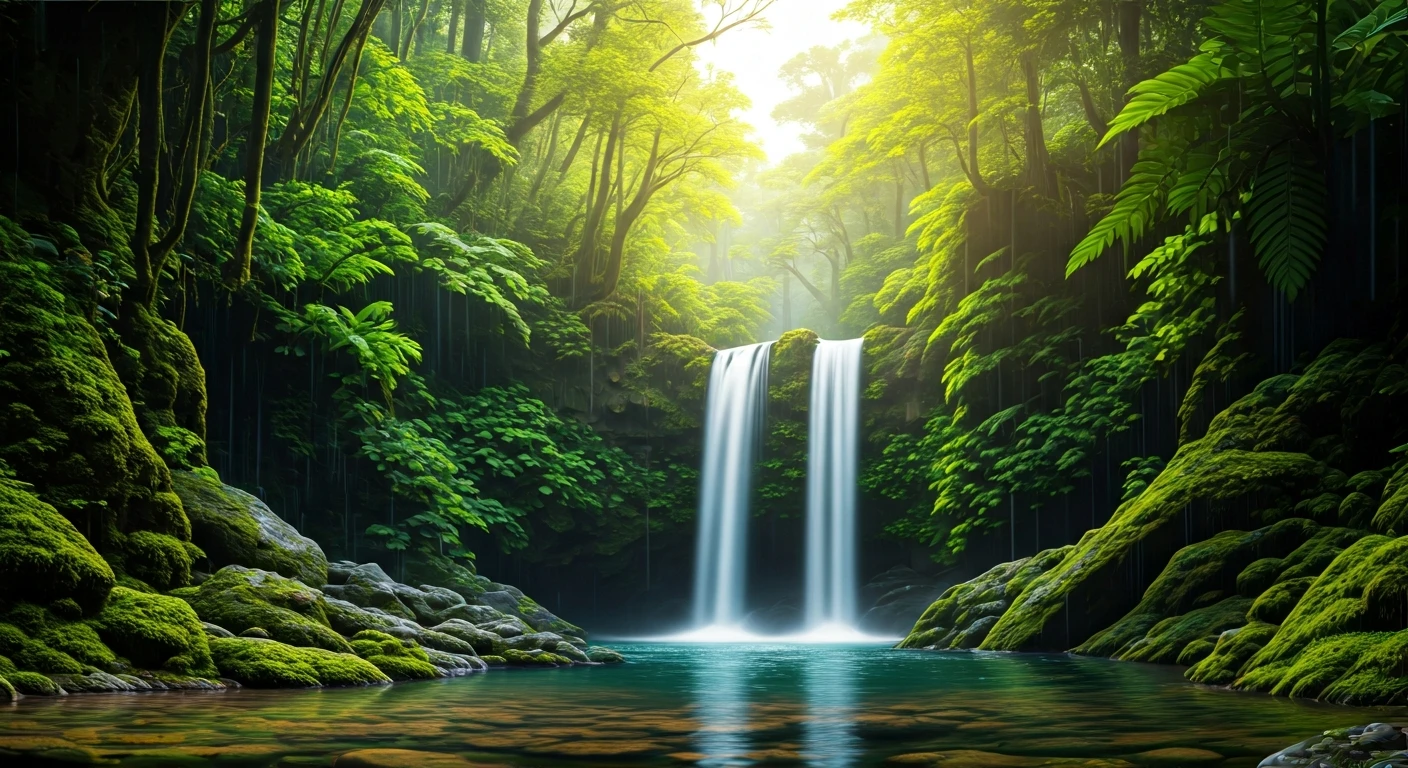
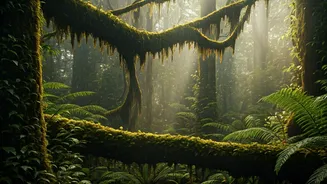
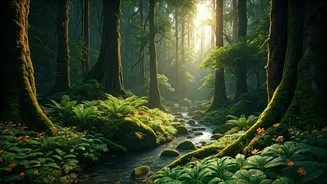
The true wealth of Silent Valley lies in its inhabitants. This is one of the most secure habitats for the endangered lion-tailed macaque, a shy, magnificent primate that has become a symbol of the park. Trekking through the dense canopy, you might spot the Nilgiri langur, Malabar giant squirrel, or a kaleidoscope of butterfly species. The forest floor is a carpet of mosses and ferns, while giant trees form a cathedral-like ceiling overhead. The river Kunthipuzha, originating within the park, flows crystal-clear and unpolluted, a testament to the purity of the landscape. Every step is a lesson in ecology, a visual feast of evolution at work.
A Hard-Won Paradise
Silent Valley is not just a natural wonder; it's a symbol of conservation victory. In the late 1970s, a plan to build a hydroelectric dam across the Kunthipuzha threatened to submerge a vast area of the forest. This sparked the 'Save Silent Valley' movement, one of India's most significant environmental campaigns. Poets, scientists, students, and citizens united, forcing the government to abandon the project and declare the area a national park in 1984. To visit Silent Valley is to walk through a landscape saved by foresight and passion. It’s a powerful reminder that these wilderness areas are not just given; they are protected through constant vigilance.
Planning Your Expedition
A trip to Silent Valley requires planning. Entry is managed by the Kerala Forest Department from the base camp at Mukkali, about 20 km away. Private vehicles are not allowed inside; you must hire a jeep and a guide from the Forest Department office at Mukkali. Permits are mandatory and it's best to arrive early, as the number of vehicles allowed per day is limited. The park is typically open from 8 AM to 1 PM for entry. The best time to visit is from September to March, after the heavy monsoons have subsided, leaving the forest lush and vibrant. This is a day-trip adventure; there are no overnight stays permitted within the core national park area, preserving its sanctity. Prepare for a rugged journey, but one that rewards you with an experience of pure, unadulterated nature.