




The Science Behind the Glow
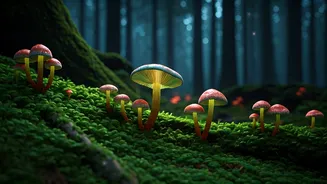
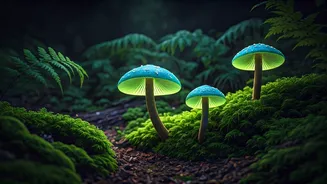
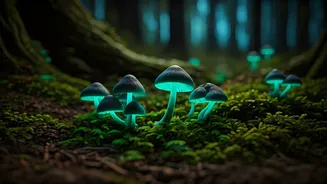
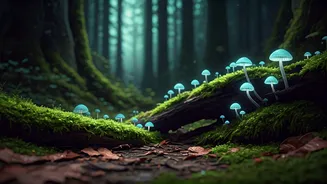
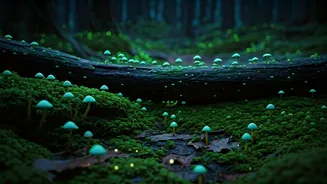
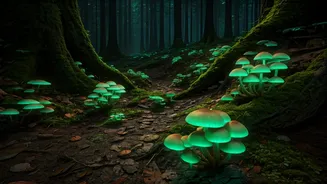
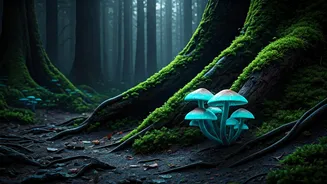
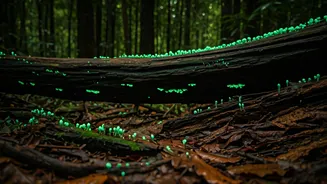
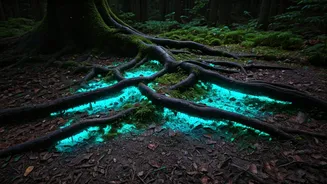
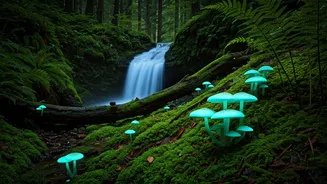
This ethereal light show is a natural wonder known as bioluminescence. It’s produced by certain species of fungi, most commonly from the *Mycena* genus. The glow is the result of a chemical reaction involving a light-emitting compound called luciferin
and an enzyme called luciferase. When these two interact with oxygen, they release energy in the form of a faint, steady, greenish-yellow light. Scientists believe this glow may serve to attract nocturnal insects that help in spore dispersal, ensuring the fungus propagates. It’s a silent, beautiful display of nature’s ingenuity, turning decaying logs and leaf litter into a living lantern.
The Magic of the Monsoon
The appearance of these glowing mushrooms is intrinsically linked to the monsoon season in India, typically from June to late September or early October. The high humidity, constant moisture, and abundance of decaying organic matter create the perfect breeding ground for these fungi. The rain-soaked forests of the Western Ghats and parts of Northeast India come alive during this period. The darkness of the new moon nights, combined with the overcast monsoon skies, provides the ideal canvas for the fungi’s faint glow to be seen most vividly. Planning a trek during this window is crucial for a successful sighting.
Hotspot: The Western Ghats of Maharashtra
Maharashtra’s stretch of the Western Ghats is arguably the most popular and accessible region for witnessing this phenomenon. The forests near Bhimashankar Wildlife Sanctuary, a couple of hours' drive from Pune and Mumbai, are a well-known hotspot. Local guides and trekking groups frequently organise night walks specifically to find these glowing carpets of fungi. Other locations include the forests around Malshej Ghat, the Tamhini Ghat region, and the dense jungles of the Sahyadri range. These areas offer a high chance of sightings, especially during peak monsoon months like July and August.
Goa's Glowing Forests
Beyond its famous beaches, Goa’s hinterlands offer their own secrets. During the monsoon, the state's wildlife sanctuaries become a prime location for bioluminescent fungi. The Mhadei Wildlife Sanctuary and the forests around the Chorla Ghat region, on the border of Goa, Maharashtra, and Karnataka, are particularly rich in biodiversity. Several eco-tourism operators in Goa conduct guided night trails into these forests. The experience here is often more serene and less crowded, allowing for a deeply immersive encounter with the glowing world at your feet.
A Glimmer in Meghalaya
While the Western Ghats are the primary destination, the phenomenon isn't exclusive to them. In recent years, researchers and locals have documented bioluminescent fungi in the lush forests of Meghalaya. A species named *Roridomyces phyllostachydis* was identified here, found glowing on bamboo. For travellers exploring the Northeast, enquiring with local guides in the West Jaintia Hills district during the monsoon might lead to a unique and offbeat sighting. This adds another fascinating layer to the region's already rich natural heritage.
Planning Your Night Trek
To make the most of this experience, proper planning is key. First, always go with a certified local guide or a reputable trekking group. They know the exact trails, understand the forest, and can ensure your safety. For clothing, wear comfortable trekking shoes with good grip and carry a reliable raincoat or poncho. It's essential to carry a torch, but use it sparingly to allow your eyes to adjust to the dark. A torch with a red light filter is ideal, as it doesn't disrupt your night vision or disturb wildlife. Remember to carry water and some snacks. Most importantly, practice responsible tourism. Stick to the trail, do not touch or pluck the fungi, and carry all your litter back with you. The goal is to observe this wonder without disturbing its delicate ecosystem.