








A Shift in the Shelfie
There's a quiet revolution happening in Indian bathrooms and on social media feeds. Where once the logos of international behemoths dominated, a vibrant array of local brands are now taking pride of place. This isn't just a fleeting trend; it's a fundamental
change in consumer preference. A recent report highlighted a striking reversal, with 36% of Indian consumers now preferring local beauty brands compared to just 23% who favour imported ones. [9] This movement goes beyond simple patriotism, reflecting a deeper desire for products that are transparent, effective, and intimately understand the needs of Indian skin. [2, 9]
Beyond 'Vocal for Local'
While government initiatives like 'Make in India' and 'Vocal for Local' have certainly boosted visibility for domestic brands, the drivers of this trend are far more nuanced. [9, 18] Today's consumers, armed with unprecedented access to information, are more discerning than ever. They are actively seeking out "clean beauty"—formulations free from parabens, sulphates, and other harmful chemicals. [5] There's a growing demand for transparency and authenticity, with shoppers prioritising brands that offer safe, effective products over amplified marketing claims. [2] This conscious consumerism has created a fertile ground for homegrown brands that build trust through quality and cater to specific local needs. [5, 7]
The Power of Ancient Wisdom and Modern Science
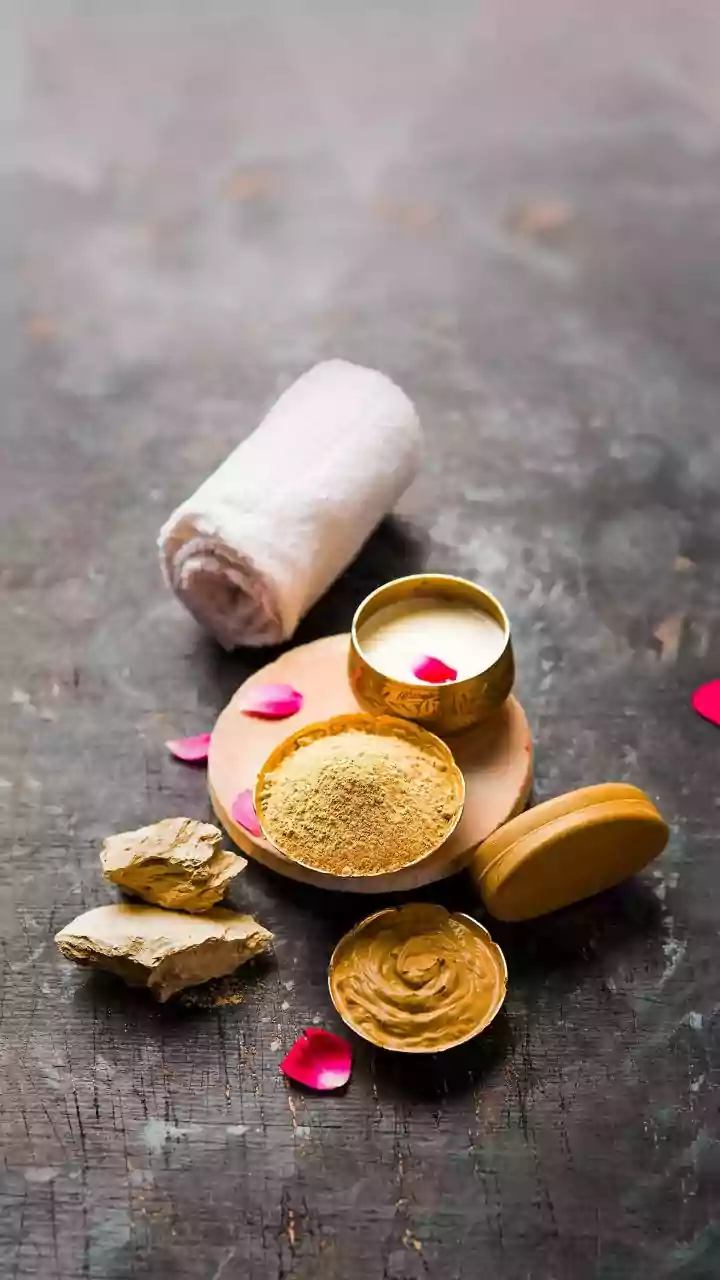
One of the biggest advantages for local brands is their ability to tap into India's rich heritage of Ayurveda. [3, 4] For centuries, ingredients like turmeric (haldi), neem, saffron (kesar), and ashwagandha have been staples in Indian wellness rituals. [20] Homegrown brands are now marrying this ancient wisdom with modern dermatological science, creating products that are both culturally resonant and highly effective. [3, 6] Brands like Forest Essentials and Kama Ayurveda have set a benchmark for luxury Ayurveda, while newer players are innovating by combining traditional botanicals with scientifically-backed actives like hyaluronic acid and vitamin C to create potent, cosmetically elegant formulas. [4, 6, 21] This fusion appeals to consumers seeking holistic solutions that feel both familiar and advanced. [3]
Digital Disruption and the D2C Boom
The rise of local skincare is inextricably linked to the digital revolution. The direct-to-consumer (D2C) model, powered by social media and e-commerce, has been a game-changer. [5, 14] Platforms like Instagram and YouTube allow new brands to bypass traditional retail gatekeepers and connect directly with their audience, building communities around shared values and authentic reviews. [2, 5] With over 800 million internet users in India, digital-first brands can educate consumers about ingredients, demonstrate product efficacy through influencers, and foster loyalty in a way that was previously impossible. [5, 7] This has democratised the market, allowing innovative startups to compete with established giants on a more level playing field. [14]
Built for the Indian Climate
A key differentiator for local brands is their focus on creating products specifically for Indian conditions. [2] International, one-size-fits-all products often fail to address the unique challenges posed by India's diverse climates, from extreme heat and humidity to high pollution levels. [2] Homegrown brands are formulating lightweight, breathable products designed for daily use in these demanding environments. [2] This concept of "climate-adapted beauty" is a powerful innovation, offering targeted care that resonates deeply with consumers who have long felt overlooked by global product development cycles. [9] The result is skincare that feels less like a generic solution and more like a personal answer to local needs.