

The Building Blocks of Muscle
Every time you exercise, particularly during strength training, you create tiny micro-tears in your muscle fibres. This is a normal and necessary process for growth. Your body then repairs this damage, building the muscles back stronger and bigger than
before. The primary tool for this repair job is protein. But protein itself is made of smaller components called amino acids. Think of amino acids as the individual bricks, and protein as the wall they build. Your body needs 20 different amino acids to function correctly. While it can produce 11 of them on its own, there are nine—known as essential amino acids—that must come from the food you eat. These are crucial for muscle protein synthesis, the process of repairing and building muscle tissue.
The Plant-Based Protein Puzzle
Animal proteins like meat, eggs, and dairy are considered 'complete' proteins because they contain all nine essential amino acids in sufficient amounts. Most plant-based foods, however, are 'incomplete', meaning they are low in one or more of these essential amino acids. This is where the concept of a 'limiting amino acid' comes in. It's the essential amino acid that is present in the shortest supply in a given food. If you're missing even one of these essential building blocks, your body's ability to build new protein is hampered, which can slow down muscle recovery. For plant-based athletes, this doesn't mean muscle growth is off the table; it simply requires a more thoughtful approach to meal planning.
The Power of Protein Complementation
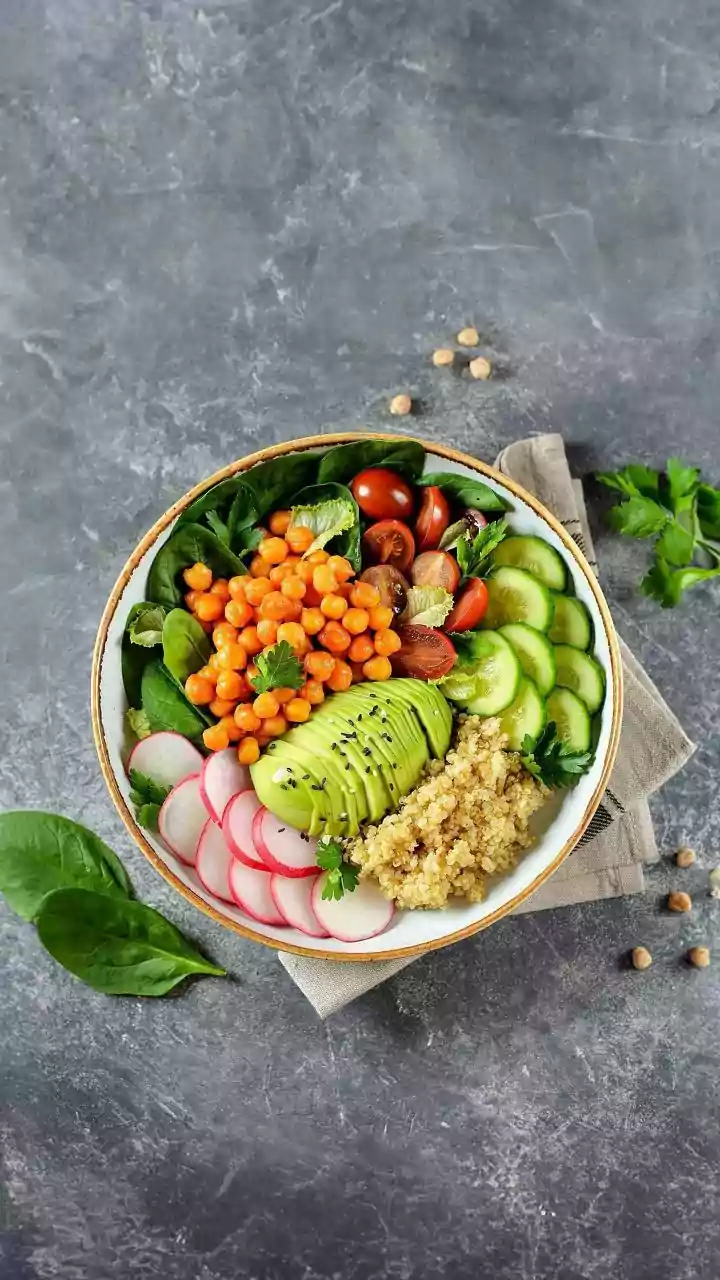
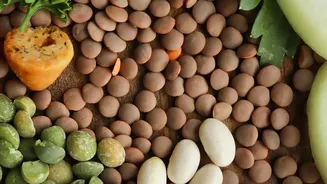
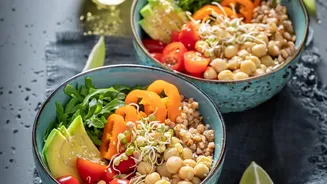
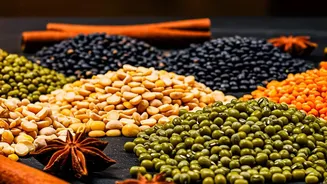
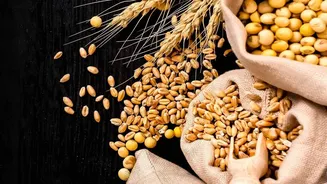
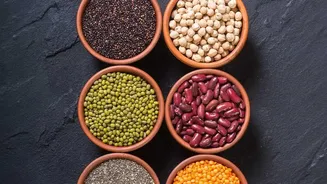
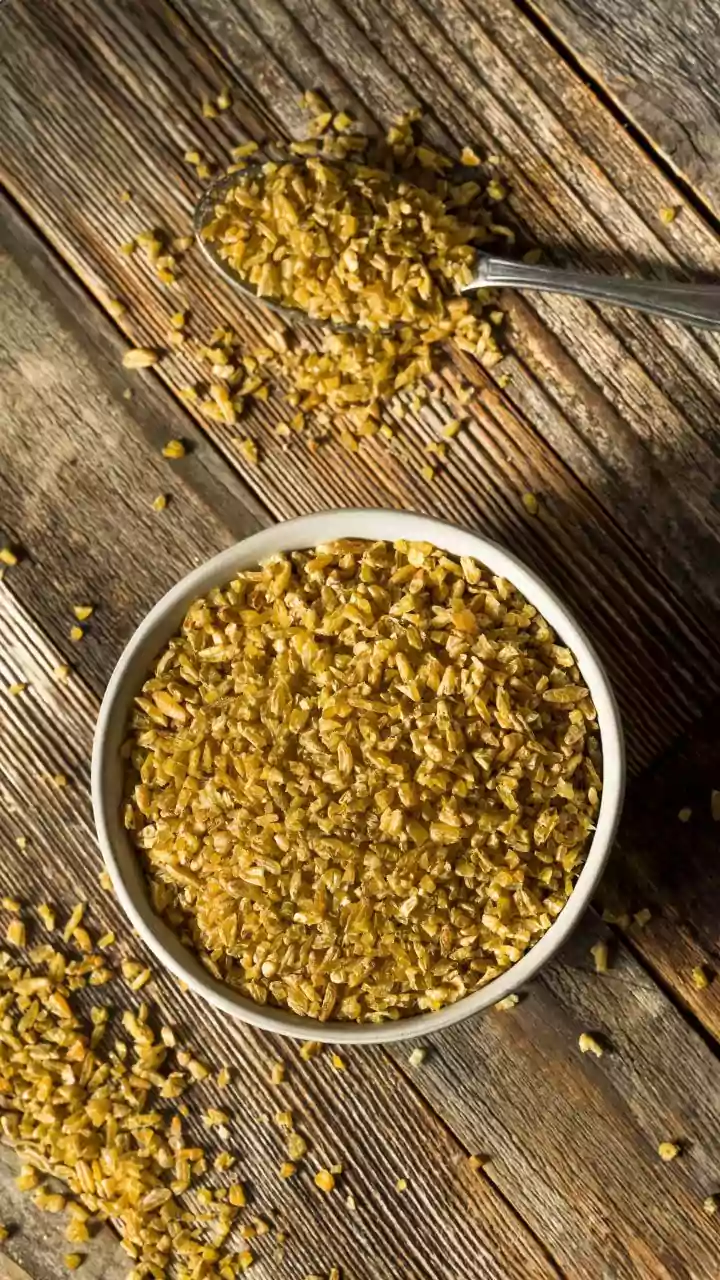
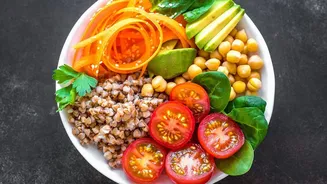
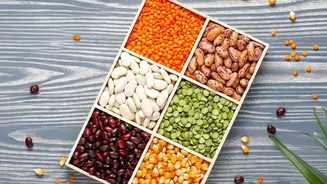
This is where the classic combination of grains and legumes becomes so powerful. These two food groups have complementary amino acid profiles. Legumes—which include beans, lentils, and chickpeas—are typically high in the essential amino acid lysine but low in methionine. Grains—like rice, wheat, and corn—are the mirror image: they are generally low in lysine but contain more methionine. By eating them together, you create a meal that provides a complete amino acid profile, giving your body all the necessary building blocks for muscle repair. This principle is the foundation of many traditional diets around the world, such as beans and rice in Latin America, dhal and rice in India, and hummus with pita bread in the Middle East.
Rethinking the 'Same Meal' Rule
For years, it was believed that you needed to combine these complementary proteins within the same meal for your body to use them effectively. However, modern nutritional science shows this isn't strictly necessary. Your body maintains a pool of free amino acids that it can draw from throughout the day. As long as you consume a variety of plant protein sources over the course of a day, your body can pull the necessary amino acids together to form complete proteins when needed. So, while a lunch of rice and beans is an excellent and efficient strategy, you could also have a whole grain cereal for breakfast and a lentil soup for dinner and still achieve the same complementary effect. The key is dietary diversity.
Beyond Grains and Legumes
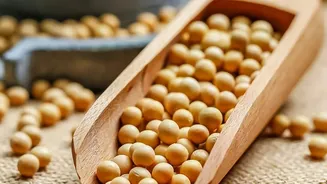
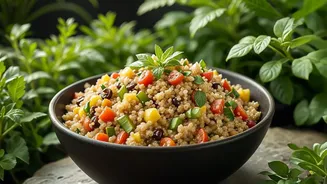
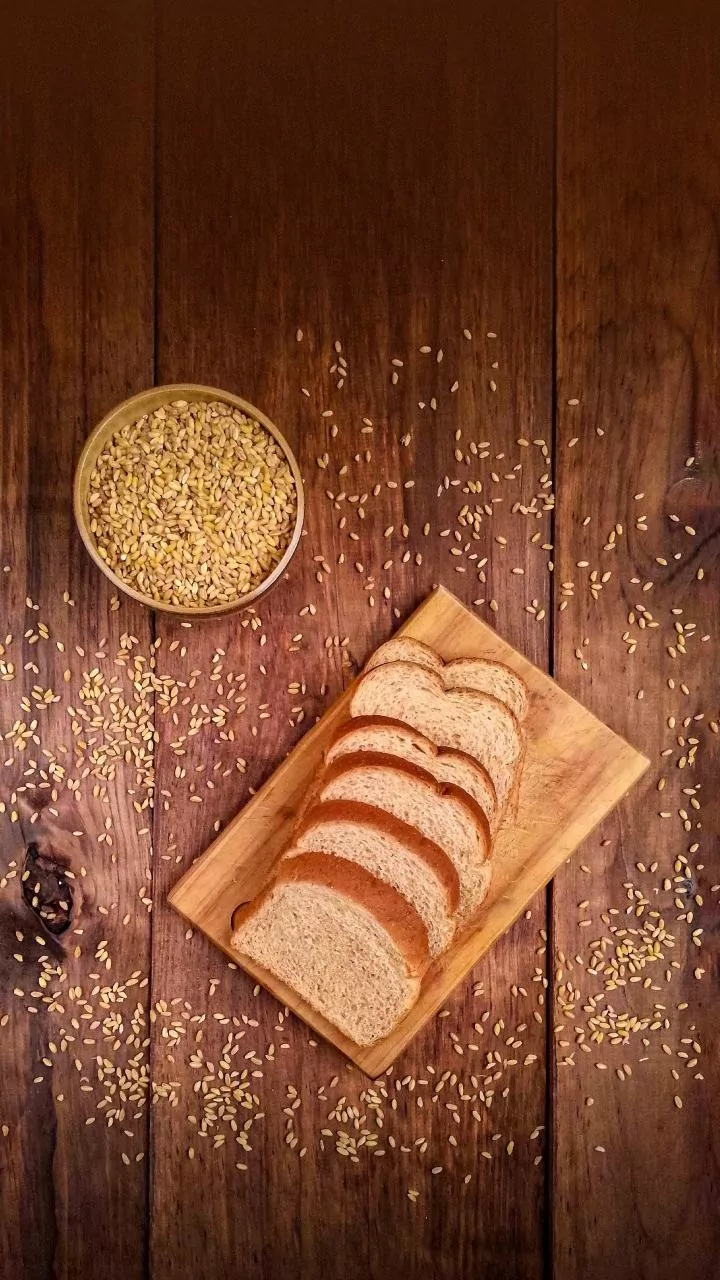
While the grain and legume combination is a cornerstone of vegetarian protein strategy, it's not the only option. A varied plant-based diet can provide all the necessary amino acids from many sources. Some plant foods are complete proteins on their own. Soy products (like tofu, tempeh, and edamame), quinoa, buckwheat, hemp seeds, and chia seeds all contain all nine essential amino acids. Incorporating these powerhouses into your diet can simplify meal planning. Nuts and seeds can also be combined with whole grains to form a complete protein, as seen in the simple yet effective peanut butter sandwich on whole-wheat bread.
Putting It Into Practice
To support muscle recovery, active individuals should aim for a higher protein intake, generally in the range of 1.2 to 2.0 grams of protein per kilogram of body weight per day. Spread this intake throughout the day with protein-rich meals and snacks. For breakfast, consider a tofu scramble or oatmeal with nuts and seeds. For lunch, a quinoa salad with black beans and corn is a great option. Dinner could be lentil curry with brown rice. For a post-workout recovery boost, a smoothie made with soy milk and a plant-based protein powder combining sources like pea and rice protein can be highly effective.