



The Landscape Comes Alive
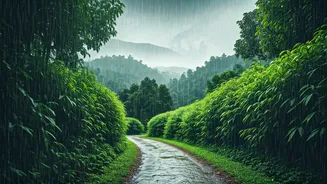
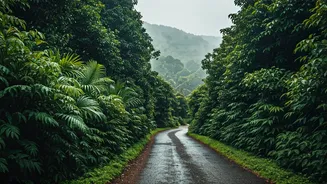
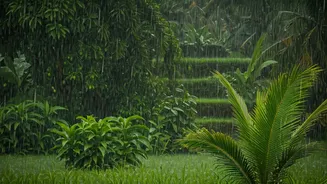
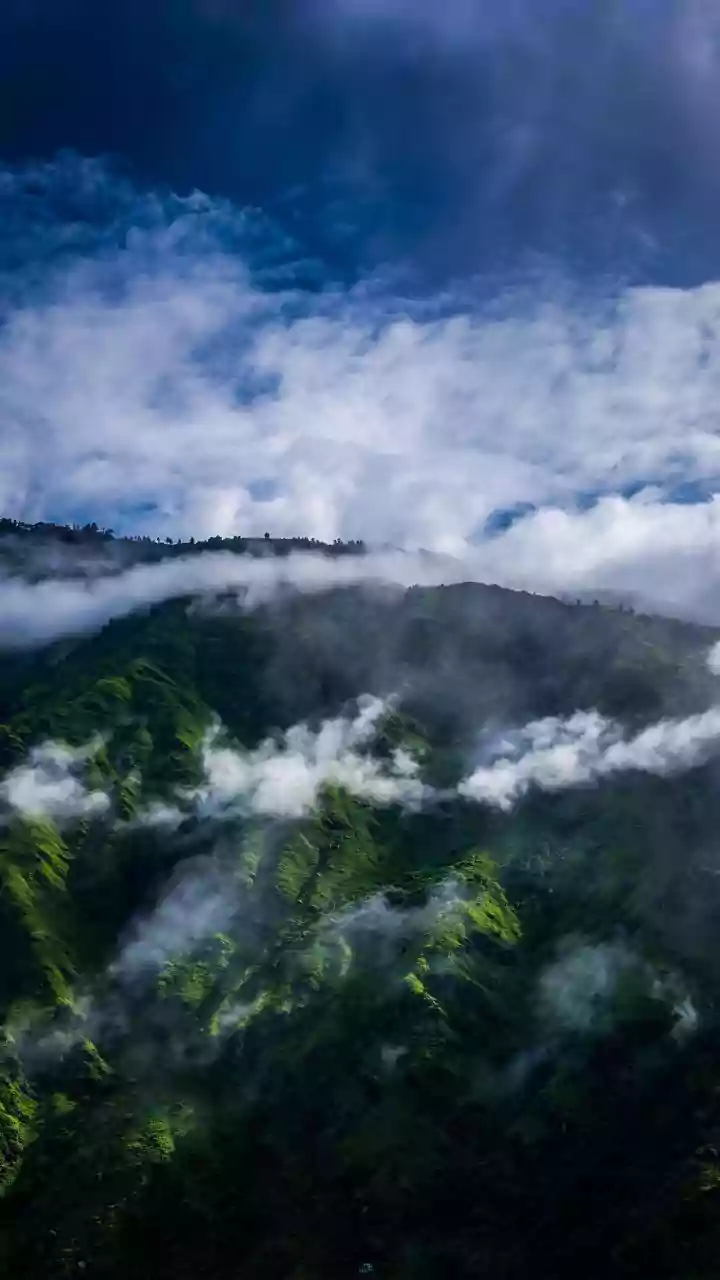
When the monsoon arrives in Kerala, typically from June to September, the entire state undergoes a dramatic transformation. [17] The dust settles, and a vibrant, impossible shade of green blankets everything from the rolling hills of Munnar and Wayanad
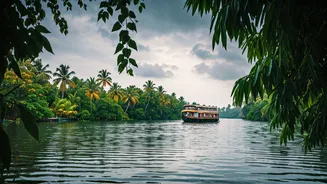
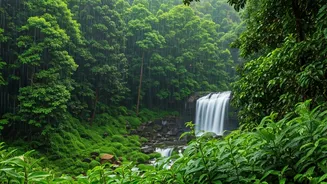
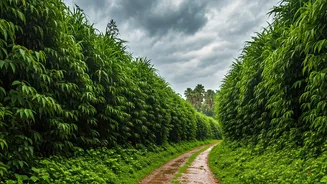
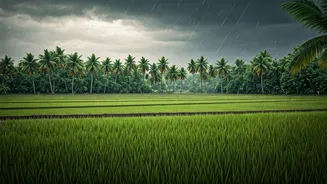
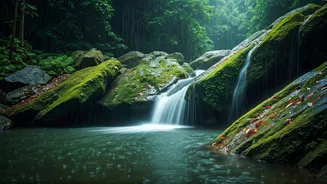
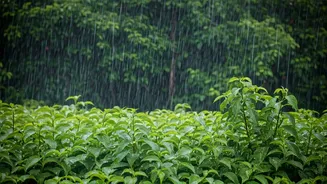
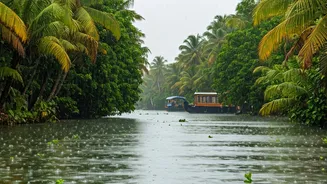
to the serene backwaters of Alleppey. [3, 4] This isn’t a time of non-stop, dreary rain; instead, expect a rhythm of intense showers followed by periods of soft, golden sunlight. [17] Waterfalls like Athirappilly, often called the "Niagara of India," are at their most powerful and spectacular during this season. [4, 6] The mist that clings to the tea plantations and the scent of wet earth create a deeply atmospheric and photographic experience that you simply don’t get during the dry, peak tourist months. [4, 24]
A Welcome Break for Your Wallet
One of the most compelling reasons a monsoon trip is 'smart' is the economic advantage. This period is considered the off-season, which means significant discounts on flights, hotels, and even houseboat rentals. [5, 16] Luxury resorts that might be prohibitively expensive from December to February can offer rates reduced by as much as 40-60%. [16, 24] This allows for a more luxurious experience on a smaller budget or frees up money for other activities, like shopping or indulging in more local cuisine. [2, 5] With fewer tourists, you'll find more choices and better service as providers compete for guests. [16]
Fewer Crowds, More Serenity
Popular destinations like the backwaters, Munnar's viewpoints, and Fort Kochi's historic streets can feel overwhelming during peak season. Visiting during the monsoon allows you to experience these iconic spots in relative peace. [2, 3] Imagine gliding through the backwaters of Alleppey or Kumarakom with only the sound of the rain for company, or exploring a tea estate without jostling for space. [17, 24] This tranquility allows for a more personal and authentic connection with the place and its people. [3] The beaches, while not suitable for swimming due to rough seas, become moody, beautiful landscapes perfect for quiet contemplation. [11]
The Ideal Time for Ayurvedic Rejuvenation
According to ancient Ayurvedic wisdom, the monsoon season is the absolute best time for rejuvenation therapies. [6, 17] The cool, moist, and dust-free atmosphere helps to open the body’s pores, making it more receptive to medicated oils and treatments. [6, 15, 25] This is why Kerala’s wellness retreats see a surge in visitors seeking 'Karkidaka Chikitsa', a specific set of monsoon wellness treatments designed to detoxify the body and boost immunity. [15, 23, 26] Therapies like Panchakarma are considered more effective during this period, providing deeper healing for joint pain, stress, and other ailments. [25, 26]
Vibrant Cultural Festivities
The monsoon season is far from quiet culturally. It’s a time for some of Kerala’s most unique and vibrant festivals. The 10-day Onam harvest festival, one of the state's most important celebrations, often falls in August or September. [2, 17] In 2026, the main day, Thiruvonam, is on August 26. [28] This is a time of incredible feasts (Onam Sadya), intricate flower carpets (Pookalam), and traditional dance performances. [2, 28] The season also hosts thrilling snake boat races, like the Nehru Trophy Boat Race in Alleppey, where massive, 100-foot-long boats with over 100 rowers compete fiercely. [2, 28]
A Note on Practicalities
While a monsoon trip is magical, it pays to be prepared. Heavy rains can occasionally cause travel delays or landslides in hilly regions like Munnar, so it's wise to build flexibility into your itinerary. [11, 12, 32] Pack lightweight, quick-drying clothes, a reliable raincoat, and waterproof footwear with good grip. [11] While most tourist spots remain open, it's always a good idea to check local weather advisories before heading out, especially for treks or waterfall visits. [11, 19] Despite these considerations, thousands of tourists safely enjoy the unique charm of a monsoon holiday in Kerala every year. [19]