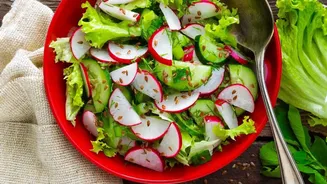

The Science of a Soggy Salad
The primary culprit behind a limp salad is simple science: osmosis. Salad dressings, particularly those containing salt and acid (like vinegar or citrus juice), are masters at drawing water out of vegetable cells. This process, called osmosis, causes
the plant cells to lose their internal water pressure, known as turgor pressure, which is what keeps them rigid and crisp. Once that pressure is gone, the leaves and vegetables become limp and wilted. Moisture is the enemy of crunch, whether it's from the dressing or from residual water after washing. Even oil can break down the waxy protective coating on lettuce, causing it to wilt. Understanding this process is the first step to preventing it.
Prep Your Greens, Then Keep Them Dry
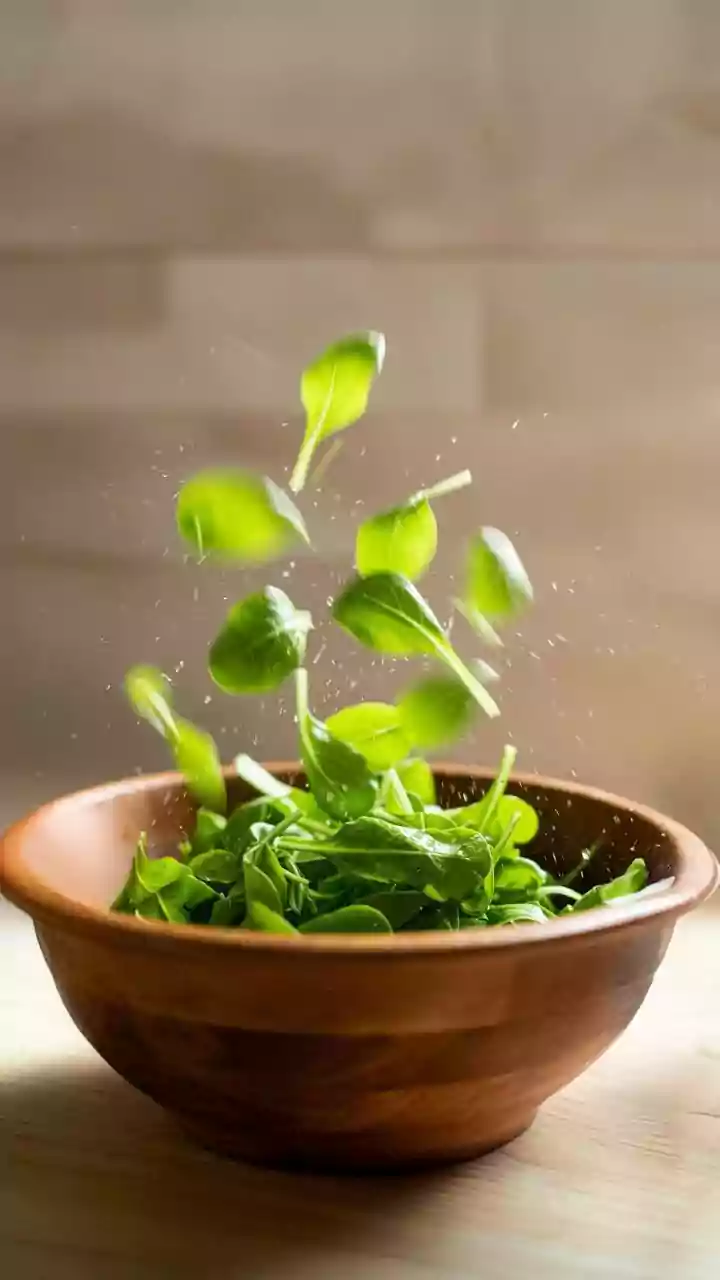
The foundation of most salads is the greens, and their preparation is critical. Always wash your greens thoroughly, but the most important step is to dry them completely. A salad spinner is the most effective tool for this, as it uses centrifugal force to fling water from every nook and cranny. If you don't have one, gently pat the leaves dry with a clean kitchen towel or paper towels. Any water left on the leaves will not only accelerate wilting but also prevent the dressing from adhering properly, resulting in a bland, watery salad. For make-ahead salads, storing dried greens in a container lined with a paper towel can absorb any extra moisture and keep them crisp for days.
The Golden Rule: Dress at the Last Minute
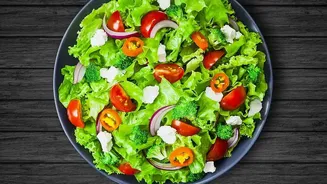
Given what we know about osmosis, the most impactful rule for salad success is to add the dressing just before serving. Tossing your salad in vinaigrette hours, or even 30 minutes, before eating is a guaranteed recipe for a droopy dish. When it's time to eat, place your greens in a large bowl and toss gently, starting with less dressing than you think you need; you can always add more. A pro tip is to pour the dressing down the sides of the bowl rather than directly onto the greens, which helps with a more even, gentle coating. For heartier greens like kale or cabbage, this rule can be bent, as their sturdy structure benefits from some time to marinate and soften slightly.
Layering for Success: Hardest First, Softest Last
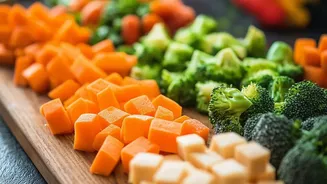
When you need to assemble a salad ahead of time, strategic layering is your best friend. This technique is especially popular for mason jar salads. The guiding principle is to keep wet ingredients away from delicate ones. Start with the dressing at the very bottom. The next layer should consist of hard, non-absorbent vegetables like carrots, cucumbers, bell peppers, or onions. After that, add grains, beans, or proteins. Finally, pile the delicate leafy greens and any crunchy toppings like nuts, seeds, or croutons at the very top, as far from the dressing as possible. This creates a barrier, ensuring everything stays separate and crisp until you're ready to shake it all together.
Timing Your Add-Ins
Beyond the greens and dressing, the timing for other ingredients matters, too. High-moisture items like sliced tomatoes, berries, and soft fruits should be added at the last minute to prevent them from leaching water and making everything soggy. The same goes for absorbent ingredients. Croutons, for example, will turn to mush if added too early. Keep them separate and toss them in right before you take your first bite to guarantee maximum crunch. Soft cheeses can also become watery, and avocados will brown when exposed to air, so both are best added just before serving.