




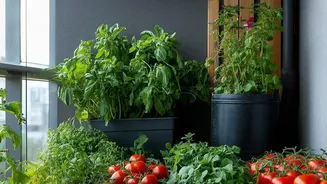

As the cool November air settles in, our balcony gardens enter a new phase. While plant growth may slow, the life beneath the surface is key. Nurturing your soil’s microscopic allies now is the secret to a thriving garden later.
The Unseen Heroes in Your Pots
Before we dive into the
'how', let's talk about the 'why'. Your potting soil is a living ecosystem, teeming with billions of microscopic organisms like bacteria and fungi. These microbes are not pests; they are essential workers. They break down organic matter into nutrients that your plants can absorb, improve soil structure for better aeration and water retention, and even help protect plants from diseases. As temperatures drop, microbial activity slows down significantly. They don't die off completely, but rather enter a state of dormancy, much like a bear hibernating. Our job as balcony gardeners is to ensure they have a safe, stable environment to ride out the cooler weather, so they're ready to spring back into action when it warms up.
Add a Cosy Blanket of Mulch
Mulch is a balcony gardener's best friend in winter. A layer of organic material on top of the soil acts like a protective blanket. It insulates the soil, buffering it from drastic temperature swings and preventing it from drying out too quickly. This stable environment helps keep the microbial population active for longer. For containers, lightweight options are ideal. Dried leaves, straw, pine bark, or even coconut coir (husk fibres) are excellent choices. As these organic mulches slowly break down, they provide a continuous food source for the soil microbes, enriching the soil over the winter months. Apply a layer of about one to two inches, making sure to keep it away from the direct stem of the plant to prevent rot.
Feed the Soil, Not Just the Plant
Cooler weather is the perfect time to focus on building soil health rather than pushing for plant growth. Instead of liquid chemical fertilizers, turn to organic amendments that feed the soil life. Adding a top layer of finished compost or vermicompost (worm castings) is one of the best things you can do. These materials are rich in organic matter and beneficial microbes. Water will slowly carry the nutrients and microbes down into the root zone. A 1:4 ratio of compost to potting soil is a good general guideline when refreshing pots. This 'slow-release' meal nourishes the microbial community throughout the season, ensuring your soil is fertile and alive when spring arrives. Even if you're not repotting, a simple top dressing of compost can make a world of difference.
Protect Your Pots from the Chill
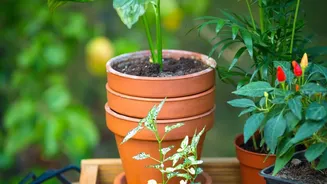
Plants in containers are more vulnerable to temperature fluctuations than those in the ground because their roots are exposed on all sides. Container soil can cool down much faster, sending microbes into early dormancy. To mitigate this, group your pots together. Clustering them creates a microclimate, reducing heat loss from the sides of the pots. For particularly sensitive plants or in colder regions of India, you can wrap pots in insulating materials like burlap or bubble wrap to provide extra protection. Moving pots to a sheltered location, like against a wall, can also protect them from cold winds and help maintain a more stable soil temperature.
Rethink Your Watering Routine
Overwatering is a major risk in cooler weather. Plant growth slows, and so does their water uptake. At the same time, evaporation from the soil surface decreases. Consistently wet, cold soil is a recipe for root rot and creates an anaerobic (low-oxygen) environment that is harmful to beneficial microbes. Before you water, check the soil moisture. Stick your finger a couple of inches deep; if it feels damp, wait a few more days. When you do water, do so thoroughly until water runs out of the drainage holes, but do it less frequently. This ensures the roots get a good drink without being constantly saturated. Watering in the morning is also advisable, as it allows the plant and soil surface to dry a bit before the colder night temperatures set in.