



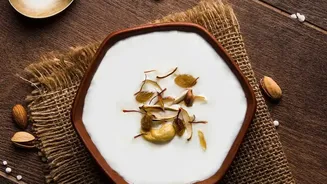
The All-Natural Powerhouse: Nuts
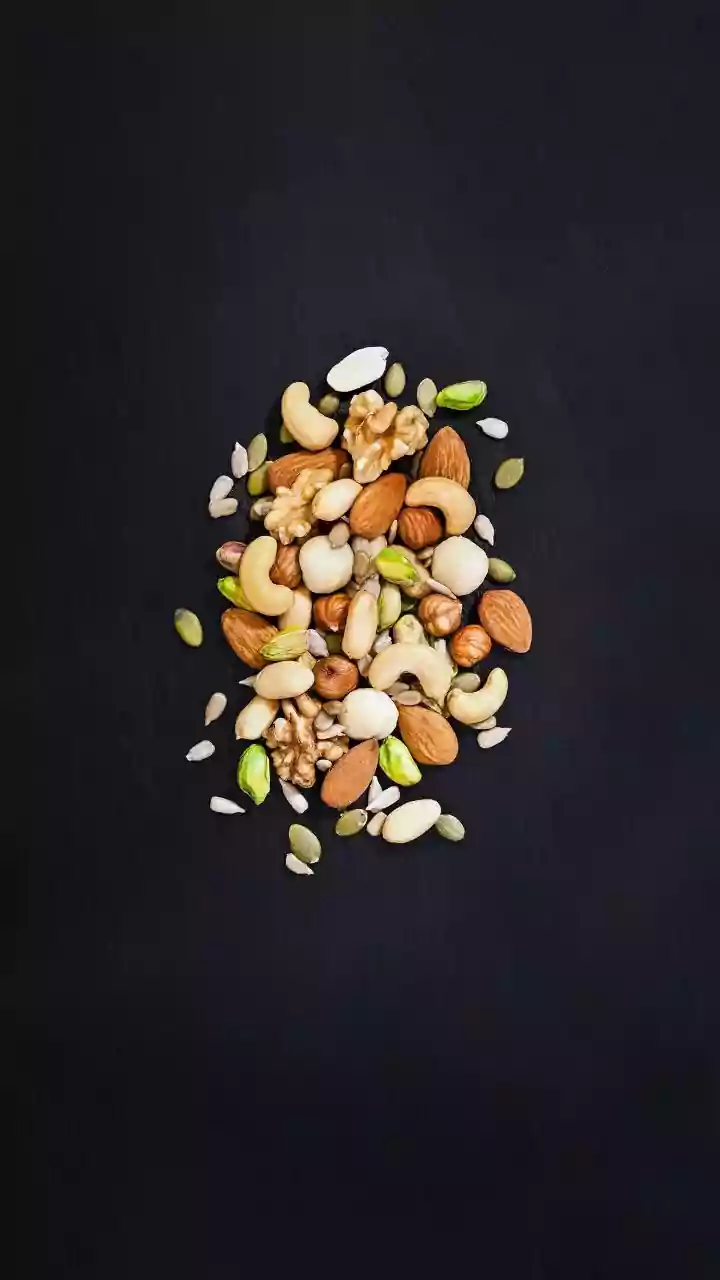
Nuts, such as almonds and walnuts, are nature's original superfood snack. They are calorie-dense, primarily because of their high content of healthy fats, including heart-friendly monounsaturated and polyunsaturated fats. A 100-gram serving of almonds,
for example, contains around 579 calories, 49.9 grams of fat, and a significant 21.2 grams of protein. This combination of fat and protein makes them incredibly satiating, helping to keep you full for longer periods. Nuts are also excellent sources of essential micronutrients. Almonds are packed with Vitamin E, an important antioxidant, and both almonds and cashews provide a good dose of magnesium, which is vital for muscle and nerve function. However, their high calorie count means portion control is key, especially if you are managing your weight. A small handful is a perfect snack for sustained energy, but it's easy to overdo it.
The Light & Crunchy Contender: Makhana
Makhana, also known as fox nuts or lotus seeds, have surged in popularity as a light, guilt-free snack. Their biggest advantage is their low calorie and fat content. A 100-gram serving of plain roasted makhana contains about 347 calories, a substantial 14.5 grams of fibre, and less than a gram of fat. This makes them an excellent choice for 'volume eating', where you can enjoy a full bowl for relatively few calories. Nutritionally, makhana offers a decent amount of protein, around 9-10 grams per 100g, and is a good source of minerals like magnesium, potassium, and calcium. They are naturally gluten-free and have a low glycemic index, which helps in managing blood sugar levels. The key to keeping makhana healthy is in the preparation; opt for dry-roasted or minimally seasoned versions over those fried in ghee or oil, which can quickly add calories and fat.
The Convenience King: Protein Bars
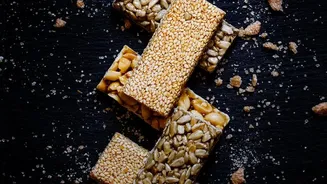
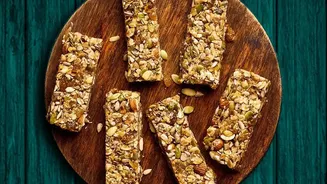
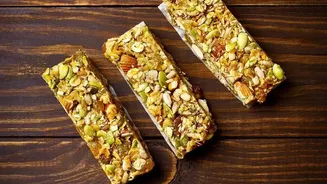
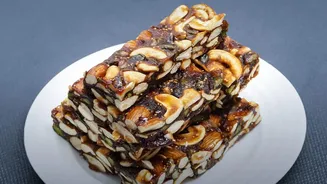
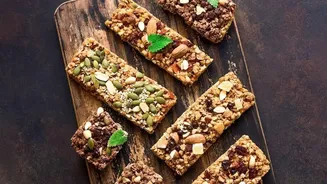
Protein bars are the ultimate grab-and-go snack, designed specifically to deliver a high dose of protein quickly. An average bar can offer anywhere from 10 to over 20 grams of protein, making them a popular choice for post-workout recovery or for professionals with a busy schedule. However, not all protein bars are created equal. Many are highly processed and can contain hidden sugars, artificial sweeteners, sugar alcohols, and a long list of additives. While they score high on protein and convenience, they often lack the fibre and micronutrients found in whole foods like nuts and makhana. Reading the ingredient label is crucial. The best bars are made from whole-food ingredients with minimal added sugar. They serve a specific purpose—quick protein delivery—but shouldn't be relied upon to replace balanced, nutrient-rich meals.
The Nutritional Face-Off: Which to Choose?
So, how do you decide what's right for you? It all comes down to your individual goals. For building muscle and sustained energy, nuts are a fantastic choice due to their high protein and healthy fat content, though you must watch your portions. For weight management and a satisfying, low-calorie crunch, makhana is the clear winner; its high fibre and low fat content keep you full without derailing your diet. Protein bars excel in convenience and are ideal for a quick protein boost after a workout, but it’s essential to choose them wisely to avoid excess sugar and artificial ingredients. Think of it this way: nuts provide satiating power, makhana offers a light and airy crunch, and protein bars deliver targeted nutrition in a pinch.