







An Emotion in a Cup
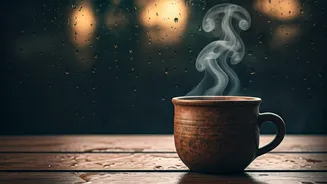
To call masala chai a mere beverage is to miss the point entirely. In India, chai is a feeling, a ritual, and a constant companion. It is the default offering to any guest, the mandatory break from a long workday, the perfect remedy for a rainy afternoon,
and the reliable fuel for late-night study sessions. The phrase ‘chai-paani’ (tea and water) is synonymous with hospitality, an unspoken contract of warmth and welcome offered within minutes of a guest arriving. It transcends social strata, economic divides, and regional differences, acting as a great unifier in a country of immense diversity. It’s the one thing almost everyone can agree on.
The Art of the Perfect Brew
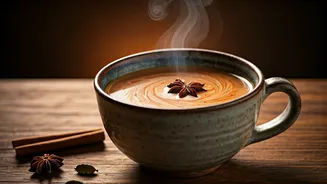
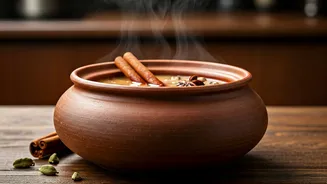
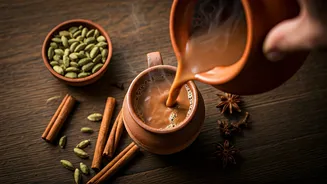
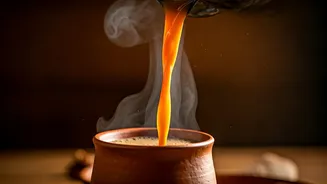
While the world knows it as ‘chai tea’ (a redundant phrase, since chai means tea), for Indians, it’s simply chai. The ‘masala’ refers to the blend of spices that gives it a distinctive character. The foundation is strong black tea, typically CTC (Crush, Tear, Curl) grade, which is boiled, not steeped. To this, whole milk and a generous amount of sugar are added, creating a rich, creamy, and sweet base. The magic, however, lies in the spice mix. Freshly grated ginger and crushed cardamom are the non-negotiable pillars. From there, the recipe becomes a family secret, a personal signature. Cinnamon, cloves, black peppercorns, and star anise might join the party, simmered together until the kitchen is filled with a fragrant cloud of comfort. Every household has its own perfect ratio, a testament to chai’s deeply personal nature.
The Ultimate Social Lubricant
Chai is the engine of social life in India. Office breaks are ‘chai breaks,’ where hierarchies briefly dissolve over steaming glasses. Important business deals have been sealed over a cup, and political debates find their fire at roadside 'tapris' (stalls). When friends meet, the first question is often, “Chai peene chalein?” (Shall we go for a chai?). It’s an invitation not just to drink tea, but to connect, to share stories, to listen, and to simply be together. This humble drink facilitates millions of daily interactions, providing a neutral ground for everything from casual gossip to profound discussions. It’s the pause button in a fast-paced life, creating space for human connection.
From 'Cutting Chai' to Cafes
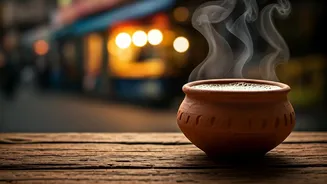
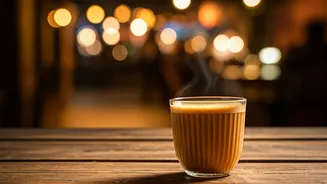
The accessibility of chai is key to its ubiquity. The most iconic form is the ‘cutting chai’ of Mumbai—a half-glass of strong, sweet tea sold by a ‘chaiwala’ for a few rupees. It’s a quick, potent shot of energy for the working class, from taxi drivers to delivery boys. These roadside stalls are the lifeblood of the city, serving as community hubs. Yet, chai is not confined to the streets. In recent years, a new wave of modern, aesthetic chai cafes has emerged, offering artisanal blends and gourmet accompaniments. They cater to a younger, more globalised crowd, re-imagining the traditional drink for a new generation. This spectrum, from a humble streetside glass to a carefully curated pot in a chic cafe, shows chai’s incredible ability to adapt and remain relevant across all contexts.