






The Headline-Grabbing Claim
A few years ago, a study published in the journal Appetite caught the media's attention with a provocative finding. Researchers from Austria surveyed nearly 1,000 people, assessing their food preferences and having them complete personality questionnaires.
The results showed a positive correlation between a preference for bitter tastes—like those in coffee, tonic water, and radishes—and malevolent personality traits. Specifically, the strongest links were found with psychopathy, narcissism, and everyday sadism, which is the tendency to derive pleasure from others' suffering. Naturally, headlines simplified this to suggest that if you enjoy bitter foods, you might just be a psychopath.
The Crucial Difference: Association vs. Causation
This is where we need to pump the brakes and talk about two words that are often confused in health reporting: association and causation. An association, or correlation, simply means two things happen together. A cause means one thing makes the other happen. The study on bitter foods found an association, not a cause. Think of it this way: sales of ice cream are strongly correlated with the number of drownings. Does this mean ice cream causes people to drown? Of course not. A third factor, hot weather, leads to both more swimming and more ice cream consumption. This is called a confounding variable, and it's a critical concept to grasp when reading about any scientific study.
So, What's Really Going On?
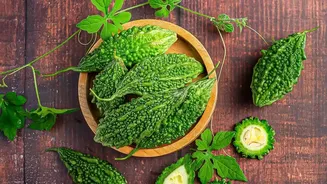
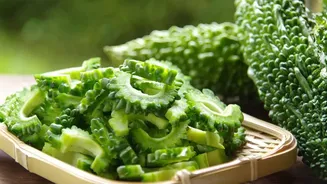
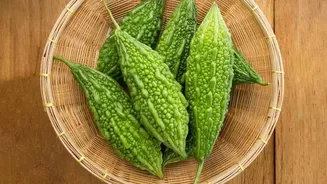
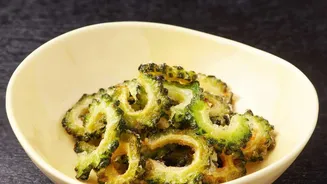
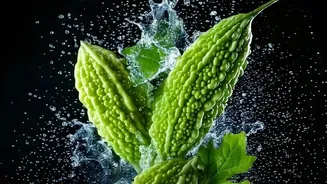
If enjoying bitter gourd doesn't cause someone to be a narcissist, what could explain the link found in the study? Researchers have a few ideas. One is that people high in certain traits, like sensation-seeking, might enjoy a wide range of experiences, including tasting intense or unusual flavours. One of the study's authors suggested that for some, eating bitter foods might be like enjoying a rollercoaster ride—a safe way to experience something that induces fear or feels dangerous. From an evolutionary standpoint, a bitter taste often signals that a plant is toxic, so an aversion to it is a protective mechanism. Overriding that natural signal could be seen as a form of thrill-seeking. Furthermore, taste perception is incredibly complex, influenced by genetics, culture, and personal experience.
Why This Matters for Your Health News
The bitter food study is a perfect case study for how to be a smarter consumer of health and science news. This same issue of confusing correlation with causation happens constantly with nutrition research. One week, headlines might scream that coffee causes a terrible disease; the next, a different study will find coffee is associated with a longer life. The reality is that most of these are observational studies, which are excellent at identifying patterns and potential links but cannot prove cause and effect on their own. They can't easily account for the countless other lifestyle factors that might be at play. Do people who drink more coffee also walk more, sleep less, or have more stressful jobs? These are all potential confounding variables.
Be a Curious, Critical Reader
You don't need a PhD to read science news more effectively. First, notice the language. Words like "linked," "associated with," and "correlated" are clues that the research is showing a connection, not a cause. Be skeptical of headlines that use strong verbs like "proves," "causes," or "cures." Second, remember that a single study is never the final word. Science is a slow, incremental process. Look for a consensus of evidence from multiple studies over time. Finally, don't let a single, sensational headline change your entire lifestyle or make you panic about your food choices.