

The Flavour Showdown: Caramelized vs. Clean
The most significant difference between roasting and boiling lies in the flavour. Roasting uses dry heat, which encourages both caramelization of natural sugars and the Maillard reaction, a chemical process between amino acids and sugars that creates
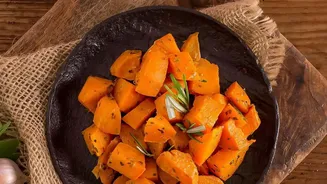
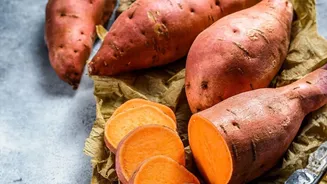
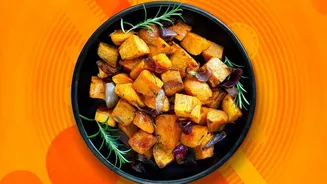
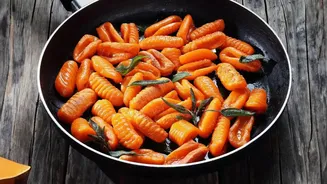
deep, complex flavours. For sweet potatoes, this means their inherent sweetness is intensified, resulting in a rich, dessert-like quality. For butternut squash, roasting brings out its nutty, earthy notes, creating a savoury and fragrant profile. Boiling, a wet-heat method, does the opposite. Submerged in water, the vegetables cook without browning. This mutes their dominant flavours, leading to a cleaner, milder, and more vegetal taste. A boiled sweet potato is less intensely sweet than its roasted counterpart, while a boiled butternut squash has a more delicate, squash-forward flavour. The choice depends entirely on your goal: roast for a bold, concentrated taste and boil for a subtler, purer one.
A Tale of Two Textures: Firm vs. Soft
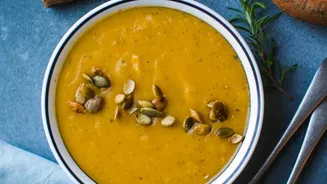
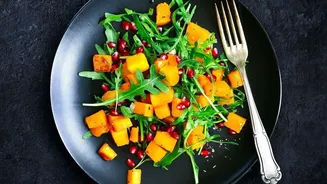
Texture is just as crucial as flavour, and here again, the methods diverge significantly. Roasting removes moisture, concentrating the flesh of both vegetables. This results in a denser, firmer texture. The outside of roasted cubes can become delightfully crisp and browned at the edges, while the inside remains soft and fluffy, creating a pleasing contrast. This makes roasted pieces ideal for adding to salads, grain bowls, or serving as a standalone side dish. Boiling, by contrast, introduces moisture. This makes both sweet potatoes and butternut squash incredibly soft, creamy, and tender. However, it can also lead to a watery or mushy consistency if they are overcooked. This soft texture is not a drawback but an asset when your goal is a smooth purée, a creamy soup, or a simple mash. For dishes requiring a velvety consistency, boiling is the superior method.
The Nutritional Angle
From a nutritional standpoint, the differences can be significant. The main issue with boiling is the loss of water-soluble nutrients, such as Vitamin C and B vitamins, which can leach into the cooking water. How much is lost depends on cooking time and whether the vegetable is cubed or whole, but some reduction is inevitable unless you consume the cooking liquid, as in a soup. Conversely, boiling sweet potatoes may lower their glycemic index, causing less of a blood sugar spike compared to roasting. Roasting tends to retain more nutrients overall, especially fat-soluble vitamins like Vitamin A (beta-carotene), which is abundant in both vegetables. In fact, roasting with a healthy oil can even enhance the absorption of beta-carotene. It's also worth noting that much of the antioxidant power and fibre is found in the skin, which is more palatable when roasted and becomes soft enough to eat.
Ease of Prep and Best Use Cases
When it comes to kitchen workflow, each method has its pros and cons. Roasting generally takes longer—often 30 to 45 minutes in the oven—but is largely hands-off once the vegetables are prepped. You simply chop, toss with oil and seasonings, and spread on a baking sheet. Boiling is faster, typically taking around 20 minutes for cubed pieces, but it may require more active monitoring to prevent them from becoming too soft. For sweet potatoes, roasting is perfect when you want caramelized cubes for a hash or a hearty salad. Boiled sweet potatoes are excellent for making a creamy mash or as a gentle ingredient in baby food. For butternut squash, roasting enhances its nutty flavour, making it a perfect side for roasted meats or the star of a warm salad. Boiled butternut squash is the ideal base for a velvety, blended soup or a smooth purée to be used in casseroles and bakes.