



The Classic Choice: Nut Pastes
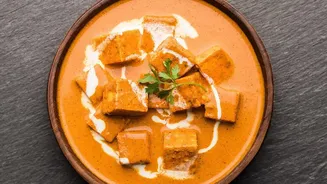
One of the most traditional and effective ways to create a creamy, dairy-free curry is with a paste made from nuts. Cashews are the star player here; when soaked in hot water and blended, they transform into a silky-smooth cream with a neutral, slightly
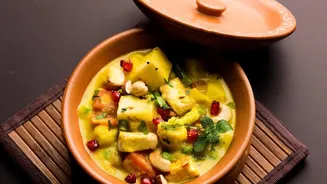
sweet flavour that doesn't overpower the spices. Historically, cashew paste was a preferred method for adding richness to Indian curries long before dairy cream became common in restaurant-style dishes. To use them, simply soak raw cashews in hot water for at least 20-30 minutes, then blend them with a little fresh water until you have a thick, luxurious paste. Stir this into your curry towards the end of the cooking process to thicken the gravy and give it a velvety finish perfect for dishes like a Navratan or Malai Kofta. Almonds can also be used, though they are best blanched and peeled first to ensure a smooth, pale cream.
The Power of Seeds
Don't underestimate the power of seeds to create body and a unique flavour profile in your curries. White poppy seeds, known as 'khus khus' in India, are a traditional thickening agent, especially in Bengali cuisine for dishes like Aloo Posto. When soaked and ground into a paste, they lend a distinct nutty flavour and a creamy consistency. Similarly, melon seeds (magaz) and even sunflower seeds can be soaked and blended to create a rich, emulsified base for gravies. These seed pastes not only thicken the sauce but also contribute healthy fats and a more complex, earthy flavour than some nut-based creams. For the best results, toast the seeds lightly before soaking to enhance their nutty aroma, then grind them with a small amount of water to form a smooth paste.
The Obvious Go-To: Coconut Milk
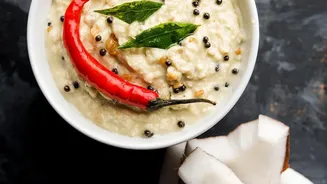
Coconut milk is perhaps the most famous dairy-free alternative for creamy curries, and for good reason. It's a cornerstone of South Indian and many Southeast Asian cuisines, pairing beautifully with spices like turmeric, curry leaves, and mustard seeds. For a truly rich and indulgent sauce, always opt for full-fat coconut milk. The key is to add it towards the end of the cooking process and to avoid boiling it vigorously, which can cause it to split and lose its delicate flavour. While it imparts a distinct coconut flavour, this is often a welcome addition to many vegetable, lentil, and seafood curries, lending a subtle sweetness that balances the heat of the chillies.
The Smart Secret: Vegetable Purees
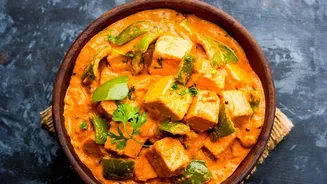
As the headline suggests, a simple cooked vegetable puree can work wonders for adding body and a subtle creaminess to your curry. This technique relies on the natural starches found in many vegetables. Boiled and pureed potatoes, pumpkin, winter squash, or even cauliflower can be stirred into a gravy to thicken it naturally. The slow-cooked onion and tomato base of most Indian curries already provides a great starting point; cooking onions gently until they are deeply golden and almost melting creates a foundational richness. Blending a portion of the cooked curry base itself—onions, tomatoes, and all—and then adding it back to the pot is another professional trick to create a smoother, more homogenous sauce without any extra ingredients.
Lentils and Legumes for Body
Lentils and legumes aren't just for dal. A puree of cooked lentils (like red masoor dal) or even beans like chickpeas can be used to add significant body and a creamy texture to a curry. This method adds both protein and fibre, making the dish more substantial and nutritious. You can simply add a spoonful of cooked dal to your curry or blend a small amount of canned chickpeas with a little water and stir it into the sauce. This is an excellent, allergy-friendly option for those who cannot have nuts or coconut. It works particularly well in robust, spice-forward curries where the subtle flavour of the legumes will blend in seamlessly.
Modern Plant-Based Alternatives
The world of dairy-free cooking has expanded rapidly, offering convenient modern solutions. Plant-based yogurts, particularly those made from soy or oats, can be used to replicate the tang and creaminess of traditional dahi in marinades and gravies, though it's best to choose one with a neutral flavour. Similarly, commercially available oat cream or soy cream can be stirred in at the end for a quick and easy creamy finish. Another innovative approach involves blending silken tofu with a little plant-based milk until completely smooth; this creates a high-protein, neutral-flavoured cream that can be added to any curry to achieve a luscious texture without a high fat content.