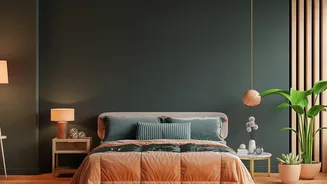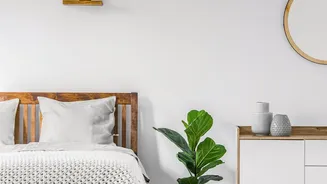






A small bedroom can feel like a puzzle with no solution. It's not just about the limited square footage; it's about making the room feel calm, practical, and uncluttered. The good news is that you don't need a bigger room, just smarter ideas.
The Fact About Bed Placement
The common
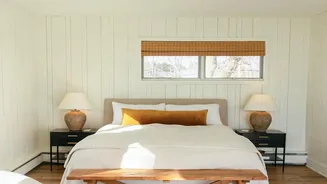
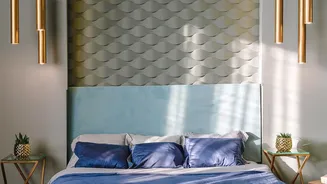
impulse is to push the bed into a corner to save space. While this can work, the fact is that the most impactful layout often involves centering the bed on the main wall, usually the one you see when you walk in. This creates a sense of symmetry and order, which makes a room feel calmer and more intentional. It also ensures you have clear pathways on either side, which designers suggest should be at least 70cm for comfortable movement. Centering the bed establishes a natural focal point, anchoring the room and making subsequent furniture placement easier. If space is extremely tight, pushing the bed against one wall is an option, but try to leave one side accessible to avoid feeling completely boxed in. The goal is to create flow, and a clear path around the most important piece of furniture is the first step.
The Fact About Vertical Space
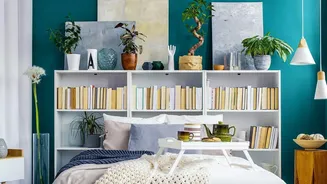
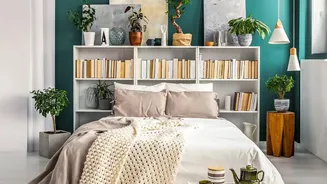
When floor space is limited, the only way to go is up. The fact is that using vertical space is one of the most effective strategies for making a small room functional. This isn't just about adding a tall bookcase. Think about replacing bulky floor lamps with wall-mounted sconces to free up corners. Use floating shelves for books and decor, which offer storage without consuming any floor footprint. Consider a wardrobe or storage unit that goes all the way to the ceiling; this draws the eye upward, creating an illusion of height, and provides significantly more storage than a standard-height piece. Even installing a single, high shelf that runs around the perimeter of the room, just below the ceiling, can create a massive amount of storage for items you don't use daily, without making the room feel crowded.
The Fact About Double-Duty Furniture
In a small bedroom, every piece of furniture should earn its keep. The fact is, single-use items are a luxury you can't afford. The solution is multi-functional furniture, where every item serves at least two purposes. A bed with built-in drawers or a hydraulic lift mechanism offers an enormous amount of hidden storage for seasonal clothing or extra bedding, effectively replacing a bulky dresser. An ottoman at the foot of the bed can provide seating as well as a place to hide away blankets or shoes. A small desk can double as a vanity, and some modern Murphy beds even incorporate a desk or shelving into their design, allowing a room to transform from a bedroom to an office in seconds. By choosing fewer, smarter pieces, you reduce clutter and increase functionality without sacrificing style.
The Fact About Furniture with Legs
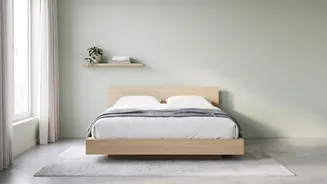
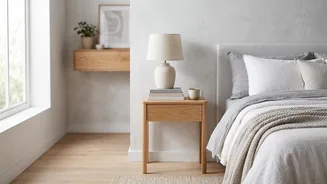
It may seem like a minor detail, but the fact is that choosing furniture with visible legs can dramatically change the perception of space in a small room. When you can see the floor flowing underneath a bed frame, nightstand, or dresser, the room feels lighter, airier, and more open. Bulky, solid furniture that sits directly on the floor can feel heavy and visually shrink the room. In contrast, 'leggy' furniture creates an illusion of more floor space. This simple visual trick works by reducing the 'visual weight' of each piece. Slim metal or tapered wooden legs are particularly effective. This principle allows you to have appropriately scaled furniture without it dominating the room, proving that the silhouette of your furniture is just as important as its footprint.
The Fact About Using Mirrors and Light
We've all heard that mirrors make a room look bigger, but the fact is that their placement is what makes the magic happen. A large mirror placed directly opposite a window will reflect natural light, effectively doubling the amount of light and creating a profound sense of depth. Mirrored wardrobe doors are another brilliant two-for-one solution, providing necessary storage while visually expanding the space. Beyond mirrors, a layered lighting plan is crucial. A single overhead light can cast harsh shadows and make a room feel flat. Combining it with wall mounted reading lights or bedside table lamps creates warmth and dimension. Finally, stick to a light and consistent colour palette on the walls and ceiling. Soft neutrals and pale tones reflect more light, making the boundaries of the room feel less defined and the space more open.