








Plan Before You Book
The best defence against monsoon disruption starts before you even pay for a ticket. When planning a trip between June and September, consider destinations that are less prone to extreme weather. While the Western Ghats are stunning, they are also notorious
for landslides and heavy rainfall. [5] Consider booking flights or trains with flexible or refundable fares. They may cost slightly more, but the peace of mind and ability to change your plans without a hefty penalty are invaluable during this unpredictable season. Travel insurance that covers weather-related cancellations and delays is also a wise investment. Read the policy carefully to understand what is covered. Some policies offer specific protection against disruptions caused by natural events like monsoons.
Your Pre-Travel Tech Toolkit
In the week leading up to your trip, technology is your best friend. Download essential apps to stay informed. A reliable weather app like IMD Weather or AccuWeather is non-negotiable. [7] For train travel, the official IRCTC Rail Connect and NTES apps are crucial for booking, checking your PNR status, and tracking live train running status, which is vital when delays are common. [4, 20] For flights, your airline's app will provide the fastest updates on delays and gate changes. [13] For road travel, Google Maps is a lifeline, but also consider Maps.me for its offline capabilities, which are a lifesaver in remote areas with poor connectivity. [4]
Navigating Flight Delays and Cancellations
Monsoon travel often means flight delays, with some airports experiencing a 30-40% delay rate during these months. [9] Heavy rain reduces visibility and leads to cascading delays, where a small morning delay snowballs throughout the day. [3, 8] This is why booking the first flight of the morning is a smart strategy, as these flights are less likely to be affected by accumulated delays. [8] If your flight is delayed or cancelled, know your rights under DGCA regulations. For significant delays, airlines are required to provide meals and refreshments. [17] In case of an overnight delay, they must provide accommodation. [22] If a flight is cancelled, you are entitled to a full refund or rebooking on the next available flight. [7, 9] Keep all your travel documents handy and communicate clearly with airline staff. [19]
When Your Train Goes Off-Track
Indian Railways is the backbone of the country, but the monsoon can be its biggest challenge. Waterlogging on tracks, landslides in hilly regions, and damage to infrastructure can lead to widespread cancellations and diversions. [23] As recently as June 2026, heavy rains in Mumbai led to the cancellation of dozens of local train services, causing massive disruption. [24, 25] Always check your train's status on the NTES app or by calling the 139 helpline before leaving for the station. [20] If your train is cancelled, automatic refunds are processed for online tickets, while those with counter tickets need to apply for a refund at a reservation counter. [20] During this season, it is also important to use footwear with a good grip as station platforms can become very slippery. [23]
The Realities of a Monsoon Road Trip
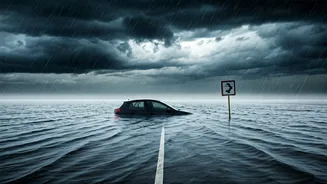
A road trip during the monsoon offers breathtaking views of lush landscapes and roaring waterfalls, but it demands extreme caution. [10, 12] Before you start, get your vehicle thoroughly checked—especially tyres, brakes, and wipers. [6] Pack an emergency kit including a flashlight, first aid, and a portable tyre inflator. [2] Drive slowly, maintain a safe distance from the vehicle in front, and avoid driving at night when visibility is at its worst. [2] Be extremely wary of waterlogged roads and listen to local advisories about landslides, particularly in hilly areas like the Ghats. [5] Some routes, like those around Munnar, are prone to landslides, so sticking to main highways and avoiding unverified shortcuts is crucial. [5]