






What are Post-Flight Checks?
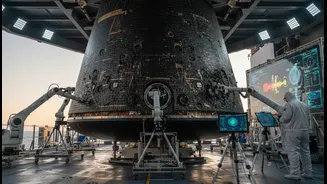
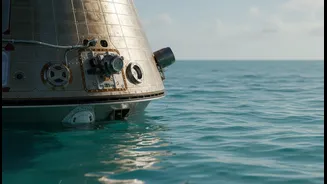
After the Orion capsule splashes down in the Pacific Ocean and is recovered by the U.S. Navy, it doesn't just go into a museum. The spacecraft is transported back to NASA's Kennedy Space Center for a painstaking disassembly and analysis process. This
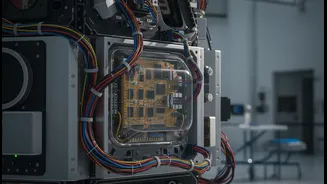
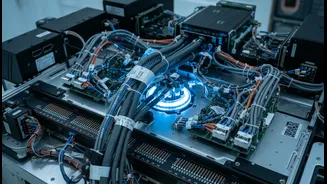
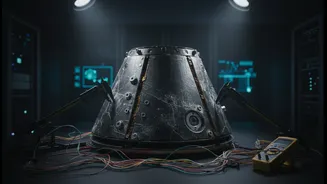
involves engineers and technicians examining every component, from the heat shield to the life support systems, crew suits, and internal electronics. They will collect data from thousands of onboard sensors, review flight telemetry, and physically inspect hardware to see how it held up against the harsh environment of deep space and the fiery reentry through Earth's atmosphere. This process is less about a simple pass/fail grade and more about gathering crucial data to validate and improve the systems for future missions, most notably Artemis III, which is planned to land humans back on the Moon.
The Heat Shield Story: Wear vs. Worry
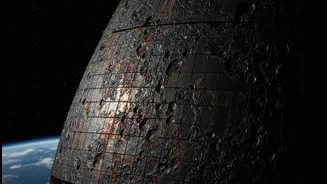
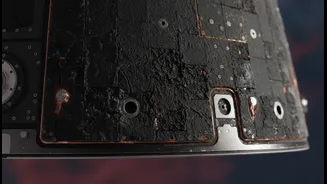
The most scrutinized component will undoubtedly be the 16.5-foot-wide heat shield. During its return from the Moon, Orion will slam into the atmosphere at nearly 40,000 km/h, generating temperatures half as hot as the sun's surface. The heat shield is designed to ablate, or burn away in a controlled manner, to protect the capsule and its crew. After the uncrewed Artemis I flight, inspections revealed unexpected char loss, where more material than predicted broke off during reentry. NASA engineers determined this was caused by gases building up within the shield's material. So, for Artemis II, a key point of analysis will be to see if modifications and a different reentry profile solved the issue. Hype might focus on any visible scorching or charring as a sign of trouble, but some level of ablation is normal. The useful context is whether the wear matches engineering models and if there's any unexpected erosion, especially in critical areas.
Finding Flaws Is Part of the Plan
Artemis II is, fundamentally, a test flight—the first to carry humans in the Orion capsule. A common misconception is that a successful test mission must be a “perfect” one. In reality, the primary goal is to learn. Engineers expect to find things that didn't work exactly as planned. After Artemis I, for instance, analysis of the launch platform revealed more damage than anticipated, leading to repairs and reinforcements for Artemis II. Likewise, if post-flight checks on Orion reveal an underperforming valve, a leaky seal, or a software glitch, it isn’t necessarily a failure. It's valuable data. The hype might declare any discovered anomaly as a crisis that dooms the program. The context is that finding and fixing these issues before attempting a lunar landing is precisely why these test flights are conducted.
Beyond the Capsule: Human and System Data
The post-flight analysis goes far beyond the spacecraft hardware. A significant portion of the mission is dedicated to understanding how the deep space environment affects the human body. The four astronauts are part of numerous experiments, with data collected on their radiation exposure, stress levels, sleep patterns, and cognitive performance. This bio-data is just as important as the engineering telemetry. Additionally, teams will analyze the performance of the entire ecosystem of support, from the Space Launch System (SLS) rocket's performance to the ground systems and recovery operations. Hype often centers on the dramatic moments of the flight. The real context lies in the terabytes of performance data from all systems—human and hardware—that will inform the safety and success of humanity's sustained return to the Moon.