



Understanding the 'Temperature Danger Zone'
The single most important concept in food safety is the 'temperature danger zone'. According to food safety authorities like the FSSAI and WHO, this is the temperature range between 5°C and 60°C. Within this zone, harmful bacteria such as E. coli, Salmonella,
and Staphylococcus aureus can multiply rapidly, sometimes doubling in number in as little as 20 minutes. When you leave your freshly cooked dal, sabzi, or rice on the kitchen counter, it enters this danger zone as it cools. While the food might look and smell perfectly fine, these invisible bacteria can be growing to dangerous levels, significantly increasing the risk of food poisoning.
The Crucial Two-Hour Rule
So, how long is too long? The universal guideline from food safety experts is a maximum of two hours. Cooked food should not be left at room temperature for more than two hours from the time it finishes cooking. This window is the total time the food spends in the danger zone. If the ambient temperature is particularly high, such as during Indian summers when it can exceed 32°C (around 90°F), this window shrinks to just one hour. Anything left out longer should be discarded to be safe. It might feel wasteful, but it's a small price to pay to avoid a nasty bout of foodborne illness.
Why Large Batches Need Extra Care
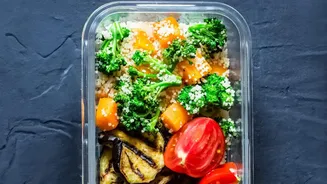
Meal prepping often involves cooking in large quantities. A big pot of rajma or a large tray of biryani cools much slower than a small portion. This is a hidden risk. If you place a large, hot container directly into the refrigerator, it can take many hours to cool down to a safe temperature below 5°C. During this extended cooling period, the core of the food remains in the danger zone, allowing bacteria to thrive. Furthermore, placing a very hot item in the fridge can raise the internal temperature of the appliance, potentially putting other stored foods at risk.
Best Practices for Rapid Cooling
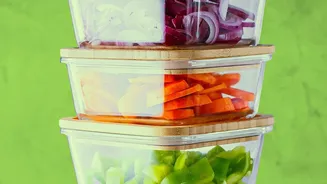
The goal is to get your cooked food through the danger zone as quickly as possible. The most effective method is to increase the surface area. Instead of storing food in one large, deep container, divide it into several smaller, shallow ones. This allows heat to dissipate much faster. You can speed up the process even more by placing these shallow containers in an ice water bath in your sink for a few minutes before refrigerating. Stirring the food occasionally will also help release heat more evenly. Once the food has stopped steaming, it can be loosely covered and placed in the fridge. After it has completely cooled, you can secure the lids tightly.
Safe Storage and Reheating
Your refrigerator should be set to 5°C or below to effectively slow bacterial growth. Once properly cooled and stored in airtight containers, most cooked meal-prepped dishes can be safely kept for 3 to 4 days. Always store cooked food on a shelf above raw meats or vegetables to prevent cross-contamination from dripping juices. When it's time to eat, reheat your meal thoroughly to an internal temperature of at least 74°C or 75°C to kill any bacteria that might have developed. If using a microwave, ensure the food is heated evenly, stirring partway through.