





Understanding the Current Risk
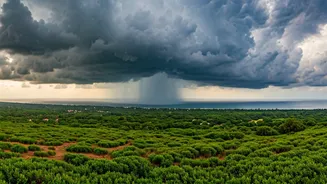
The India Meteorological Department (IMD) and state authorities have been issuing a series of advisories for coastal and hilly districts of Karnataka. Recent alerts for late June have warned of heavy to very heavy rainfall, often accompanied by strong
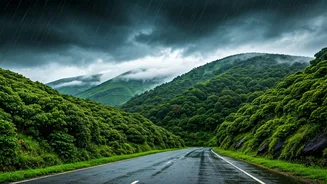
winds. This isn't just a forecast for a pleasant, drizzly drive. These conditions create tangible dangers, including poor visibility, waterlogged roads, and a significantly increased risk of landslides, especially in the vulnerable Western Ghats region. Authorities are not being overly cautious; they are responding to active weather patterns that can make popular tourist routes treacherous. For instance, an orange alert was issued for Uttara Kannada from June 30, warning of heavy rain and 30-40 kmph winds.
High-Risk Zones to Watch
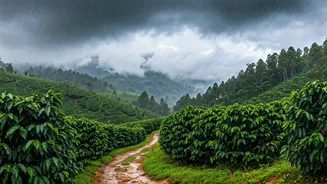
For Bengaluru residents, the Western Ghats are a favourite monsoon escape, but they are also a key area of concern. Ghat sections like Shiradi (on NH-75), Charmadi (NH-73), and Agumbe are particularly susceptible to mudslides and falling boulders during intense spells of rain. Popular destinations such as Chikkamagaluru and Kodagu (Coorg) have been experiencing continuous downpours, making the smaller estate roads and approach routes extremely difficult to navigate. Heavy winds have also led to uprooted trees causing major blockages. Within Bengaluru itself, traffic police have identified several chronic waterlogging spots, including the Outer Ring Road at Bellandur-Iblur junction, Hulimavu junction, and areas around Madiwala. Unnecessary travel through these zones during peak rainfall is strongly discouraged.
How to Stay Officially Informed
Before you even think of starting your car, it is vital to check for the latest official updates. Do not rely on last year’s experience or anecdotal advice. The Karnataka State Natural Disaster Monitoring Centre (KSNDMC) provides real-time, localised updates that are invaluable for route planning. For traffic conditions within the city, the Bengaluru Traffic Police (BTP) actively uses social media and its BTP ASTraM App to share information on waterlogging, diversions, and road blockages. Following these official handles can provide you with the most accurate picture of the situation on the ground, helping you make an informed decision to delay or reroute your journey. For emergencies in districts like Uttara Kannada, control rooms have been activated with dedicated phone and WhatsApp numbers.
Your Monsoon Travel Checklist
If you absolutely must travel, being prepared can make all the difference. First, ensure your vehicle is monsoon-ready: check your tyres, brakes, wipers, and fog lights. Driving with worn-out tyres on slippery ghat roads is a recipe for disaster. Pack an emergency kit containing a first-aid box, a torch, a power bank for your phone, dry snacks, and extra water. It's also wise to inform a family member or friend of your travel route and estimated time of arrival. Avoid driving through waterlogged streets, as it can damage your vehicle's engine and you cannot be sure of the road condition underneath. And most importantly, never ignore a safety barrier or a warning from local officials. Their instructions are based on immediate risks, like at Shivanasamudra and Hogenakkal, where coracle rides were recently banned due to dangerously high river levels.
Rethinking Your Plans
Sometimes, the smartest decision is to stay home or choose a safer alternative. If the Western Ghats are under a red or orange alert, consider exploring rain-shadow regions that remain relatively dry. Destinations like Hampi, Bidar, or Lepakshi offer rich historical experiences without the threat of landslides and flash floods. A beautiful monsoon is best enjoyed without putting yourself or your loved ones in harm's way. The hills and waterfalls will still be there when the weather is safer. Heeding warnings isn’t about cancelling plans; it’s about making smarter, safer ones. Responding to alerts shows respect not just for the power of nature, but for the efforts of disaster management teams working to keep everyone safe.