




The simple act of buying a bottle of water comes with an assumption of safety. But with India's food regulator, FSSAI, now increasing its scrutiny of the packaged water industry, many are asking: just how safe is the water we drink every day?
A Renewed Focus on Water Safety
Recent actions
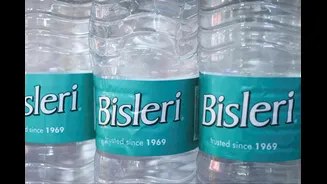
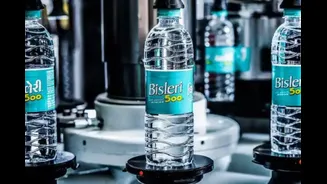
by the Food Safety and Standards Authority of India (FSSAI) have placed the packaged water industry under a microscope. The regulator has sanctioned prosecution against major brand Bisleri after a sample was declared unsafe. This move is part of a broader intensification of enforcement to protect consumer health. Following the action against a leading brand, sources indicate that the FSSAI will be testing samples from other manufacturers across the country to ensure compliance with safety standards. This has understandably caught the attention of public health advocates and consumers alike, given that packaged water is a primary source of drinking water for millions in India, who often choose it over tap water due to quality concerns.
What Did Regulators Find?
The specific case that triggered the wider reviews involved a sample that initially failed to meet the prescribed limit for bromate. Bromate is a chemical that can form as a by-product during certain water disinfection processes, like ozonation. Following an appeal by the company, a referral laboratory also declared the sample unsafe, this time citing the presence of polynuclear aromatic hydrocarbons (PAHs). Both bromate and certain PAHs are considered potential carcinogens by health organizations, and their presence in drinking water is a serious public health concern. These findings have highlighted the critical importance of robust quality control during the manufacturing process.
The Rules are Changing
The regulatory landscape for packaged water in India has seen significant shifts. In October 2024, the FSSAI removed the long-standing mandatory Bureau of Indian Standards (BIS) certification for packaged drinking water. In its place, a new, stricter FSSAI-governed 'Scheme of Testing' became compulsory from January 1, 2026. Under this new system, packaged water is classified as a 'high-risk' food category, subjecting manufacturers to more frequent inspections and a rigorous testing schedule. This includes monthly microbiological tests and six-monthly comprehensive chemical tests at FSSAI-notified, accredited labs. The goal is to move from a one-time certification model to continuous, surveillance-based quality assurance.
A Widespread Issue of Compliance
The recent high-profile case is not an isolated incident. Concerns about the quality of packaged water are not new. Government data presented in Parliament in early 2025 revealed that a significant portion of samples tested in previous years failed to conform to standards. In 2023–24, 333 out of 1,300 enforcement samples of packaged drinking water were found to be non-conforming. The year before, in 2022–23, 650 out of 1,776 samples failed quality checks. These statistics point to systemic challenges within the industry, extending beyond a single brand or batch, and reinforce the need for the FSSAI's heightened vigilance.
What Can Consumers Do?
While regulatory oversight is essential, consumer awareness is also a key part of the equation. Public health experts note that consumers cannot identify chemical or microbial contamination just by looking at a sealed bottle. However, there are basic checks everyone can perform. Always check that the bottle's seal is intact and has not been tampered with. Look for the FSSAI license number on the label, along with the manufacturing date and batch number. While these checks don't guarantee the absence of microscopic contaminants, they are important first-line defenses against counterfeit or improperly handled products. The responsibility for purity ultimately lies with manufacturers and regulators, but informed consumers can make safer choices.