




The Next Great Leap
The Emirates Mission to the Asteroid Belt, or EMA, is one of the most complex space ventures ever undertaken by a new space-faring nation. Following the triumphant arrival of its Hope probe at Mars in 2021, the UAE is pushing deeper into the cosmos. The plan
is not just to visit a single asteroid, but to execute a 'grand tour' of the main belt located between Mars and Jupiter. This involves a meticulously planned trajectory that will allow a single spacecraft, named the MBR Explorer, to analyse a diverse collection of asteroids up close. The mission is a clear statement of intent, showcasing the nation's commitment to advancing science and technology while cementing its status as a key player in the 21st-century space race. The journey is set to begin with a launch slated for 2028, kicking off an epic voyage across hundreds of millions of kilometres.
Meet the MBR Explorer
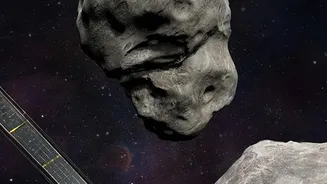
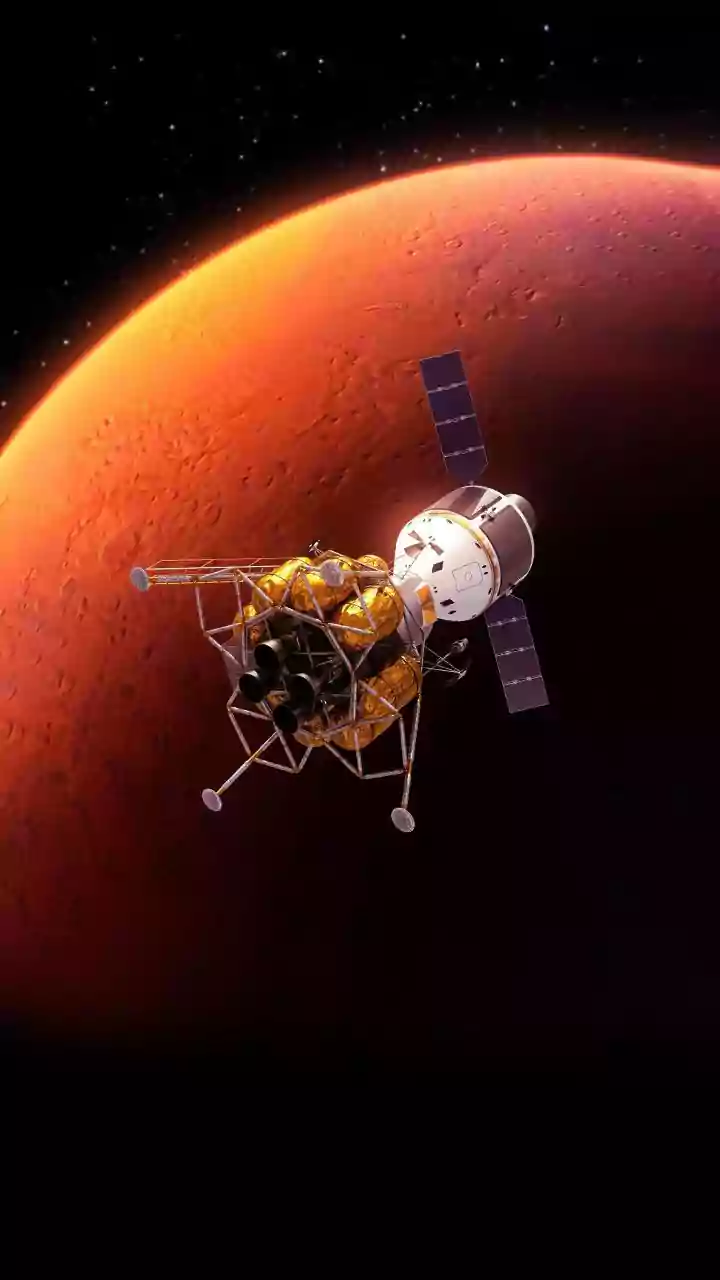
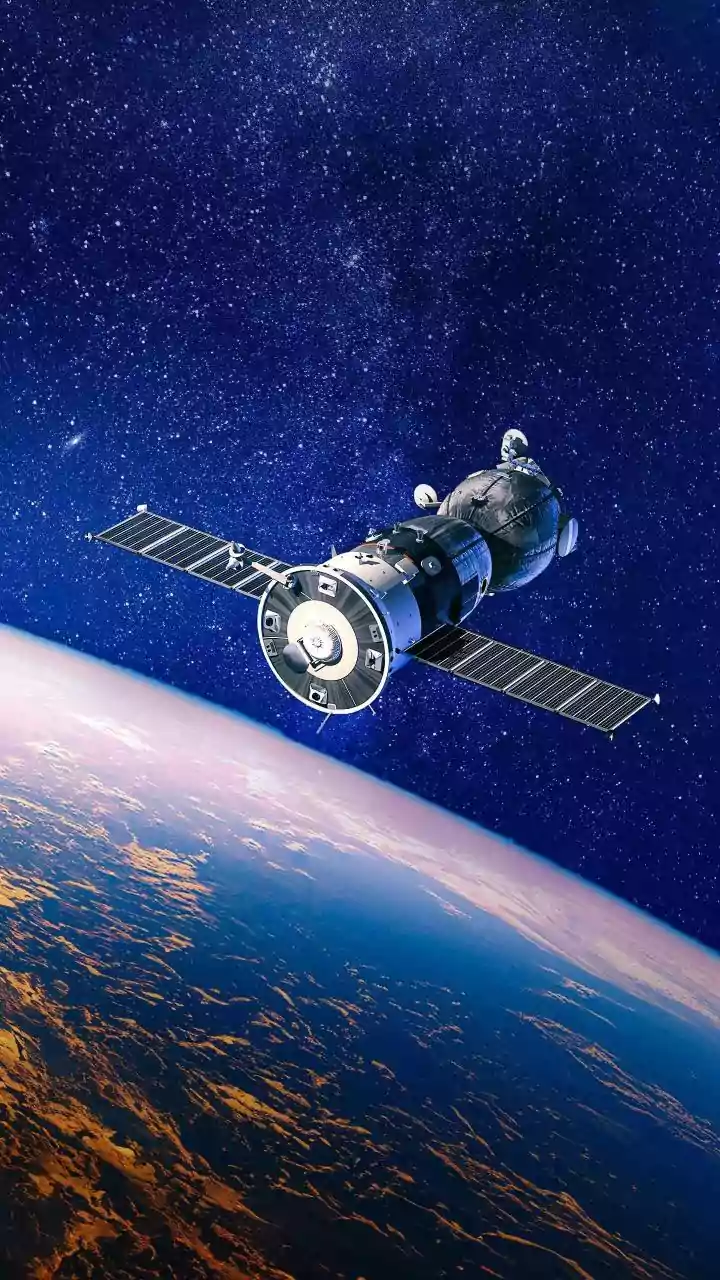
The star of the show is the MBR Explorer, a sophisticated solar-powered spacecraft named in honour of Sheikh Mohammed bin Rashid Al Maktoum, the ruler of Dubai. This robotic explorer is being developed by a consortium of Emirati companies and academic institutions, building on the knowledge gained from the Mars mission. It will be equipped with a suite of advanced scientific instruments designed to map the geology and composition of its targets. These tools include a high-resolution camera for detailed imaging, a thermal infrared camera to study surface properties and temperature, and multiple spectrometers to analyse the chemical makeup of the asteroids. The probe will use a series of gravity-assist manoeuvres, swinging past Venus, Earth, and Mars to build up the speed required to reach the asteroid belt efficiently. This complex celestial navigation highlights the mission's technical ambition.
A Grand Tour of Seven Worlds
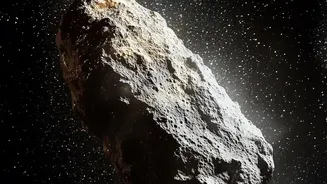
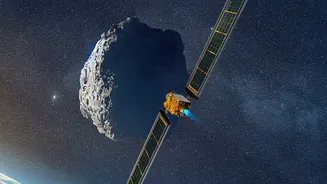
The mission's design is remarkable for its efficiency, allowing for the observation of seven different asteroids. The MBR Explorer will conduct high-speed flybys of six of them: Westerwald, Chimaera, Rockox, and three others. During these fleeting encounters, the spacecraft will gather as much data as possible, capturing images and analysing their surfaces to understand their diversity. Each asteroid is a time capsule from the early solar system, holding clues about how planets formed. By studying a variety of them, scientists hope to build a more complete picture of the conditions that prevailed billions of years ago. These flybys are the essential appetisers before the main course, providing crucial context and comparative data for the mission's ultimate destination.
The Main Event: A Landing on Justitia
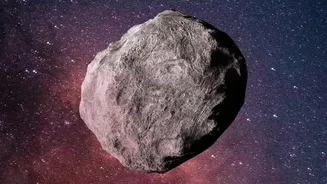
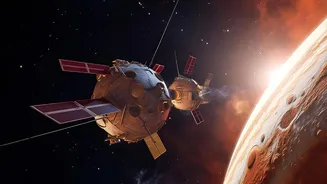
The grand finale of this thirteen-year journey is scheduled for 2036, when the MBR Explorer will attempt to do something extraordinary: land on the asteroid (269) Justitia. This final target is particularly fascinating to scientists. While located in the inner part of the asteroid belt, Justitia has a distinct reddish surface, a feature more common to objects from the frigid outer reaches of the solar system, like the Kuiper Belt. This suggests Justitia may be a cosmic migrant, a relic that formed far from the Sun before being nudged into its current orbit. Its reddish hue hints at the presence of complex organic compounds, the building blocks of life. Successfully landing a small science package on its surface would provide an unprecedented opportunity to analyse this mysterious object directly.
The Search for Water and Origins
At its core, the EMA is a quest for origins. One of the mission's primary scientific goals is to understand the distribution and origin of water-rich asteroids. These 'wet' asteroids are thought to be responsible for delivering much of the water found on Earth today, making them crucial to the story of how our planet became habitable. By studying Justitia and the other targets, scientists hope to trace the cosmic water trail and better understand how it and other life-enabling organic materials are transported across the solar system. The data gathered will not only illuminate the history of our own cosmic neighbourhood but will also inform the search for life elsewhere. It's a mission that tackles some of the most fundamental questions about our existence: where did we come from, and how did the ingredients for life end up on Earth?