




What Are the Proposed BS-VII Rules?
The Ministry of Road Transport and Highways has released draft rules for the next generation of vehicle emission standards, known as Bharat Stage VII (BS-VII). Unlike previous standards like BS-VI which focused almost exclusively on tailpipe emissions,
BS-VII proposes a more holistic approach. The draft suggests a phased rollout, starting with new passenger cars and SUVs from April 1, 2029, followed by light commercial vehicles in 2030, and heavy vehicles like buses and trucks from 2031. While exhaust limits for pollutants like nitrogen oxides will remain largely the same as BS-VI, the big shift is the introduction of regulations for non-exhaust emissions. This includes setting limits on particulate matter from brake wear and standards for tyre abrasion. The draft also emphasizes stricter real-world emissions testing and mandates for the durability of electric vehicle batteries.
The Invisible Pollutants: Brakes and Tyres
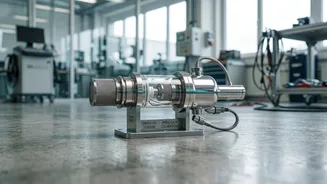
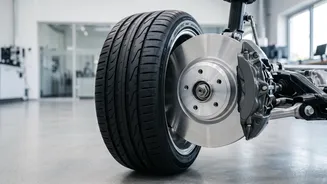
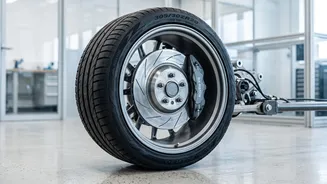
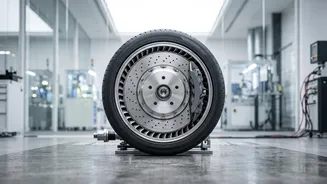
When you think of vehicle pollution, you probably picture smoke from an exhaust pipe. However, a significant amount of harmful particulate matter (PM) comes from other sources. Every time a driver hits the brakes, the friction between the brake pads and discs grinds off tiny particles that become airborne. Similarly, as tyres roll over the road surface, they constantly wear down, shedding microplastics and other particles. These non-exhaust emissions are a growing concern for air quality experts because they are not dependent on the engine. An electric vehicle, for example, has zero tailpipe emissions but still produces pollution from its brakes and tyres. As exhaust emissions have become cleaner due to stricter regulations, the contribution of brake and tyre wear to overall traffic-related air pollution has become much more significant.
Why Regulate This Now?
The proposed rules are modeled broadly on Europe's 'Euro 7' framework and represent a crucial step in India's ongoing battle with air pollution. Health experts are increasingly concerned about fine particulate matter, especially PM2.5, which can penetrate deep into the lungs and enter the bloodstream. Brake and tyre wear are major sources of these particles in urban environments. By expanding the scope of regulations, the government aims to tackle vehicle pollution more comprehensively. The draft BS-VII rules propose specific limits for brake particle emissions, set to begin from April 2031 for passenger cars. Initially, the limit would be 7 milligrams per kilometre (mg/km) for petrol and diesel cars, and a stricter 3 mg/km for pure electric vehicles, which benefit from regenerative braking. By 2035, a uniform 3 mg/km limit would apply to all new passenger cars.
Impact on the Auto Industry
The automotive industry has expressed concerns about the proposed timeline. Automakers argue that the 2029 deadline provides limited time to re-engineer vehicles, conduct extensive testing, and validate new technologies needed to comply. Meeting these new standards for brakes and tyres, alongside enhanced real-world emission testing and onboard monitoring systems, will require significant investment in research and development. Industry executives have warned that this could divert engineering resources away from other important areas like electric vehicle development and potentially disrupt product launch schedules between 2027 and 2030. The Society of Indian Automobile Manufacturers (SIAM) has reportedly been discussing whether the implementation should be deferred to allow for a more staggered rollout.
What It Means for Car Buyers
The primary question for consumers is whether these new rules will make cars more expensive. While the draft notification doesn't specify cost increases, it's widely expected that the added technological and compliance costs will be passed on to buyers to some extent. However, the new rules also introduce features designed to benefit the consumer directly. A proposed 'Environmental Vehicle Passport' would give owners clear, accessible information on their vehicle's fuel consumption, emissions data, and battery health. Furthermore, the regulations mandate durability standards for EV batteries, requiring them to retain at least 75% of their capacity after five years or 1,00,000 km. These measures aim to increase transparency and ensure vehicles remain efficient and compliant over a longer lifespan, offering more value and peace of mind to the owner.