


Why Natural Sweeteners?
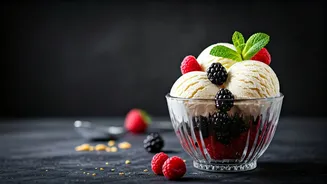
Moving beyond table sugar in your homemade ice cream offers more than just a perceived health halo. Natural sweeteners like honey, maple syrup, and even fruit purées bring their own distinct character to the party. While white sugar provides a neutral
sweetness, these alternatives add complex flavour notes—floral from honey, woodsy and caramel-like from maple syrup, and vibrant freshness from fruit. They also change the science of your scoop. Sugar's primary role in ice cream, besides taste, is to control the formation of ice crystals. It lowers the freezing point of the mixture, ensuring it doesn't turn into a solid, icy block. Natural sweeteners do this too, and because they have different molecular structures, they can create a softer, more scoopable final product.
The Liquid Gold: Honey and Maple Syrup
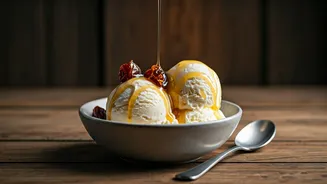
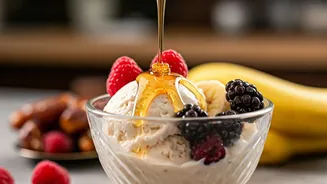
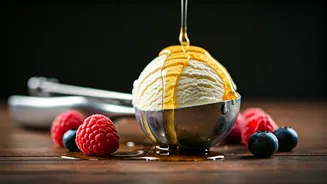
Honey and maple syrup are two of the easiest and most rewarding swaps. Honey, a natural invert sugar, is fantastic at keeping ice cream smooth and soft right out of the freezer. Its unique floral notes pair beautifully with vanilla, nut, or fruit-based ice creams. Maple syrup offers a similarly soft texture but with a richer, more complex flavour. Because both are liquids, they contain water. To prevent an icy texture, it's best to use them in recipes with a high-fat content, such as those with a rich custard base or plenty of heavy cream, to offset the extra moisture. As a general rule, you can substitute about two-thirds to three-quarters of a cup of honey or maple syrup for every cup of sugar, adjusting to your taste.
Harnessing the Power of Fruit
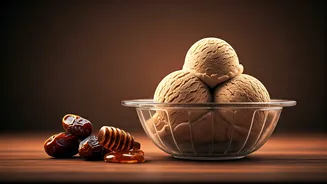
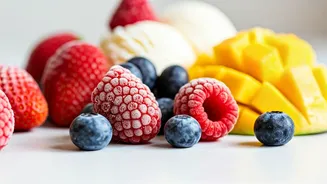
For a truly wholesome treat, fruit can serve as your primary sweetener. Overripe bananas are a classic for a reason; when frozen and blended, their high pectin content creates a famously creamy, soft-serve-style "nice cream". Dates are another powerhouse, providing intense caramel-like sweetness and a smooth consistency when soaked and puréed. Berries, peaches, and other juicy fruits can also be used, but their high water content poses a challenge. To avoid icy chunks, it's best to cook the fruit down into a thick, jam-like consistency before adding it to your ice cream base. This concentrates the flavour and removes excess water, ensuring a creamy result.
A Guide to Perfect Texture
The secret to creamy, not icy, naturally sweetened ice cream lies in managing the freezing process. Since natural sweeteners can lower the freezing point significantly, the mix might stay softer than you're used to. A custard-style base, made with egg yolks, adds richness and acts as a natural stabiliser, resulting in an ultra-creamy texture. Ensuring your base is thoroughly chilled—ideally overnight—before churning helps it freeze faster, which leads to smaller ice crystals and a smoother mouthfeel. For no-churn recipes, a high-fat base of whipped heavy cream and coconut cream is essential for creating a light, scoopable structure. A small amount of alcohol, like a teaspoon of vodka, is another trick; it doesn't add flavour but lowers the freezing point just enough to keep the ice cream scoopable.