






When we think of 'heritage', ancient temples and majestic forts often come to mind. But what about the ground beneath them? Recent additions to UNESCO's Tentative List shine a light on India's geological treasures in Andaman and Chhattisgarh.
What is Geo-Heritage?
Geo-heritage
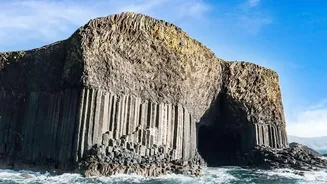
refers to sites that hold significant geological, geomorphological, or fossil-based value, offering profound insights into Earth's history and evolution. These are not just any rocks or landforms; they are natural archives, preserving stories of planetary processes that unfolded over millions of years. The Geological Survey of India (GSI) is the key body responsible for identifying and protecting these National Geological Monuments. Unlike cultural heritage created by humans, geo-heritage sites are the planet's own masterpieces, shaped by volcanic eruptions, tectonic shifts, and ancient climates. Recognizing them is a move to safeguard the very foundations of our natural world for education, research, and sustainable tourism.
Andaman's Fiery Past, Preserved
Two of the newly recognised sites are in the Andaman and Nicobar Islands, recently added to UNESCO's World Heritage Tentative List in October 2026. These are the Karst-mud-volcano Complex of Baratang and the Andaman Subduction Volcanoes, which include Barren and Narcondam Islands. Barren Island is home to the only historically active volcano in South Asia, a live display of the powerful tectonic subduction where the Indian Plate dives beneath the Burma microplate. The Baratang complex showcases a rare combination of limestone karst caves and active mud volcanoes, offering a unique window into the region's geological evolution. Sites like the pillow lava formations at Brookshabad are another geological marvel, formed when lava erupted underwater and cooled rapidly, creating distinctive bulbous shapes that tell scientists about past volcanic activity in a once-submerged area.
Sirpur: Where Geology Meets Culture
The third site added to the UNESCO Tentative list is the Sirpur Cultural and Archaeological Landscape in Chhattisgarh. While primarily recognised for its rich archaeological tapestry of coexisting Hindu, Buddhist, and Jain monuments from the 5th to 12th centuries CE, its geological context is a crucial part of its story. The ancient city, a former capital on the banks of the Mahanadi River, is built upon the Proterozoic Chhattisgarh Basin. A notable feature is the use of local stromatolite rocks in some of its ancient structures. Stromatolites are layered sedimentary formations created by the growth of microorganisms, representing some of the earliest forms of life on Earth. The inclusion of Sirpur highlights how a region's geology doesn't just form the landscape but also provides the very materials that shape its cultural and architectural history, creating a unique link between human and planetary heritage.
The Importance of Recognition
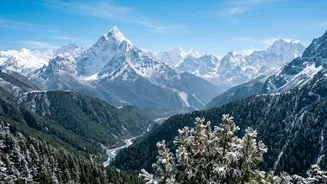
Gaining recognition, whether as a National Geological Monument by the GSI or inclusion on UNESCO's Tentative List, is more than just an accolade. It is the first crucial step towards formal protection, conservation, and management. This status helps safeguard these invaluable sites from degradation and unchecked development. Furthermore, it unlocks potential for geotourism, a sustainable form of travel that focuses on appreciating geological features. For India, which has a vast and diverse geological landscape, from the Deccan Traps to the Himalayas, this growing focus on geo-heritage is a chance to showcase a different, deeper dimension of its identity to the world. It encourages us to look beyond the immediate and appreciate the epic, slow-motion story of our planet, told through the silent language of stone and earth.