




Your Monsoon Starter Pack
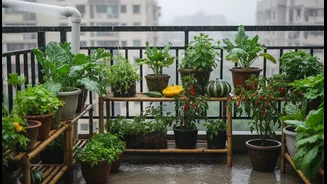
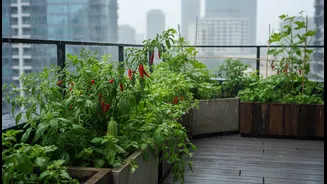
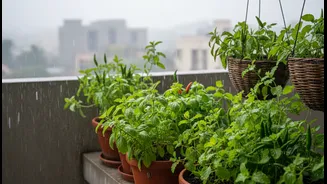
The key to a successful monsoon garden is choosing plants that thrive in humidity and moderate temperatures. Luckily, many Indian kitchen staples are perfect candidates. Leafy greens like spinach (palak), amaranth (chaulai), and coriander (dhania) grow
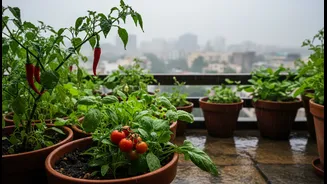
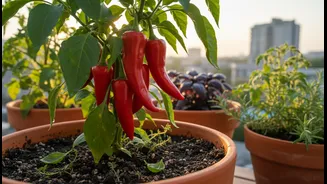
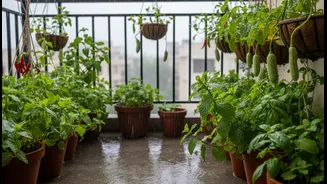
quickly in the moist weather. For something more substantial, tomatoes, green chillies, and brinjals (eggplant) do surprisingly well in pots, as the monsoon climate supports strong growth before they begin to fruit. Other easy wins for beginners include okra (bhindi), beans, cucumbers, and radishes, which can mature in just a few weeks. Herbs like mint and tulsi are also low-maintenance and highly rewarding.
Setting Up Your Green Corner
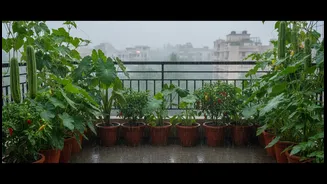
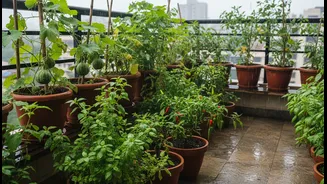
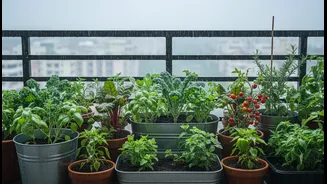
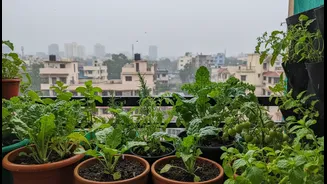
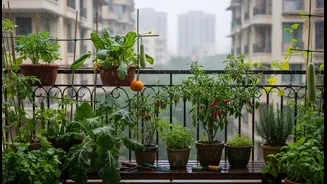
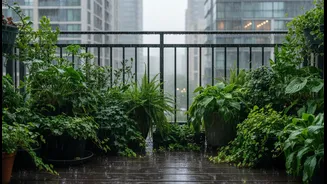
You don't need a large space to start; a few pots on a railing or a small corner is enough. The first step is to assess your sunlight. Most vegetable plants need at least four to six hours of sun daily, making a south or west-facing balcony ideal. Next, choose your containers. Terracotta pots, lightweight grow bags, or even recycled plastic containers will work, as long as they have drainage holes to prevent waterlogging. The right soil is crucial. Instead of heavy garden soil, use a lighter potting mix. A combination of soil, coco-peat (for moisture retention), and compost (for nutrients) creates a perfect environment for healthy roots.
Monsoon-Proofing Your Garden
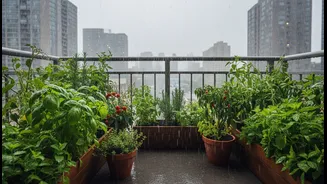
While the rains are a blessing, too much of a good thing can be a challenge. The biggest risks during monsoon are overwatering and fungal diseases. Ensure every pot has clear drainage holes. Elevating your pots on bricks or a small stand can significantly help excess water escape. On days with very heavy rain, you might consider moving smaller pots to a more sheltered spot. High humidity can also attract pests and fungi. Improve air circulation by leaving some space between your pots and consider a preventative spray of neem oil solution every couple of weeks to keep common issues like powdery mildew at bay.
More Than Just Fresh Food
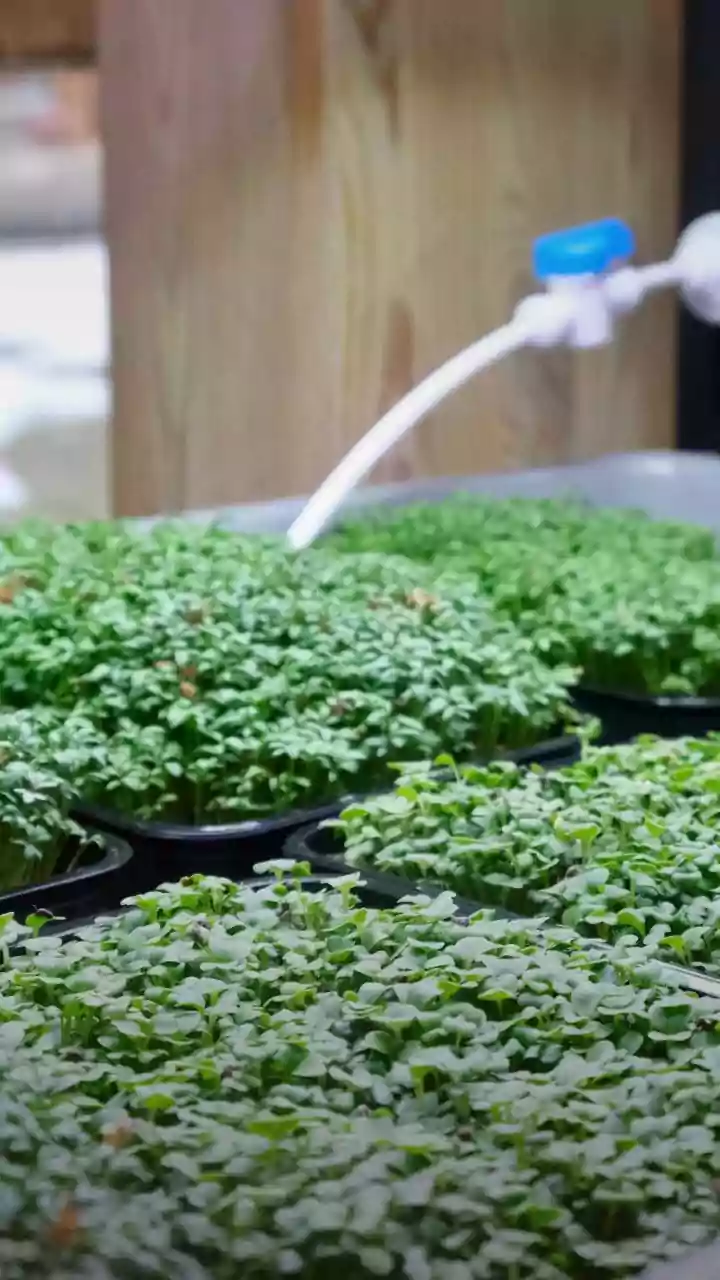
Creating a micro-garden is about more than just a fresh harvest. In dense urban environments, it's a powerful way to reconnect with nature, which has proven benefits for mental well-being and stress reduction. Tending to plants, even in a few small pots, offers a mindful escape from the digital world. It's also a step towards sustainability. Growing even a small portion of your own food reduces your carbon footprint by cutting down on 'food miles'—the distance produce travels to reach your plate. This practice also reduces food waste, as you can harvest exactly what you need, when you need it. For families with children, it's a living lesson in where food comes from.
The Taste of Your Own Harvest
The ultimate reward is the flavour. There is nothing quite like the taste of a tomato picked right from the vine or the fresh aroma of coriander snipped just moments before being added to a dal. Homegrown produce is often more nutrient-dense than its store-bought counterparts, which have spent days in transit and storage. A simple salad made with your own cucumbers and tomatoes, a chutney with fresh mint and chillies, or a sabzi enriched with homegrown spinach offers a different level of satisfaction. Starting small is the key to success; a few thriving pots are more rewarding than a balcony full of struggling plants.