




The Unstoppable Rise of Cinematic Universes
The era of the standalone blockbuster is fading, replaced by the strategic allure of the cinematic universe. Leading the charge is Yash Raj Films' Spy Universe, which has methodically built a web of interconnected stories. Following the events of 'Tiger
3' and 'War 2', 2026 is slated to feature 'Alpha', the first female-led spy thriller in the franchise starring Alia Bhatt and Sharvari. This film is crucial, as it not only expands the world but also tests whether audiences will embrace new leads within the established universe. Similarly, Lokesh Kanagaraj's LCU (Lokesh Cinematic Universe) in Tamil cinema has captivated audiences with its gritty, interconnected world in films like 'Kaithi' and 'Vikram'. Kanagaraj has confirmed that sequels like 'Kaithi 2', 'Vikram 2', and a film centered on the character Rolex are all planned, ensuring the LCU's influence will continue to grow. These universes represent a calculated business model designed to de-risk massive production costs by building on established fanbases.
Pan-Indian Sequels: Bigger and Bolder
The 'pan-Indian' film is no longer a novelty but a dominant force, and its most potent form is the eagerly awaited sequel. After the phenomenal success of 'Pushpa: The Rise' and its record-shattering sequel 'Pushpa 2: The Rule' in late 2024, a third installment, 'Pushpa 3: The Rampage', is already in development. The staggering box office numbers for 'Pushpa 2' demonstrated the immense appetite for larger-than-life regional stories dubbed for a national audience. The anticipation for sequels extends to other major franchises as well. While dates remain fluid, development for 'K.G.F: Chapter 3' continues, following the global success of its predecessors. These films have created a new benchmark for success, where a theatrical hit is expected to perform not just in its home state but across the entire country, putting pressure on filmmakers to create spectacles that transcend linguistic and cultural barriers.
Mythology and Epics Reimagined
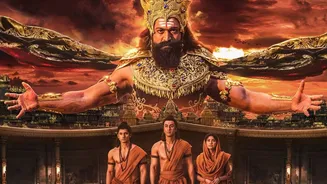
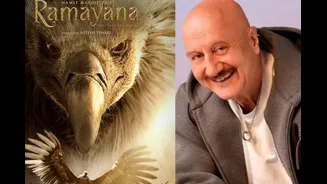
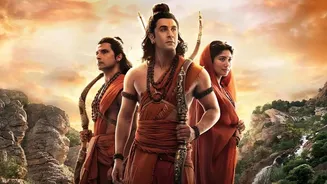
Alongside spy thrillers and action sagas, 2026 will see the release of hugely ambitious mythological epics. Headlining this trend is 'Ramayana: Part 1', starring Ranbir Kapoor. Touted as one of India's most expensive films, it represents a massive gamble on a genre that requires both immense scale and cultural sensitivity. The success or failure of 'Ramayana' could significantly influence the viability of other large-scale historical and mythological projects for years to come. The 'Brahmastra' trilogy is another key player in this space. While 'Brahmastra Part One: Shiva' received a mixed response, its unique 'Astraverse' concept captured the audience's imagination. The sequel, 'Brahmastra Part Two: Dev', is now slated for a December 2026 release, promising to delve deeper into the mythology of the Astras. These films aim to create a uniquely Indian brand of fantasy spectacle, blending ancient stories with modern visual effects.
Star Power as the Anchor
In an industry driven by franchises, the value of star power has only intensified. Superstars are the anchors that hold these cinematic universes together. Shah Rukh Khan's return in 'King' is one of the most anticipated events of 2026. His role is pivotal not just for the film itself, but for reinforcing the box office draw of veteran actors in mega-budget productions. Similarly, the crossover potential within these universes—like the rumored face-off between Salman Khan's Tiger and Shah Rukh Khan's Pathaan—is a testament to how star power is being leveraged to create unprecedented cinematic events. The casting of major stars like Alia Bhatt in 'Alpha' and the anticipated return of Yash in a future 'K.G.F' installment show that even as franchises grow, they remain heavily dependent on the charisma and audience pull of their lead actors.