




What Exactly is Kanji?
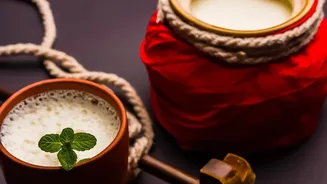
Kanji is a fermented beverage traditionally made in the northern states of India, particularly Punjab, Uttar Pradesh, and Rajasthan. Its foundation is simple: water, black carrots, and a mix of spices, primarily ground mustard seeds ('rai'). The fermentation
process gives the drink its signature taste profile—a compelling combination of tangy, pungent, and salty notes. Often compared to kombucha or beet kvass for its probiotic nature, Kanji has a distinct character rooted in Indian spices and produce. The drink's deep, jewel-toned hue, which can range from dark purple to a vibrant magenta, comes from the pigments in black carrots, though beetroot is often used as a substitute where black carrots are unavailable.
A Taste of Tradition and Celebration
Kanji is more than just a beverage; it's a cultural fixture, deeply intertwined with the arrival of spring and the festival of Holi. Traditionally prepared during the winter months when black carrots are in season, the final batches are often made to be enjoyed during Holi. It serves as a digestive aid and a palate cleanser, providing a sharp, savoury contrast to the rich, fried foods and sweets commonly consumed during the festival. In some households, the tradition extends to making 'Kanji Vadas', where lentil fritters are soaked in the tangy liquid, absorbing its flavour. This connection to seasonal rhythms and festivities makes Kanji a cherished part of the culinary heritage in many North Indian homes.
The Simple Magic of Fermentation
The process of making Kanji is a beautiful example of natural preservation and flavour development. It relies on lactic acid fermentation, a method that has been used for centuries. The key ingredients—carrots, water, and spices like ground mustard, salt, and sometimes red chilli powder—are combined in a large glass or ceramic jar. This jar is then left in the sun for several days. The sunlight provides the warmth needed for the natural bacteria present on the carrots and in the environment to convert the vegetable sugars into lactic acid. This not only preserves the drink but also creates its characteristic sour taste and enriches it with probiotics, the beneficial bacteria known for supporting gut health.
Health in Every Sip
Long before 'probiotic' became a wellness buzzword, drinks like Kanji were providing these benefits naturally. As a fermented food, Kanji is a powerhouse of gut-friendly bacteria that can aid digestion, reduce bloating, and support a healthy microbiome. The primary ingredient, the black carrot, is rich in anthocyanins, a type of antioxidant that gives it its dark colour and has anti-inflammatory properties. The drink is also hydrating and low in calories, making it a refreshing and healthful alternative to sugary beverages. These qualities have made it a traditional go-to for boosting immunity and promoting overall well-being, especially during the seasonal shift from winter to spring.
Making Kanji in Your Own Kitchen
Making Kanji at home is remarkably simple. The first step is to acquire the main ingredient, black carrots, which are typically available in winter. If you can't find them, red carrots and a beet (for colour) are a common substitute. The carrots are washed, peeled, and cut into sticks. These are then placed in a clean glass jar with water, coarsely ground mustard seeds (rai), black salt (kala namak), and a touch of red chilli powder. After stirring, the jar is covered with a muslin cloth and left in a sunny spot for three to seven days, depending on the intensity of the sun. It's important to stir the mixture daily with a wooden spoon. The drink is ready when it has developed a distinctly sour and pungent aroma and taste. At this point, it can be strained and refrigerated before serving, and the leftover carrot pieces can be enjoyed as a tangy pickle.