





The New Allure of the Off-Season
For decades, the Indian travel calendar was clear: avoid the monsoon. But that thinking has changed dramatically. Today, the rainy season is emerging as a preferred travel period for a growing number of domestic tourists. Travellers are increasingly drawn
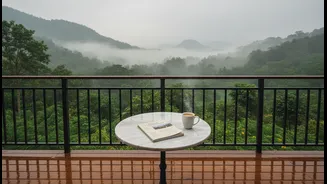
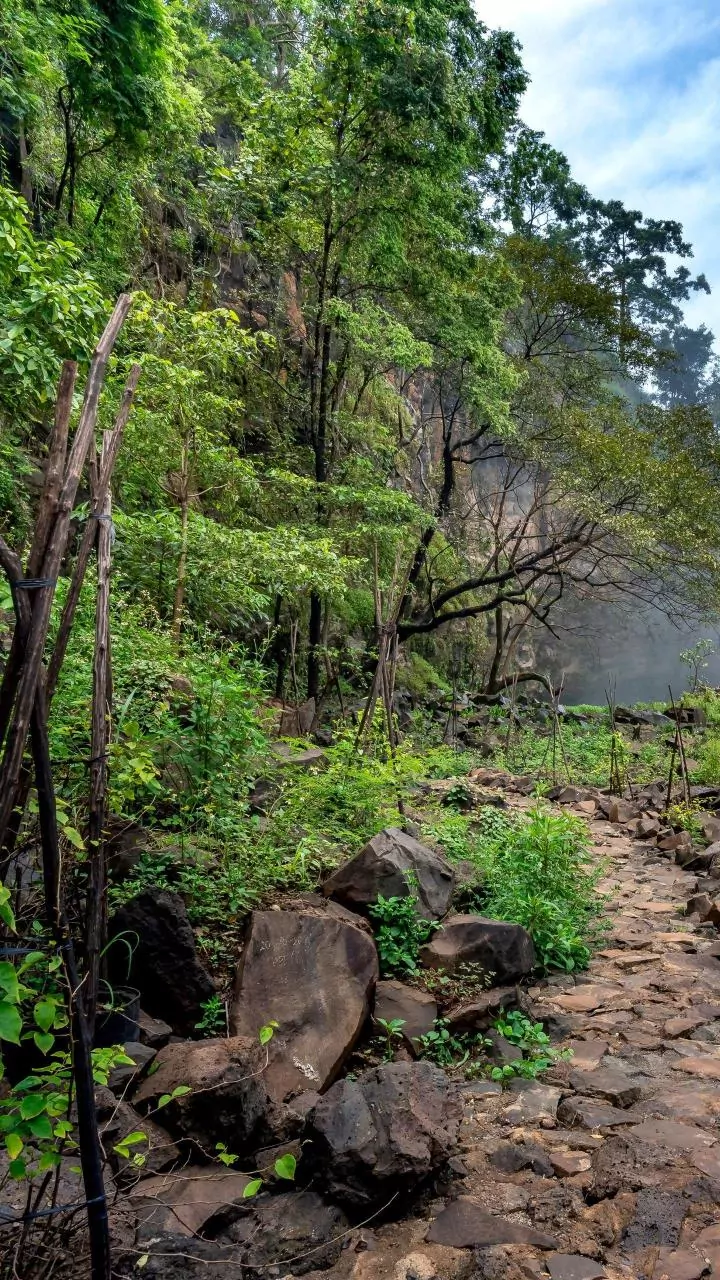
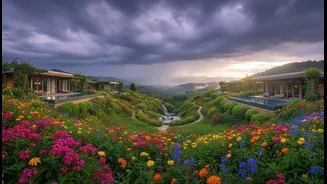
to the unique beauty of rain-soaked landscapes, from the emerald tea plantations of Munnar to the misty hills of Uttarakhand. This shift is driven by a desire for experiences beyond typical sightseeing, including wellness retreats, nature-based tourism, and the simple peace of destinations without peak-season crowds. Hotels and tourism boards have taken notice, rebranding the monsoon as a season of rejuvenation and value, with some destinations seeing hotel bookings grow by as much as tenfold compared to previous years.
What 'Flexible' Actually Means for Travellers
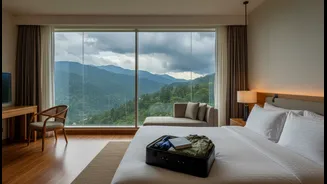
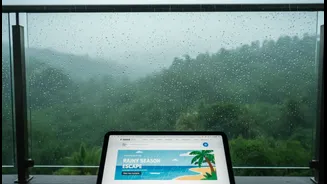
The key to this new trend is the word 'flexibility'. In response to changing travel habits, hotels are moving away from rigid booking policies. A flexible package typically allows a guest to change or cancel a reservation without a major financial penalty, often up to 24 or 48 hours before check-in. This removes the risk associated with uncertain weather or last-minute plan changes. Major hotel chains are actively promoting monsoon campaigns with these benefits built-in. These offers often include significant discounts on room rates, complimentary meal inclusions, spa credits, and a flexible stay window that might last through the entire season, giving travellers the confidence to book a trip without being locked into specific, non-negotiable dates.
The Rise of the Spontaneous Weekend Getaway
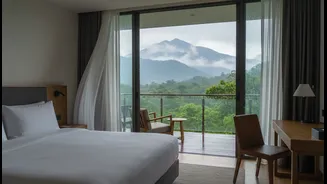
Flexible packages are perfectly matched with another growing trend: the spontaneous short break. With improved highway connectivity and more adaptable work schedules, many Indians are opting for multiple short trips throughout the year instead of one long annual holiday. The monsoon season is ideal for these quick getaways. Data from travel companies shows a sharp increase in last-minute bookings, with a significant number of travellers finalising their plans within just three days of departure. This behaviour is especially common among younger travellers who value spontaneity. The ability to book a hotel with a low-risk, flexible cancellation policy empowers this impromptu travel style, making it easier than ever to escape the city for a refreshing weekend retreat.
Where to Find the Best Monsoon Deals
This trend is widespread, but some destinations have emerged as clear monsoon hotspots. Kerala, with its lush backwaters and focus on Ayurvedic wellness, remains a classic choice. Goa offers a completely different, quieter character compared to its busy winter season, with rain-washed beaches and vibrant green paddy fields. Hill stations across the country are seeing a massive surge in popularity. Munnar and Mussoorie have recorded enormous growth in hotel bookings, while destinations like Coorg, Wayanad, Ooty, and Lonavala are also favourites for their misty landscapes and gushing waterfalls. Even parts of Rajasthan, such as Udaipur, are drawing visitors with off-season prices at luxury and heritage properties.
A Smart Strategy for Savvy Travellers
For the budget-conscious traveller, this shift presents a golden opportunity. The most obvious benefit is cost, with hotel tariffs often dropping by 20% to 40% compared to the peak winter season. To make the most of it, it pays to be strategic. While online travel aggregators are a good place to start, many hotel chains offer the best monsoon deals and flexible terms through direct bookings on their own websites. These packages often bundle accommodation with meals and other perks, offering greater overall value. Being open to last-minute plans can also unlock significant savings, as many properties offer discounts to fill rooms. By embracing a little flexibility, travellers can enjoy premium experiences and explore some of India's most beautiful landscapes without stretching their budget.