







The New 30-Day Rule Explained
The biggest change for Indian passport holders is the duration of a visa-exempt stay. Thailand’s cabinet confirmed on July 14, 2026, that the visa-free stay period for Indians will be reduced from 60 days to 30 days. This decision reverses a temporary
60-day allowance that was part of a broader tourism promotion scheme. The good news is that the plan to scrap visa-free entry for India altogether, which had caused confusion and a drop in tourist numbers, has been abandoned. Instead, the government has settled on a 30-day period, which it says aligns better with the actual travel patterns of most Indian visitors, whose average stay is around seven days. This change brings India in line with a new, standardised 30-day visa-free rule that now applies to 59 countries, including all 27 EU member states.
Why Is Thailand Making This Change?
This policy adjustment is not just about India; it's part of a major overhaul of Thailand's entire visa framework. The primary motivation is to streamline the system and enhance national security. Officials cited concerns that the longer 60-day visa-free period was being exploited for activities other than tourism, including illegal work and criminal operations. By standardising the stay period to 30 days for a large group of countries, the government aims to apply a “one country, one entitlement” principle, eliminating confusing overlaps and closing security loopholes. According to the government, the move is designed to preserve easy access for genuine tourists while deterring those who misuse the system. The initial uncertainty around the policy led to a drop in arrivals from India, a key market, prompting the government to clarify its position and lock in the 30-day visa-free stay.
How This Affects Your Holiday Plans
For the majority of Indian tourists planning a typical one or two-week holiday, this change will have minimal impact. A 30-day stay is more than sufficient for exploring Thailand’s famous beaches, bustling cities, and cultural landmarks. However, for those planning longer-term stays, such as backpackers, digital nomads, or travellers wanting an extended break, this new rule requires more planning. The previous 60-day window offered significant flexibility that is now gone. A 30-day stay can still be extended once within the country by visiting a local immigration office, but this requires an application and a fee. Travellers who were used to making spontaneous, long-duration trips will now need to have a clearer itinerary from the outset.
Options for Staying Longer Than 30 Days
If your travel plans require more than a month in the 'Land of Smiles', you still have options. The most straightforward path for a longer trip is to apply for a 60-day tourist visa from a Thai embassy or consulate in India before you travel. This process has become more streamlined with the availability of e-Visas. For digital nomads and remote workers who intend to stay for extended periods, Thailand has introduced the Destination Thailand Visa (DTV). This long-term visa is designed for individuals who can prove they have sufficient funds and are employed remotely. It allows for a much longer stay than a standard tourist entry but must be applied for before arriving in the country. It’s crucial to use the correct visa type, as Thai authorities are cracking down on so-called “visa runs”—exiting and re-entering the country to reset a visa-free stay—for those attempting to live in Thailand long-term.
Essential Pre-Travel Checklist
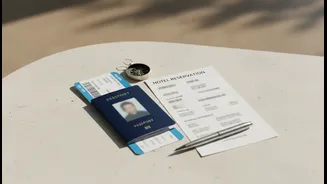
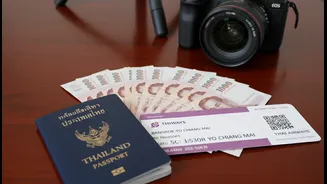
With the new rules in place, being prepared is key. Before you fly, ensure your passport has at least six months of validity from your date of arrival. You must also have proof of a confirmed return or onward journey. All foreign visitors are now required to fill out the Thailand Digital Arrival Card (TDAC) online before arrival. This free digital form replaces the old paper-based one and is mandatory. While not always checked, immigration officials reserve the right to ask for proof of sufficient funds for your stay, so it's wise to be prepared. By ensuring your documents are in order, you can look forward to a smooth and enjoyable trip to Thailand, even with the new 30-day limit.