

The Shifting Mountain
For generations, trekking in the Indian Himalayas has been a predictable adventure defined by altitude, weather, and physical endurance. But the ground beneath travelers' feet is becoming less predictable.. Climate change is no longer an abstract concept
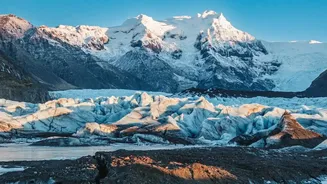
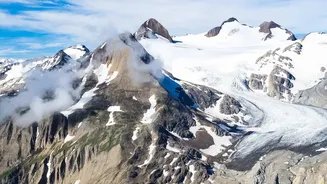
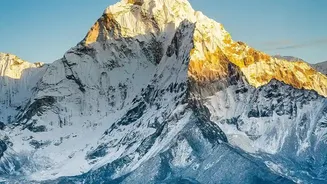
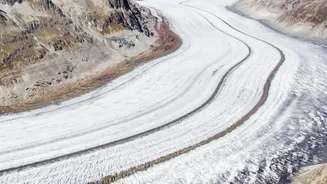
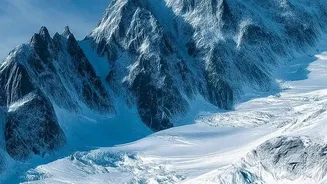
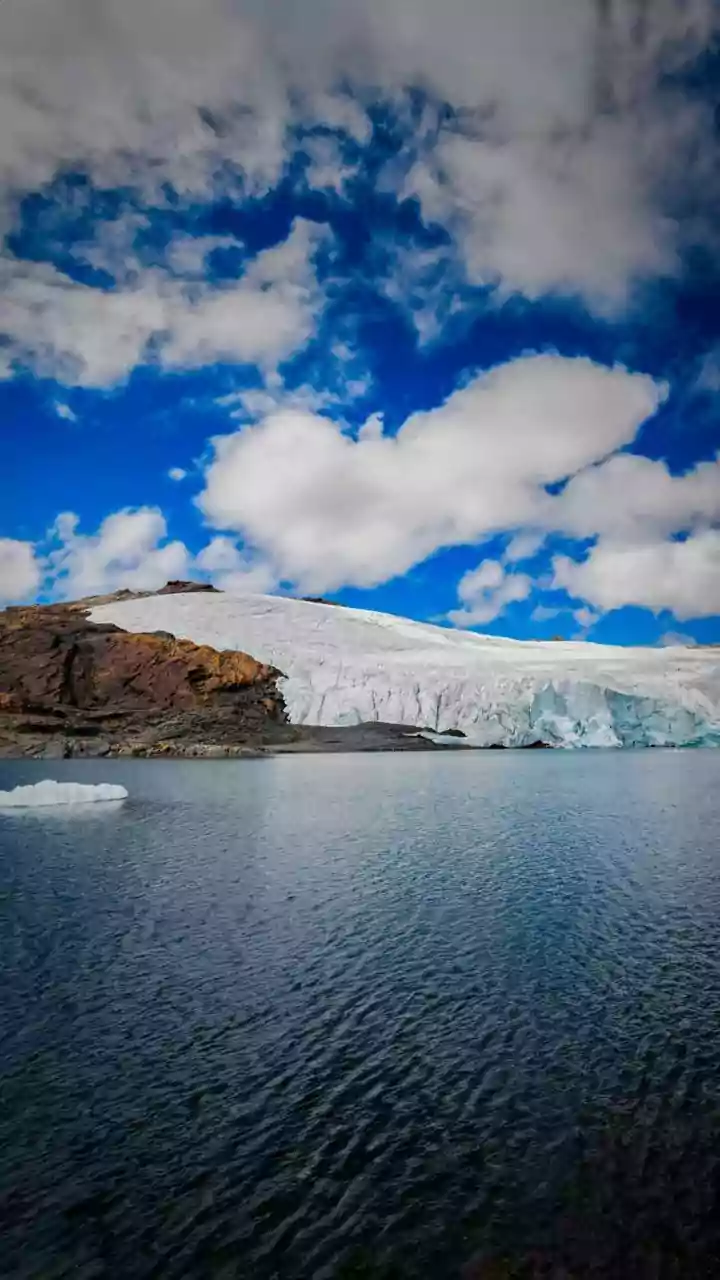
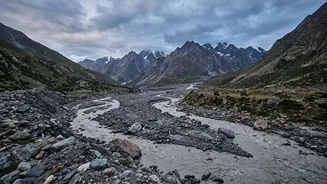
here; it's a tangible force reshaping the landscape. Glaciers that were once landmarks are shrinking, leaving behind scenery that can be unrecognisable from photos taken just a decade ago.. This rapid melt is creating entirely new risks that go beyond traditional mountain hazards, forcing a rethink of what it means to travel safely in the world's highest peaks. The conversation is shifting from just respecting the mountains to understanding their newfound fragility.
Understanding the 'Water Bombs'
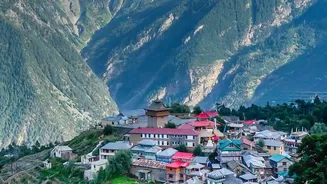
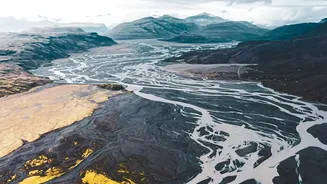
The most significant new threat is the Glacial Lake Outburst Flood, or GLOF.. As glaciers retreat, meltwater pools behind natural dams made of loose rock and soil, called moraines.. These moraine dams are often unstable. An avalanche, heavy rain, or even just the mounting pressure of the water can cause them to collapse without warning, releasing a devastating torrent of water, mud, and boulders downstream.. These “water bombs” can travel for kilometres, wiping out trails, bridges, and villages in minutes.. With rising temperatures, the number and size of these glacial lakes are increasing, elevating the risk of GLOFs across the Himalayan region and making them a central focus of the new safety conversation..
A New Reality on the Trail
For travelers, these changes manifest in very real ways. Once-reliable springs are drying up, while some stream crossings have become more treacherous due to fluctuating water levels from accelerated melt.. Weather patterns are also becoming more erratic, with sudden snowfalls and extreme temperature swings making acclimatisation and gear choices more critical than ever.. Tour operators and guides are on the front lines of this adaptation. The conversation now includes more rigorous daily health monitoring, carrying pulse oximeters to check oxygen levels, and being prepared with alternate routes in case a trail becomes impassable.. Choosing an operator with deep, current local knowledge is no longer a preference but a safety necessity.
From Whispers to Warnings
The growing awareness of these hazards is slowly translating into action. Scientists and government agencies are working to identify the most dangerous glacial lakes, although monitoring thousands of them across the vast Himalayas is a monumental task.. In some high-risk areas, engineering projects have been undertaken to carefully drain lakes and lower the pressure on their fragile dams.. For tourists, this means a greater emphasis on official processes. In regions like Uttarakhand, compulsory registration for pilgrimages and tourism is being used to manage numbers and improve safety tracking in the fragile terrain.. This shift marks a move from reacting to disasters to proactively managing a landscape under immense pressure from both climate change and tourism itself..