




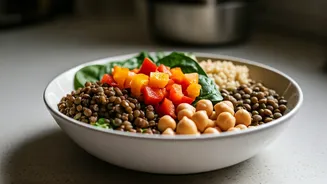



The Monsoon-Perfect Food
Enter the humble sprouted green moong. Celebrated in Indian cuisine and Ayurveda for centuries, moong dal is considered one of the most cherished legumes. When sprouted, it transforms into a nutritional powerhouse. The sprouting process makes it lighter
and easier to digest, a significant advantage during the monsoon when our digestive strength, or 'Agni', is naturally weaker. [4, 8] According to Ayurveda, this is the time when Vata dosha gets aggravated, leading to digestive issues like gas and bloating. [8] Light, easy-to-digest foods are recommended, and moong dal is at the top of that list. [4, 18]
A Boost for Immunity and Digestion
Sprouting doesn't just make moong easier on the stomach; it also significantly enhances its nutritional profile. The process increases the levels of vitamins, especially Vitamin C, which is crucial for a robust immune system—your body's first line of defence against seasonal infections. [2] Sprouted moong is rich in fibre, which aids regular bowel movements, and antioxidants that help reduce inflammation. [2, 13, 15] It provides a fantastic source of plant-based protein, helping you feel full and energetic without the heaviness of other legumes or fried snacks. [6, 15]
The Ultimate Monsoon Salad Recipe
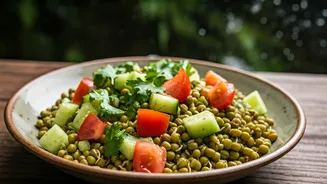
This recipe is a simple, refreshing, and crunchy salad that brings together the goodness of sprouts with fresh vegetables and a tangy dressing. While raw sprouts offer the most crunch, lightly steaming or parboiling them for 5-6 minutes is often recommended, especially during monsoon, to kill any potential bacteria and make them even easier to digest. [7, 9, 17]
Ingredients You'll Need
• 1.5 cups sprouted moong, raw or lightly steamed • 1 medium onion, finely chopped • 1 medium tomato, finely chopped • 1 medium cucumber, finely chopped • 1 small carrot, grated or finely chopped • 2 tablespoons fresh coriander leaves, chopped • 1 green chilli, finely chopped (optional) • ¼ cup roasted peanuts for crunch (optional) For the Dressing: • 2 tablespoons lemon or lime juice • ½ teaspoon chaat masala • Salt and black pepper to taste
Step-by-Step Instructions
1. Prepare your sprouts: If you're starting with dry moong beans, soak them overnight. The next day, drain the water, and place the beans in a cloth or a closed container in a warm spot. They should sprout within a day or two. [9] 2. Steam if preferred: If you wish to cook the sprouts, bring water to a boil and steam them for 5-6 minutes until slightly tender but still crunchy. Drain and let them cool. [10, 17] 3. Combine the ingredients: In a large mixing bowl, add the sprouted moong, chopped onion, tomato, cucumber, carrot, and green chilli. [5] 4. Add the dressing: Drizzle the lemon juice over the salad. Sprinkle the chaat masala, salt, and black pepper. [5, 10] 5. Toss and serve: Gently toss everything together until well combined. Garnish with fresh coriander leaves and roasted peanuts. It’s best served immediately to retain the crunch and freshness.
Tips and Variations
For a different flavour profile, you can add grated coconut for a South Indian 'kosambari' style. [9] Pomegranate seeds can add a sweet and tangy burst, while a teaspoon of green chutney can provide an extra kick. You can also include other finely chopped vegetables like bell peppers or grated beetroot. [16] Remember, the key is to use fresh ingredients to create a salad that's both light and invigorating, making it the perfect antidote to a gloomy, rainy day.