



The Monsoon Effect on Digestion
The shift in weather during the monsoons creates a perfect storm for digestive issues. The high humidity can make our digestive system feel sluggish, leading to common complaints like bloating, gas, and acidity. This is often compounded by our seasonal
habits; we tend to move less, drink less water, and crave oily, fried snacks. More importantly, the monsoon season sees a spike in food and water contamination. The damp environment is a breeding ground for harmful bacteria and viruses, increasing the risk of stomach infections, diarrhoea, and gastroenteritis. It's a time when our gut is under assault, making it more crucial than ever to build a strong internal defence.
Not Just Any Pickle: The Fermentation Factor
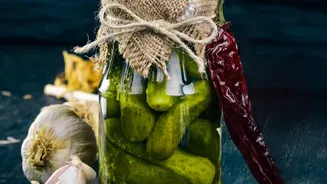
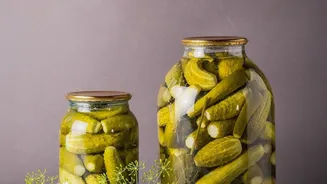
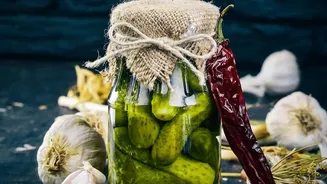
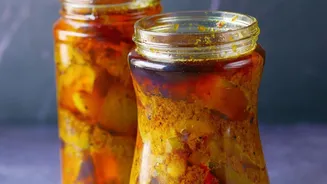
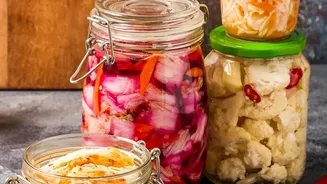
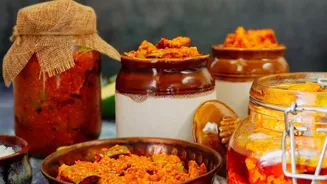
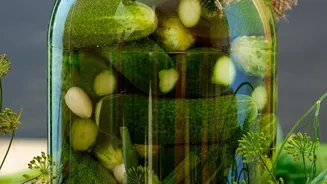
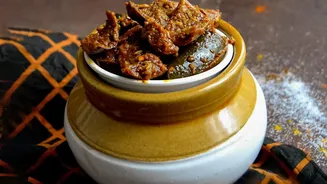
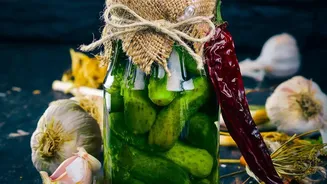
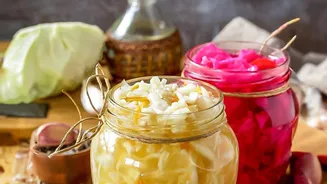
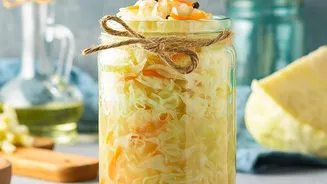
When we talk about pickles for health, it's vital to distinguish between two types. Most commercially available pickles are preserved using vinegar. This method is quick but doesn't create a probiotic-rich food; in fact, the vinegar and pasteurization process kills off beneficial bacteria. The treasure lies in traditional, homemade pickles, or 'achaar'. These are made through lacto-fermentation, a process where vegetables or fruits are preserved in a salt brine. Over weeks, naturally present bacteria, like Lactobacillus, convert sugars into lactic acid. This not only preserves the pickle but also cultivates millions of live, beneficial microorganisms, turning a simple condiment into a probiotic powerhouse. This is the ancient science that makes pickles of mango, lemon, and chilli more than just a flavour enhancer.
How Probiotics Restore Balance
Probiotics are often called 'good' or 'friendly' bacteria, and for good reason. Your gut is home to a complex ecosystem of trillions of microbes, known as the gut microbiome. Maintaining a healthy balance in this ecosystem is essential for digestion, nutrient absorption, and immunity. During the monsoons, this balance can be easily disrupted. Probiotic foods like traditionally fermented pickles help to repopulate your gut with beneficial bacteria. These good microbes compete with harmful pathogens for space and resources, effectively building a protective shield along your intestinal wall. They also aid in breaking down food more efficiently and help produce essential nutrients like B vitamins.
A Natural Defence Against Infections
A strong gut microbiome is your body's first line of defence. When your gut is populated with diverse and thriving colonies of good bacteria, it is more resilient against invaders. Consuming fermented foods introduces these reinforcements precisely when they're needed most. Health experts note that a healthy gut plays a central role in staying resilient through the monsoon season, when a natural dip in immunity is common. By regularly consuming probiotic-rich foods like traditional pickles, you support your body's natural defence mechanisms, making you less susceptible to the common stomach bugs and infections that circulate during the rainy months. Think of it as strengthening your internal army to fight off seasonal battles.
Making Smart, Mindful Choices
While traditional pickles are beneficial, moderation is key. They are high in salt, so a small spoonful served alongside a meal is sufficient to reap the probiotic benefits without overdoing the sodium. To ensure you're getting a truly probiotic food, opt for homemade pickles or those from trusted sources that specify they are naturally fermented and unpasteurized. Many store-bought varieties lack live cultures. You can complement your pickle intake with other traditional Indian probiotic foods like dahi (curd), buttermilk (chaas), and fermented batters for idli and dosa. These foods work together to create a robust and diverse gut environment, helping you navigate the monsoon season feeling healthy and strong.