





The Science of the Lean
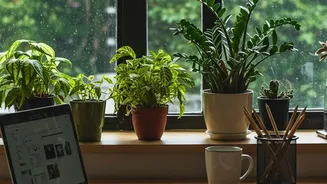
Have you ever noticed your houseplant leaning dramatically towards a window, as if it's longing for the world outside? This isn't your plant being dramatic; it's a natural survival instinct called phototropism. In simple terms, phototropism is the process
by which a plant grows towards its light source. Plants contain a growth hormone called auxin. This hormone accumulates on the shadier side of the stem, causing the cells there to grow longer and faster than the cells on the sunny side. This difference in growth rate is what causes the stem to bend and lean towards the light, ensuring its leaves—its little solar panels—can capture as much energy as possible for photosynthesis. While brilliant for a plant in the wild, indoors this results in lopsided, uneven growth.
More Than Just Good Looks
The most obvious benefit of rotating your plants is achieving a more symmetrical and visually appealing shape. Consistent rotation prevents that one-sided lean, encouraging the plant to grow fuller and more balanced. But the advantages go beyond simple aesthetics. By ensuring all sides of the plant receive a fair share of light, you promote stronger, sturdier stems all around. This even light exposure can also stimulate new shoots and leaves on sides that were previously shaded, leading to a lusher, healthier plant overall. Furthermore, the simple act of turning your plants improves air circulation around the foliage, which can help reduce the risk of pests or fungal issues that thrive in stagnant conditions. It also gives you a regular opportunity to inspect your plant for any early signs of trouble, like pests or yellowing leaves.
The Quarter-Turn Rule
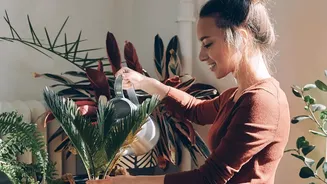
So, how often should you be performing this crucial spin? While there's no single, rigid rule, a widely accepted guideline is to give your plant a quarter-turn every time you water it. This simple habit makes it easy to remember and provides consistent results. Over four waterings, the plant will have completed a full 360-degree rotation. Some experts suggest a turn every one to two weeks, especially during the active growing seasons of spring and summer. The ideal frequency can also depend on your light conditions. Plants in lower light might benefit from more frequent rotation (every few weeks), while those in very bright, more consistent light might only need it every couple of months. The key is consistency. Pick a schedule that works for you and stick with it. Your plant will thank you with even, upright growth.
Are There Any Exceptions?
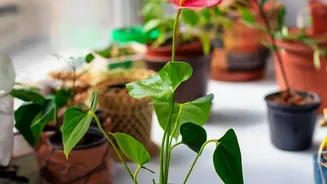
While most houseplants benefit from regular rotation, it’s not a universal rule. Some plants, for instance, are best left alone. Flowering plants that have already developed buds, such as certain orchids or a Christmas cactus, can be sensitive to changes in orientation. Rotating them at this stage can cause stress and lead to 'bud drop,' where the plant sheds its potential blooms before they open. Trailing plants, like pothos or string of pearls, often don't require rotation either; they are naturally inclined to cascade in one direction and turning them can disrupt their flow. Finally, if you use a strong grow light positioned directly and evenly above your plant, rotation isn't necessary because the light source isn't one-sided. However, if the grow light is off to one side, it creates the same effect as a window, and rotation is beneficial.