

A Craving Rooted in Ritual
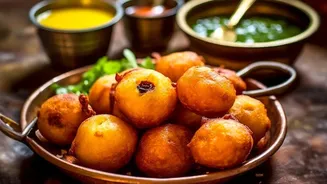
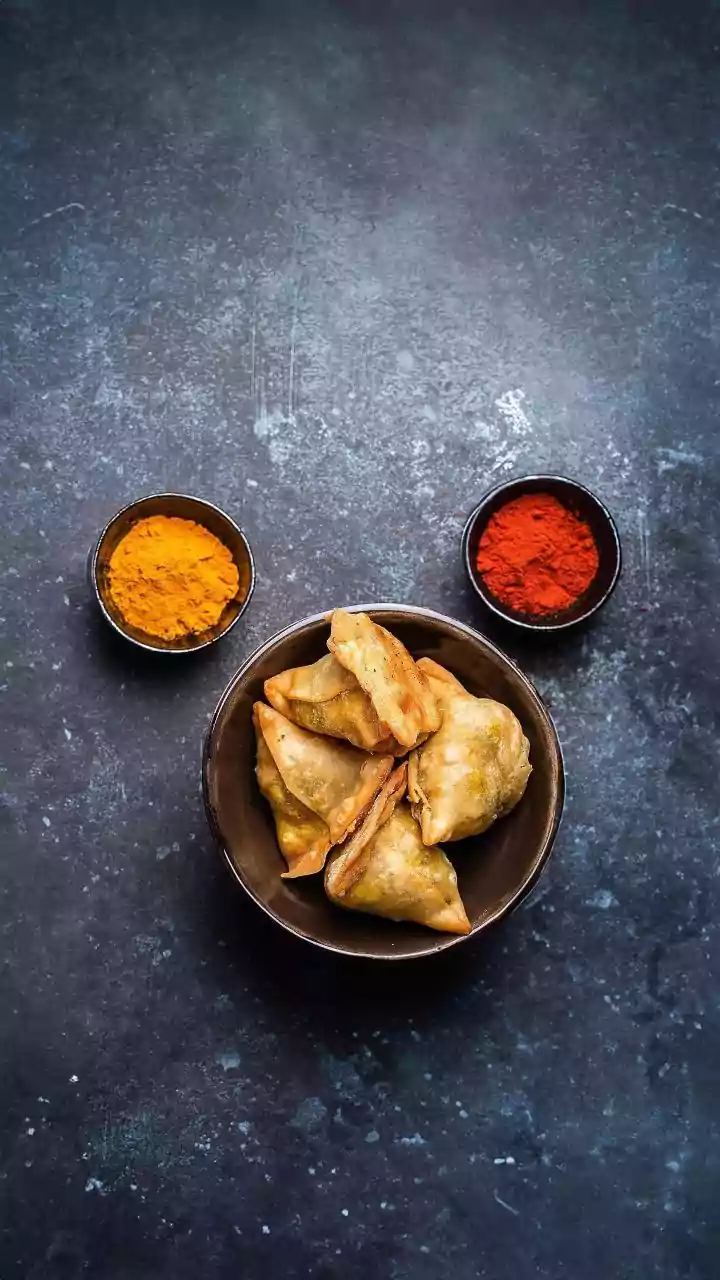
There's a near-Pavlovian response that the Indian monsoon triggers: the sky darkens, the temperature dips, and an almost universal urge for something hot, crispy, and comforting takes hold. This craving for delicacies like pakoras, samosas, and bhajis,
paired with a steaming cup of masala chai, is more than just a habit; it's a cultural ritual. Psychologically, the contrast between the cold, damp weather and a warm, calorie-dense snack is deeply satisfying. Foods fried in hot oil, like pakoras, provide a sensory trifecta of crunch, warmth, and aroma that our brains are wired to find rewarding, especially when the mood might be lowered by a gloomy day. It’s a simple equation: cool rain plus a hot, crunchy snack equals immediate comfort.
Nostalgia is the Secret Ingredient
More than the sensory pleasure, the power of monsoon food lies in its ability to evoke potent memories. For many, the smell of besan sizzling in oil isn't just about food; it's the scent of childhood, of unscheduled school holidays, and of family gathered together while rain drums on the windowpane. These dishes are deeply associated with moments of connection and comfort. Food creators on platforms like Instagram and YouTube have tapped into this powerful emotional current. They aren't just sharing recipes; they are sharing stories and recreating moments that resonate on a massive scale. By framing a simple plate of onion pakoras with a story about their grandmother, they transform a snack into a shared memory, triggering a wave of nostalgic engagement from viewers who see their own experiences reflected.
The Creator's Visual Playbook
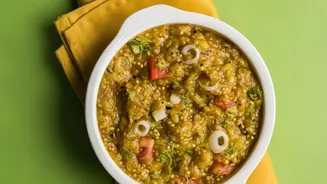
Social media is a visual medium, and monsoon foods are incredibly photogenic. Food creators masterfully use this to their advantage. A slow-motion video of a pakora being dipped into mint chutney, the steam rising from a cup of chai against a rainy window, or the ASMR-like sizzle of batter hitting hot oil—these are the elements of viral content. Creators build a narrative that is both aspirational and deeply relatable. The setting is often a cozy corner of a home, not a professional studio, which enhances the feeling of authenticity. The recipes they share for dishes like roasted bhutta (corn on the cob), masala khichdi, or even air-fried pakoras are often simple, encouraging followers to not just watch, but to participate in the ritual themselves. This interactive loop—where viewers are inspired to cook the dish and share their own versions—is the engine of community and engagement.
Authenticity Over Everything
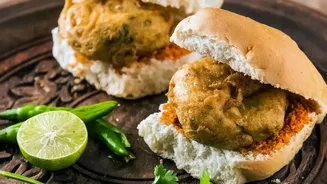
In a digital world saturated with complex, global food trends, the appeal of simple, authentic Indian dishes is stronger than ever. The monsoon food trend highlights a collective yearning for authenticity and a connection to one's roots. While you might see creators making regional variations like Kolkata's telebhaja or Mumbai's vada pav, the core appeal remains the same: it’s honest, unpretentious food. This trend isn’t about perfectly curated, restaurant-style plates. It’s about celebrating the beauty in the everyday, the comfort in the familiar, and the joy in a shared cultural experience. Creators who embrace this authenticity find that their audience responds not just with likes, but with a sense of loyalty and connection. They are not just followers; they become part of a community bonded by the shared love for the simple, profound joy of a rainy day snack.