




The Soul of the Blue Mountains
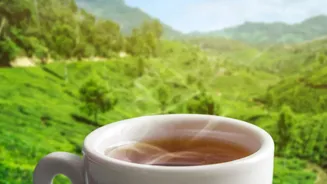
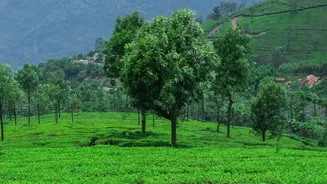
Everything starts with the leaf, and Nilgiri tea is unlike any other in India. Grown at high altitudes, the cool climate and dual monsoons give the leaves a unique character. They are naturally aromatic, brisk, and possess a smooth, well-rounded flavour
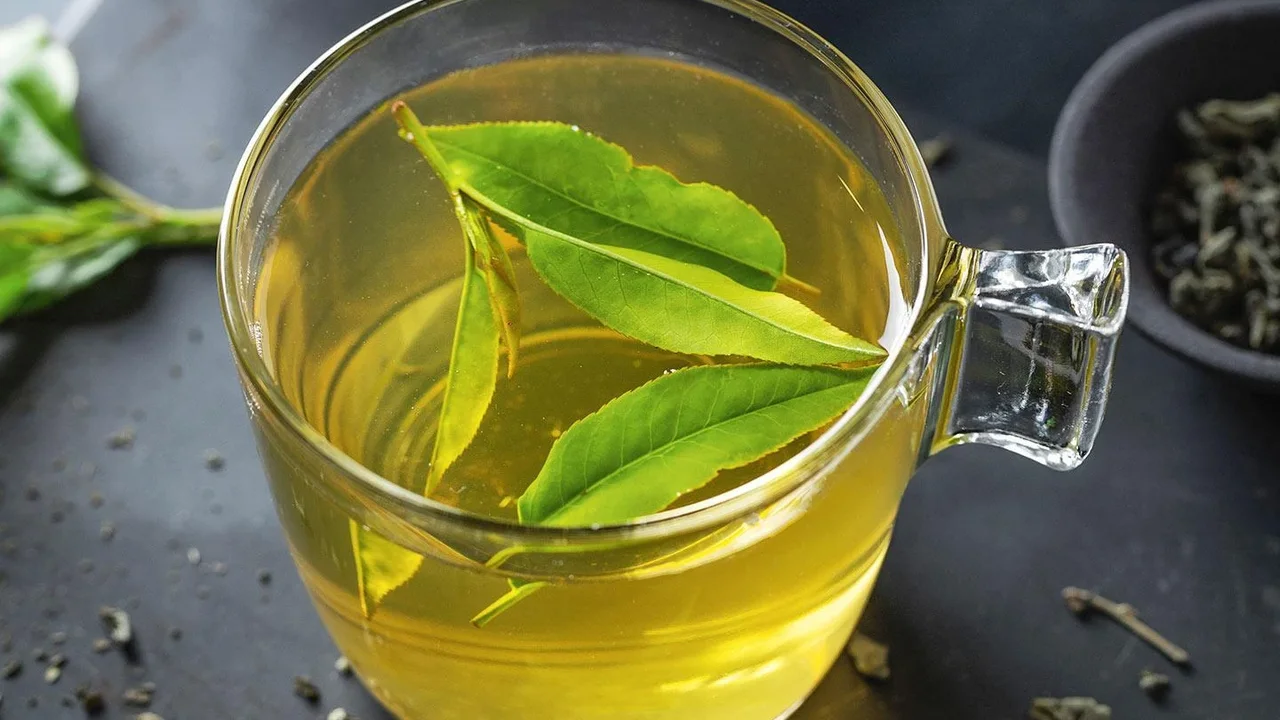
with floral and fruity notes. Critically, Nilgiri tea has lower tannin levels, which means it rarely becomes bitter. This quality makes it an ideal base for infusions, as it complements other flavours without overpowering them. While many Nilgiri estates produce CTC (Crush, Tear, Curl) tea for the mass market, artisanal makers focus on orthodox, whole-leaf production, which preserves the plant's delicate essential oils and complex aromas.
The Art of the Harvest
For a premium brew, the process begins in the garden. Artisanal tea making is about precision and care from the very first step. Plucking is done by hand, with skilled workers selecting only the finest leaves, often the tender new growth that appears after the region's short winter dormancy. This 'first flush' is particularly flavourful, as the plant has concentrated its aromatic compounds during the cooler weather. Unlike mass-produced teas that are harvested mechanically, this selective plucking ensures that only leaves at their peak of flavour make it into the final product, setting the stage for a superior infusion.
The Delicate Dance of Infusion
Creating a fruit-infused tea that is both flavourful and low in sugar is a delicate balancing act. The goal is to capture the essence of the fruit without relying on added sweeteners. The most common method involves using real, dried fruit pieces. Artisans slice fruits like strawberries, peaches, or apples thinly and dry them to concentrate their natural flavours and sugars. This can be done in the sun, in low-temperature ovens, or using freeze-drying techniques. These dried fruits are then blended with the processed Nilgiri tea leaves. When steeped in water, they slowly release their inherent sweetness and aroma, creating a naturally sweet brew without the need for refined sugar.
Balancing Act: Tea and Fruit
The true craft lies in the blending. An artisan tea maker acts like a perfumer, understanding how the bright, citrusy notes of Nilgiri tea will interact with the sweetness of mango or the tartness of raspberry. The skill is in achieving a harmonious final product where neither the tea nor the fruit dominates, but instead, they elevate one another. Some makers might use hibiscus for its deep red colour and tartness, or rosehip to add a gentle floral base. The result is a multi-layered drink. The infusion process itself can also be adapted; a hot brew will extract flavours quickly, while a cold brew, steeped overnight in the refrigerator, results in a smoother, often fruitier, and less acidic beverage.
Why Low Sugar Matters
The focus on low-sugar and natural ingredients is a direct response to a growing desire for healthier beverage options. By using high-quality dried fruits and letting the natural characteristics of the Nilgiri leaves shine, these makers can create a satisfyingly sweet drink without the calories or health drawbacks of sugar-laden iced teas. The natural sweetness comes from the fruit itself, complemented by the tea's inherent smoothness. This approach allows the subtle nuances of both the tea and the fruit to be appreciated, offering a complex and refreshing experience that feels like an indulgence but is fundamentally wholesome.