


Chopta: The Drive to 'Mini Switzerland'
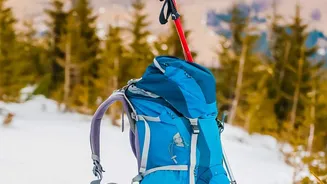
While not a high pass in the traditional sense, the drive to Chopta is arguably one of the most rewarding winter road trips in Uttarakhand. Situated at an altitude of about 2,680 metres, Chopta serves as the base for the trek to Tungnath temple and the Chandrashila
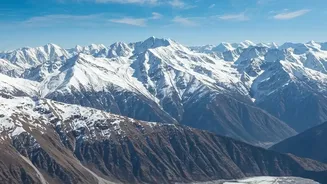
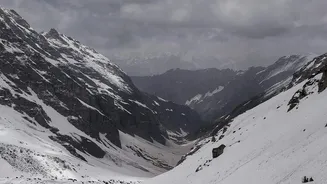
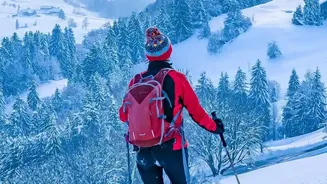
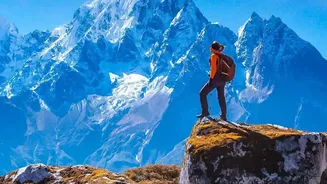
summit. In winter, the meadows here are draped in a thick blanket of snow, earning it the nickname 'Mini Switzerland'. The drive itself, especially the final stretch from Ukhimath, is a journey through dense forests that open up to stunning views of Himalayan giants like Chaukhamba, Kedarnath, and Nanda Devi. The period from December to February is ideal for snow, but be prepared for challenging road conditions. After heavy snowfall, the road might be blocked a few kilometres before Chopta, requiring a short walk on snow to reach the main area. A 4x4 vehicle and an experienced driver are highly recommended.
Auli and Gorson Bugyal: A Viewpoint Above the Clouds
Auli is famous as a premier ski destination, but the drive to Joshimath, its base town, followed by the ropeway or road up to Auli, offers some of the most dramatic mountain scenery in India. From Auli, you are treated to a magnificent, up-close panorama of Nanda Devi, India’s second-highest peak, as well as Trishul and Dronagiri. The views are sharpest during the post-monsoon and winter months. For those willing to drive a little further or take a short trek, the trail towards Gorson Bugyal opens up even wider vistas. While the road to Auli from Joshimath can be closed during heavy snow, the journey is part of the adventure, culminating in views that are worth every effort. The Auli Artificial Lake, one of the world's highest man-made lakes, often freezes in winter, providing a stunning mirror for the peaks.
The Drive Towards Niti Valley: A Journey to the Borderlands
For the truly adventurous, the drive into the Niti Valley from Joshimath offers a raw and remote Himalayan experience. Niti is the last village in this region before the Indo-Tibetan border and the valley was historically part of an ancient trade route. The drive is challenging and requires an Inner Line Permit from the Joshimath administration. The valley is officially accessible from May to October, as it becomes snow-bound and inhospitable in deep winter. However, the early winter window in late October and November can offer incredibly clear skies before heavy snowfall closes the Niti Pass (5,086m) completely. The landscape is starkly beautiful, with the Dhauliganga river carving its way through barren mountains. This journey is not for the faint-hearted and requires robust planning and a reliable vehicle.
Mana Pass: The Ultimate High-Altitude Challenge
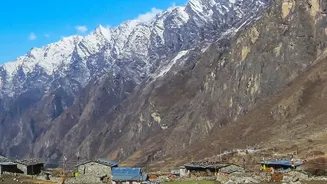
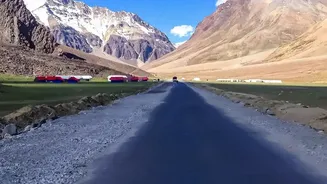
Considered one of the highest motorable passes in the world, Mana Pass stands at a staggering elevation of over 5,600 metres on the Indo-China border. The journey beyond Mana Village—the last village on the Indian side near Badrinath—is an extreme adventure. The road is a rugged dirt track built and maintained by the Border Roads Organisation (BRO). Access to Mana Pass is highly restricted and requires special permits from the military and civil administration in Joshimath, which are not easily granted to civilians. The pass is typically impassable from late October to June due to extreme snow. While reaching the pass itself is a feat reserved for the most determined expeditioners, the drive to Mana Village itself is a phenomenal experience, offering mythological sites like Bhim Pul and Vyas Gufa against a backdrop of towering, snow-dusted peaks.
Safety is Paramount
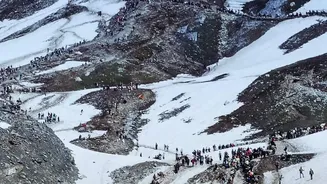
Winter driving in the Himalayas is serious business. Black ice, sudden snowfall, and road closures are common. Recent incidents in high-altitude areas like Adi Kailash have shown that a sudden influx of tourists combined with snowfall can lead to significant traffic jams and stranded vehicles. Always check the latest road status and weather advisories from local authorities before setting out. Ensure your vehicle is in top condition, preferably a 4x4, and carry essentials like snow chains, extra food, water, and warm clothing. It's often wisest to hire a local driver who is experienced with these treacherous yet beautiful roads.